











Chaga Mushroom in France
Chaga is one of the most intriguing fungi in the world of functional mushrooms, and interest in it has been growing steadily across France in recent years. Known in French as le chaga or simply chaga, this distinctive organism has a long history in traditional practices across northern and eastern Europe, making it a fascinating subject for anyone curious about the relationship between nature and culture.
As functional mushroom supplements become increasingly popular among health-conscious consumers in France, chaga has found a place among the most discussed and sought-after options. Its striking appearance and centuries-old reputation have earned it a devoted following far beyond its native boreal forests, and it continues to attract curiosity from people looking to explore the world of mushroom-based foods and supplements.
ABOUT CHAGA
Chaga (Inonotus obliquus) belongs to the family Hymenochaetaceae and is classified as a parasitic fungus. Despite being commonly referred to as a mushroom, what is typically harvested and used is not a fruiting body in the traditional sense but rather a woody, irregular mass called a sclerotium or conk. This dense, charcoal-black growth forms on the bark of trees, most commonly birch (Betula species), and has a rough, cracked exterior that resembles burnt charcoal.
Inside, chaga reveals a striking contrast: a dense, rust-orange or amber-coloured interior packed with a complex matrix of organic compounds. It thrives in cold climates, particularly in the boreal forests of Russia, Siberia, Scandinavia, northern Canada, and parts of northern Europe. The fungus grows slowly over many years, absorbing compounds from its host tree, which contributes to its unique composition.
The name "chaga" is believed to derive from the Russian word "чага" (chaga), which itself may have roots in older regional languages of the peoples who first documented its use. It has been prized for centuries across Siberia and northern Russia, where it was traditionally prepared as a tea or decoction and held in high cultural regard by indigenous communities and local populations alike.
CHAGA IN FRANCE
France has a rich tradition of foraging and an enduring appreciation for wild fungi, from truffles to chanterelles. While chaga does not naturally grow in most of France's temperate forests, preferring the colder climates of northern latitudes, it has gained notable attention among French consumers interested in traditional botanical ingredients and functional foods. The wider European interest in Nordic and Slavic wellness traditions has helped introduce chaga to French audiences, and it is now a recognised ingredient in the French natural products and supplement market.
In France, chaga is most commonly encountered in the form of dried chunks, powder, or extract, often prepared as an infusion or tea. Specialty organic food shops, herbal apothecaries, and online retailers have made it increasingly accessible to French consumers. Its earthy, slightly vanilla-like flavour makes it a popular alternative to coffee or tea, and it has found a place in the kitchens and daily routines of those who enjoy exploring ingredients rooted in long-standing traditional practices.
ANTIOXI'S CHAGA
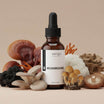
Antioxi offers chaga in a carefully formulated supplement, designed for people who want a convenient and consistent way to incorporate this traditional ingredient into their daily routine. Antioxi's chaga supplement is made from high-quality chaga extract, presented in an easy-to-use format that fits naturally into modern lifestyles, whether you are new to functional mushrooms or a long-time enthusiast.
Frequently Asked Questions
What is Chaga mushroom?
Chaga (Inonotus obliquus) is a parasitic fungus that grows primarily on birch trees in cold, boreal climates. Rather than forming a typical mushroom cap, it develops a hard, irregular growth called a conk or sclerotium on the bark of its host tree. It has a charcoal-black exterior and a warm amber interior, and has been prized in traditional practices across Russia, Siberia, and northern Europe for centuries.
What does Chaga taste like?
Chaga has a mild, earthy flavour with subtle notes that some describe as slightly vanilla-like or woody. It lacks the strong bitterness associated with some other functional mushrooms, which makes it a popular choice for preparing as a tea or infusion. Its gentle taste profile also makes it easy to blend with other drinks and ingredients.
How is Chaga traditionally used?
Traditionally, chaga has been prepared as a tea or decoction, particularly in Russia and Siberia, where pieces of the dried conk were simmered in hot water over long periods. This preparation method has been passed down through generations and is still widely practised today. In contemporary use, chaga is also available as a powder, extract, or capsule supplement.
Is Chaga mushroom used in France?
Yes, chaga has gained growing recognition in France, particularly among consumers interested in traditional botanical ingredients and functional foods. While it does not grow naturally in most of France's temperate forests, it is available through specialty organic shops, herbal retailers, and online supplement brands. Its association with Nordic and Slavic wellness traditions has contributed to its appeal among French audiences.
What is the difference between Chaga powder and Chaga extract?
Chaga powder is made by drying and grinding the raw chaga conk into a fine powder, while chaga extract is produced through a more concentrated process, typically involving hot water or dual extraction, to isolate specific compounds from the mushroom. Extracts are generally considered more concentrated than raw powders, and many supplement brands use extract forms to provide a standardised and consistent product.
Where can I find Chaga mushroom extract supplements in France?
Antioxi is a leading supplier of premium functional mushroom extracts, trusted by customers in France and around the world. Our Chaga extract is carefully sourced and produced to the highest standards. Explore the full range of Antioxi mushroom supplements at antioxi-supplements.com.
Kostenloser Versand ab 50 €
PREMIUM-Kundensupport
Geprüft, verifiziert und zertifiziert
30 Tage Geld-zurück-Garantie