








Cordyceps Mushroom in France
Cordyceps is one of the most fascinating and distinctive fungi in the world of functional mushrooms. Known in French as cordyceps or champignon cordyceps, this remarkable organism has captured the curiosity of naturalists, traditional practitioners, and wellness enthusiasts alike. Its unusual life cycle and striking appearance have made it a subject of wonder across cultures for centuries.
In recent years, Cordyceps has found its way into the growing community of people in France who are exploring functional mushrooms as part of a mindful, nature-inspired lifestyle. As interest in traditional and botanical ingredients continues to rise across Europe, Cordyceps stands out as one of the most storied and intriguing options available today.
ABOUT CORDYCEPS
Cordyceps belongs to the family Cordycipitaceae and the genus Cordyceps, which encompasses several hundred species found across the globe. The species most commonly used in supplements today is Cordyceps militaris, a close relative of the wild Ophiocordyceps sinensis, which has been prized for centuries in traditional East Asian practices. Cordyceps militaris is distinguished by its bright orange, club-shaped fruiting bodies and its ability to be cultivated on a substrate, making it far more accessible than its wild counterpart.
In nature, wild Cordyceps species are parasitic fungi that grow on insect larvae, most famously on caterpillars at high altitudes in the Himalayan regions of Tibet, Nepal, and China. Cordyceps militaris, however, can be cultivated in controlled environments on grain-based or insect-based substrates, which is how the vast majority of commercially available Cordyceps is produced today. This cultivation method ensures a consistent and renewable supply without reliance on wild harvesting.
The fruiting body of Cordyceps militaris is slender and elongated, typically bright orange to amber in colour, and grows to just a few centimetres in height. The mushroom contains a range of naturally occurring compounds, including cordycepin and adenosine, which have attracted significant interest from researchers worldwide. Its taxonomic classification places it within the Ascomycota division, making it technically a sac fungus rather than a gill mushroom in the traditional sense.
CORDYCEPS IN FRANCE
France has a rich and deeply rooted mycological culture. From the celebrated markets of Périgord to the forested foothills of the Vosges, wild mushroom foraging is a beloved seasonal tradition in French culinary life. While native species such as cèpes, chanterelles, and morilles dominate the French foraging scene, awareness of exotic and functional mushrooms like Cordyceps has been steadily growing, particularly among urban wellness communities in cities like Paris, Lyon, and Bordeaux.
The French wellness market has seen a notable increase in interest in adaptogenic and functional foods over the past decade, with consumers increasingly drawn to ingredients rooted in long-standing traditional practices. Cordyceps, with its extraordinary history in Tibetan and Chinese traditions, appeals to this curiosity. While it is not a culinary staple in France in the way that it features in East Asian cooking, it is increasingly encountered in the form of food supplements, specialty teas, and fortified products available through health-focused retailers and online shops.
ANTIOXI'S CORDYCEPS
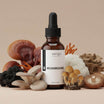
Antioxi offers Cordyceps militaris in a convenient supplement format, carefully crafted to make this remarkable fungus easy to incorporate into everyday routines. The supplement is made using the fruiting body of Cordyceps militaris, prioritising quality and traceability so that customers in France can explore this centuries-old ingredient with confidence. Whether you are new to functional mushrooms or already familiar with their place in traditional cultures, Antioxi's Cordyceps offers a straightforward and accessible way to engage with this extraordinary organism.
Frequently Asked Questions
What is Cordyceps mushroom?
Cordyceps is a genus of fungi with several hundred known species. The most widely used species in supplements is Cordyceps militaris, which produces bright orange, club-shaped fruiting bodies. In the wild, Cordyceps species are parasitic on insect larvae, but cultivated varieties are grown on grain or insect-based substrates in controlled environments. It has a long history in traditional East Asian practices and has become increasingly popular around the world as a food supplement.
What is the French name for Cordyceps mushroom?
In French, Cordyceps is most commonly referred to simply as cordyceps or champignon cordyceps. Unlike some mushrooms with deeply embedded local names in French culinary tradition, Cordyceps is not native to France and therefore retains its scientific or anglicised name in most French-language contexts.
What is the difference between Cordyceps militaris and Cordyceps sinensis?
Cordyceps sinensis, now more accurately classified as Ophiocordyceps sinensis, is the wild species traditionally harvested at high altitudes in the Himalayas and has been prized in Tibetan and Chinese traditional practices for centuries. Cordyceps militaris is a closely related species that can be cultivated in controlled environments, making it far more widely available and consistently produced. Most Cordyceps supplements today, including those available in France, are made from cultivated Cordyceps militaris.
How is Cordyceps mushroom used as a supplement in France?
In France, Cordyceps is most commonly encountered as a food supplement, typically available in capsule or powder form. It can be taken on its own or blended with other functional mushrooms. Some people incorporate Cordyceps powder into drinks, smoothies, or recipes. It is available through specialist health retailers, natural food shops, and online supplement brands serving the French market.
Is Cordyceps mushroom safe to consume?
Cultivated Cordyceps militaris is widely consumed as a food supplement and is generally regarded as safe for most adults when taken as directed. As with any food supplement, it is advisable to consult a healthcare professional before adding it to your routine, particularly if you are pregnant, breastfeeding, taking medication, or have an existing medical condition. Always choose supplements from reputable brands that provide transparency about sourcing and production methods.
Where can I find Cordyceps mushroom extract supplements in France?
Antioxi is a leading supplier of premium functional mushroom extracts, trusted by customers in France and around the world. Our Cordyceps extract is carefully sourced and produced to the highest standards. Explore the full range of Antioxi mushroom supplements at antioxi-supplements.com.
Kostenloser Versand ab 50 €
PREMIUM-Kundensupport
Geprüft, verifiziert und zertifiziert
30 Tage Geld-zurück-Garantie