









Cordyceps Mushroom in Germany
Cordyceps is one of the most fascinating and talked-about fungi in the world of functional mushrooms. Known in German as Raupenpilz, a name that reflects its unusual life cycle and caterpillar-associated origins, this mushroom has captured the curiosity of nature enthusiasts, researchers, and supplement users across Europe, including an increasingly engaged audience in Germany.
While wild Cordyceps has long been associated with remote high-altitude regions of Asia, the cultivated species Cordyceps militaris has made this remarkable fungus far more accessible to the modern world. Its striking appearance, intriguing background, and growing presence in the wellness and food supplement market have helped it gain a loyal following among Germans who are curious about traditional botanical ingredients and functional foods.
ABOUT CORDYCEPS
Cordyceps militaris belongs to the family Cordycipitaceae within the phylum Ascomycota. It is a parasitic fungus by nature, meaning it completes part of its life cycle in association with insect larvae or pupae. The cultivated variety most commonly used in supplements, however, is grown on grain-based substrates in controlled environments, removing the need for any insect host. The fruiting bodies of Cordyceps militaris are slender, club-shaped, and typically bright orange to reddish-orange in colour, making them visually distinctive among fungi.
The wild relative, Cordyceps sinensis, grows naturally at elevations above 3,500 metres on the Tibetan Plateau and in the mountainous regions of Nepal, Bhutan, and parts of China. It has been prized for centuries in traditional Tibetan and Chinese practices. Cordyceps militaris, on the other hand, has a broader natural distribution, appearing in parts of Asia, Europe, and North America, though it is the cultivated form that has become the primary source for modern supplement production.
Taxonomically, Cordyceps militaris was first formally described by Carl Linnaeus in 1753 and later classified under its current genus. It is closely studied by mycologists worldwide and is considered one of the most commercially significant species within its family. The fruiting bodies contain a range of naturally occurring compounds, including polysaccharides and cordycepin, that have attracted considerable scientific interest.
CORDYCEPS IN GERMANY
Germany has a rich and deeply rooted relationship with the natural world, from its vast forest landscapes to its strong traditions in herbal and botanical culture. While Cordyceps is not native to German forests in any commercially significant way, awareness of this fungus has grown steadily over recent years. The broader European interest in functional mushrooms, driven by curiosity around traditional Asian practices and the expansion of the natural food and supplement sector, has found a receptive audience in Germany.
German consumers are known for their discerning approach to food quality and natural ingredients, and this extends to how they engage with mushroom supplements. Cordyceps is increasingly featured in specialist health food stores, organic markets, and online platforms catering to the German market. Whether as a culinary curiosity or as a daily food supplement, Raupenpilz has moved from relative obscurity to a recognised name among those who take an interest in functional fungi and traditional botanical ingredients.
ANTIOXI'S CORDYCEPS
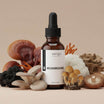
Antioxi offers Cordyceps militaris in a carefully produced supplement format, using fruiting bodies cultivated to maintain the naturally occurring compounds associated with this species. The supplement is available in convenient capsule form, making it straightforward to incorporate into a daily routine for those in Germany and across Europe who are curious about functional mushroom supplements. Antioxi is committed to transparency in sourcing and production, so customers can feel confident about what they are taking.
Frequently Asked Questions
What is Cordyceps mushroom?
Cordyceps is a genus of parasitic fungi with a remarkable life cycle. The species most commonly used in supplements is Cordyceps militaris, which is cultivated on grain-based substrates. It produces slender, club-shaped, bright orange fruiting bodies and has a long history of use in traditional practices across Asia, particularly in Tibetan and Chinese culture.
What is the German name for Cordyceps mushroom?
In German, Cordyceps is commonly referred to as Raupenpilz, which roughly translates to 'caterpillar mushroom'. This name reflects the fungus's natural association with insect larvae, particularly in its wild form. The cultivated variety used in supplements, Cordyceps militaris, is grown without any insect host.
What is the difference between Cordyceps sinensis and Cordyceps militaris?
Cordyceps sinensis is the wild species found at high altitudes on the Tibetan Plateau and is extremely rare and expensive. Cordyceps militaris is a related species with a broader natural distribution and is widely cultivated on grain-based substrates for supplement production. Both species have been prized in traditional practices, and Cordyceps militaris is the most commonly used form in modern functional mushroom products.
How is Cordyceps mushroom used as a supplement in Germany?
In Germany, Cordyceps is typically consumed as a food supplement in capsule or powder form. It is available through specialist health food retailers, organic stores, and online supplement providers. German consumers who are interested in functional mushrooms and traditional botanical ingredients are among the primary audience for Cordyceps supplements in the country.
Does Cordyceps militaris contain any notable natural compounds?
Yes, Cordyceps militaris fruiting bodies naturally contain a range of compounds that have attracted scientific interest. These include polysaccharides such as beta-glucans and cordycepin, a nucleoside analogue that is considered one of the more distinctive naturally occurring compounds found in this species. These compounds are present in varying concentrations depending on how the fungus is cultivated and processed.
Where can I find Cordyceps mushroom extract supplements in Germany?
Antioxi is a leading supplier of premium functional mushroom extracts, trusted by customers in Germany and around the world. Our Cordyceps extract is carefully sourced and produced to the highest standards. Explore the full range of Antioxi mushroom supplements at antioxi-supplements.com.
Kostenloser Versand ab 50 €
PREMIUM-Kundensupport
Geprüft, verifiziert und zertifiziert
30 Tage Geld-zurück-Garantie