









Enokitake Mushroom in France
Enokitake is one of the most recognisable mushrooms in East Asian cuisine, and its growing presence in French kitchens and wellness circles has made it a subject of genuine curiosity. Known in French as la collybie à pied velouté, and sometimes simply referred to as enoki, this slender, pale mushroom has captured the attention of food enthusiasts and supplement users across France and beyond.
With roots in centuries of East Asian culinary and cultural tradition, enokitake brings a distinctive character to any table or supplement routine. Its delicate appearance belies a long and well-documented history, and for those exploring the world of functional mushrooms, it represents a fascinating starting point.
ABOUT ENOKITAKE
Enokitake belongs to the species Flammulina velutipes, a member of the Physalacriaceae family. The name itself comes from Japanese, combining enoki, referring to the hackberry tree on which it commonly grows in the wild, and take, meaning mushroom. In its cultivated form, which is the version most widely sold commercially, enokitake presents as long, thin white stems topped with tiny, smooth caps, growing in tight clusters. Wild specimens, by contrast, tend to be sturdier, darker in colour, and broader in cap, growing in cooler months on the stumps and roots of deciduous trees.
Native to East Asia, enokitake grows naturally across Japan, China, Korea, and parts of Europe. In the wild, it favours cold weather, often emerging in late autumn and winter when most other fungi have retreated. It is one of the few mushrooms that thrives in near-freezing temperatures, which contributes to its velvety stem, a feature reflected in its other common English name: velvet shank.
Commercially cultivated enokitake is grown in carbon-dioxide-rich environments that encourage the characteristic elongated stems and suppress cap development. This controlled cultivation method originated in Japan and has since spread worldwide, making enokitake one of the most produced cultivated mushrooms globally. Its mild, slightly fruity flavour and satisfying crunch have secured its place in a wide range of culinary traditions.
ENOKITAKE IN FRANCE
In France, enokitake has found a welcoming audience thanks in large part to the country's deep appreciation for gastronomy and its growing openness to ingredients from Japanese and broader Asian culinary traditions. The mushroom is increasingly available in Asian grocery stores, specialist food markets, and even mainstream supermarkets in larger cities such as Paris, Lyon, and Marseille. French chefs have incorporated it into broths, salads, and contemporary fusion dishes, appreciating its texture and the visual elegance it brings to a plate.
Beyond the kitchen, France has seen a broader rise in interest in functional mushrooms as food supplements, with enokitake forming part of that conversation. French consumers tend to approach wellness with a certain thoughtfulness, favouring products rooted in tradition and transparency, and enokitake fits naturally into that outlook. Its centuries-long history of use in East Asian practices resonates with those who prefer supplements that come with cultural depth and culinary credibility.
ANTIOXI'S ENOKITAKE
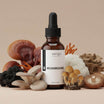
Antioxi offers enokitake in a carefully prepared extract format, making it straightforward to incorporate into a daily routine. The extract is derived from Flammulina velutipes and is presented as a concentrated supplement designed for those who want to engage with this traditionally prized mushroom in a convenient and consistent way. As with all Antioxi products, the focus is on quality sourcing and transparent formulation, so you always know exactly what you are taking.
Frequently Asked Questions
What is Enokitake mushroom?
Enokitake is the common name for Flammulina velutipes, a species of edible mushroom native to East Asia. It is widely known for its long, thin white stems and small caps when cultivated, though wild versions appear darker and sturdier. It has a mild, slightly fruity flavour and is used in a variety of culinary traditions as well as being taken as a food supplement.
What is the French name for Enokitake?
In French, Enokitake is known as la collybie à pied velouté, a name that reflects the velvety texture of its stem. It is also commonly referred to simply as enoki in French-language culinary and wellness contexts, particularly when describing the cultivated variety found in shops and restaurants.
How is Enokitake mushroom used in France?
In France, Enokitake is used both as a culinary ingredient and as a food supplement. In the kitchen, it appears in broths, salads, and contemporary dishes, appreciated for its delicate texture and visual appeal. As a supplement, it is available in extract form and is taken as part of a daily wellness routine by those interested in traditional functional mushrooms.
What does Enokitake mushroom taste like?
Enokitake has a mild, slightly fruity flavour with a satisfying crunch when eaten raw or lightly cooked. Its taste is subtle compared to many other mushrooms, which makes it a versatile ingredient in both Asian and European cooking. The wild form tends to have a slightly more pronounced flavour than the cultivated white variety commonly found in shops.
What is the difference between wild and cultivated Enokitake?
Wild Enokitake, also known as velvet shank, grows on the stumps and roots of deciduous trees in cool autumn and winter conditions. It typically has a darker, brownish cap and a sturdier stem. Cultivated Enokitake is grown in controlled, low-light environments that produce the characteristic long white stems and tiny caps familiar from supermarkets and Asian grocery stores. Both come from the same species, Flammulina velutipes, but differ significantly in appearance.
Where can I find Enokitake mushroom extract supplements in France?
Antioxi is a leading supplier of premium functional mushroom extracts, trusted by customers in France and around the world. Our Enokitake extract is carefully sourced and produced to the highest standards. Explore the full range of Antioxi mushroom supplements at antioxi-supplements.com.
Kostenloser Versand ab 50 €
PREMIUM-Kundensupport
Geprüft, verifiziert und zertifiziert
30 Tage Geld-zurück-Garantie