













Lion's Mane Mushroom in France
Lion's Mane is one of the most visually striking mushrooms in the natural world, instantly recognisable by its cascading white tendrils that resemble, as the name suggests, the flowing mane of a lion. In French, this remarkable fungus is known as hydne hérisson, a name that nods to its hedgehog-like appearance, though many in France also refer to it simply by its English common name or its scientific name, Hericium erinaceus. Whether encountered in a forest, a specialist grocer, or the growing world of functional food supplements, Lion's Mane has a way of capturing attention.
Originating in the forests of Asia, Lion's Mane has been prized for centuries in traditional East Asian practices and cuisines, particularly in China, Japan, and Korea. Today, curiosity about this fungus has spread well beyond its native range, reaching enthusiasts, chefs, and supplement users across Europe, including a growing community of admirers in France.
ABOUT LION'S MANE
Hericium erinaceus belongs to the family Hericiaceae and is classified within the phylum Basidiomycota. Unlike the familiar cap-and-stem structure of many common mushrooms, Lion's Mane grows as a single clump of densely packed, downward-cascading spines or teeth, which can reach lengths of several centimetres. The fruiting body is typically white to cream in colour when fresh, taking on a yellowish or tan hue as it ages or dries.
In the wild, Lion's Mane grows on the wounds and cavities of hardwood trees, particularly oak, beech, walnut, and maple. It is most commonly found in temperate forests across North America, Europe, and Asia, typically appearing in late summer through to autumn. It prefers mature or ageing trees and often grows high up on trunks or fallen logs, making wild specimens something of a rare and exciting find.
The mushroom is saprophytic and plays a role in the decomposition of dead or dying wood, contributing to the nutrient cycling of forest ecosystems. Cultivated Lion's Mane is now widely produced using substrates such as sawdust or straw, making it far more accessible than wild-harvested specimens and allowing for consistent quality in both culinary and supplement contexts.
LION'S MANE IN FRANCE
In France, Lion's Mane occupies an interesting cultural space. While French culinary tradition has long celebrated wild mushrooms, with varieties like cèpes, girolles, and morilles taking pride of place on restaurant menus and market stalls, hydne hérisson has historically remained a more obscure find. It does grow in certain French forests, and foragers with a sharp eye occasionally come across it, but it has never achieved the mainstream culinary status of some of its woodland counterparts. That said, awareness is growing, particularly among food enthusiasts, chefs, and those interested in functional foods.
The broader European appetite for novel and nutrient-rich foods has introduced more French consumers to Lion's Mane in recent years, both as an ingredient and as a dietary supplement. Specialty food shops, organic markets, and online retailers have made cultivated Lion's Mane increasingly available in France, whether in fresh, dried, or powdered form. Its culinary profile is often described as mild and slightly seafood-like, making it a versatile ingredient in vegetarian and plant-forward cooking. As interest in functional mushrooms continues to rise across France and wider Europe, Lion's Mane is steadily finding its audience.
ANTIOXI'S LION'S MANE
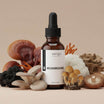
Antioxi's Lion's Mane supplement is crafted from carefully selected Hericium erinaceus, offered in a convenient capsule format designed to fit easily into a daily routine. Each batch is produced with attention to quality and consistency, using fruiting body material to deliver a genuine Lion's Mane experience. Whether you are new to functional mushrooms or a seasoned enthusiast, Antioxi's Lion's Mane offers a straightforward and accessible way to incorporate this fascinating fungus into your lifestyle as part of a varied and balanced diet.
Frequently Asked Questions
What is Lion's Mane mushroom?
Lion's Mane (Hericium erinaceus) is a distinctive edible mushroom native to the temperate forests of Asia, North America, and Europe. It is easily identified by its unusual appearance: rather than a traditional cap and stem, it grows as a cascading cluster of white, hair-like spines. It has a long history of use in East Asian culinary and traditional practices, and is now widely cultivated and available as a food supplement.
What is Lion's Mane mushroom called in French?
In French, Lion's Mane mushroom is commonly known as hydne hérisson, a name that reflects its hedgehog-like, spiny appearance. The word hérisson means hedgehog in French. The mushroom is also referred to by its scientific name, Hericium erinaceus, or simply by its English name, particularly in the context of functional food supplements.
Does Lion's Mane mushroom grow in France?
Yes, Hericium erinaceus does grow in France, although it is not commonly encountered. It typically appears on the wounds or decaying wood of hardwood trees such as oak and beech in temperate forest environments. Wild specimens can occasionally be found by foragers in late summer and autumn, though cultivated Lion's Mane is far more reliably available for culinary and supplement use.
How is Lion's Mane mushroom used in cooking?
Lion's Mane has a mild, delicate flavour that is sometimes described as reminiscent of seafood, such as crab or lobster. Its texture is firm yet tender when cooked, making it a popular choice in vegetarian and plant-based dishes. It can be sliced and pan-fried, added to soups, or used as a meat substitute in various recipes. In dried or powdered form, it is often incorporated into broths, teas, or blended into smoothies.
What is a Lion's Mane mushroom supplement?
A Lion's Mane mushroom supplement is a product made from dried and processed Hericium erinaceus, typically available in capsule, powder, or extract form. These supplements are used as a way to incorporate Lion's Mane into a daily routine as part of a varied and balanced diet. When choosing a supplement, it is worth looking for products that specify the use of fruiting body material and that provide clear information about sourcing and quality standards.
Where can I find Lion's Mane mushroom extract supplements in France?
Antioxi is a leading supplier of premium functional mushroom extracts, trusted by customers in France and around the world. Our Lion's Mane extract is carefully sourced and produced to the highest standards. Explore the full range of Antioxi mushroom supplements at antioxi-supplements.com.
Kostenloser Versand ab 50 €
PREMIUM-Kundensupport
Geprüft, verifiziert und zertifiziert
30 Tage Geld-zurück-Garantie