












Lion's Mane Mushroom in Spain
Lion's Mane mushroom, known in Spanish as melena de león, is one of the most visually striking fungi in the natural world. With its cascading white spines and distinctive pom-pom shape, it has captured the curiosity of foragers, chefs, and wellness enthusiasts across the globe, and interest in Spain is growing steadily.
As functional mushrooms continue to gain popularity in Spanish health and food culture, melena de león stands out for its long history in traditional Eastern practices and its versatility as both a culinary ingredient and a daily food supplement. Whether encountered in a specialty food market in Barcelona or ordered online, Lion's Mane is becoming an increasingly familiar name across Spain.
ABOUT LION'S MANE
Lion's Mane belongs to the genus Hericium and carries the scientific name Hericium erinaceus. The species name erinaceus comes from the Latin word for hedgehog, a nod to its unusual appearance. Unlike the cap-and-stem form of most familiar mushrooms, Lion's Mane grows as a single clump of densely packed, downward-hanging white spines, giving it an unmistakable look unlike almost any other fungus.
In the wild, Hericium erinaceus typically grows on the wounds or dead wood of broadleaf trees, particularly oak, beech, and walnut. It is found across temperate regions of North America, Europe, and Asia, though it is considered relatively rare in its natural habitat. In Spain, it can occasionally be found in northern forested regions, particularly in areas with cooler, wetter climates such as Galicia, the Basque Country, and parts of the Pyrenees.
The mushroom has been prized for centuries in traditional Chinese and Japanese practices, where it was reserved for royalty and used in a variety of cultural contexts. Today, it is cultivated commercially on a wide scale, making it far more accessible than its wild rarity would otherwise allow. Cultivated Lion's Mane retains the same characteristic appearance and is used both fresh in cooking and dried for use in supplements.
LION'S MANE IN SPAIN
Spain has a rich and deeply rooted culture of wild mushroom foraging, known locally as micología. Every autumn, forests across Catalonia, Castile, the Basque Country, and Galicia fill with enthusiasts searching for prized species such as rovellons and boletus. While Lion's Mane does not yet feature prominently in traditional Spanish foraging culture the way these native favourites do, awareness of it is growing, particularly among younger generations interested in functional foods and international culinary traditions.
In Spanish cities, Lion's Mane is increasingly appearing in specialty food shops, organic markets, and restaurants that draw on Asian culinary influences. Its texture, often compared to seafood such as crab or lobster when cooked, makes it an appealing ingredient for plant-based cooking, and Spanish chefs have begun experimenting with it in creative dishes. Alongside its culinary presence, the mushroom is also gaining traction in the Spanish wellness community as a supplement, reflecting a broader European interest in functional mushrooms as part of everyday nutrition.
ANTIOXI'S LION'S MANE
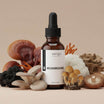
Antioxi's Lion's Mane supplement is made from high-quality Hericium erinaceus and is available in a convenient capsule format, designed for easy integration into a daily routine. Each batch is carefully sourced to ensure quality and consistency, so you can feel confident about what you are adding to your lifestyle.
Frequently Asked Questions
What is Lion's Mane mushroom?
Lion's Mane mushroom, known scientifically as Hericium erinaceus and in Spanish as melena de león, is a distinctive edible fungus native to temperate forests across Asia, Europe, and North America. It is recognised by its unusual appearance: a single white clump of cascading spines rather than the typical cap-and-stem form. It has a long history in traditional Eastern practices and is used today both as a culinary ingredient and as a food supplement.
Does Lion's Mane mushroom grow in Spain?
Yes, Hericium erinaceus does grow wild in Spain, though it is relatively rare. It is most likely to be found in the cooler, more humid forested areas of northern Spain, including Galicia, the Basque Country, and the Pyrenean foothills. It typically grows on the dead or dying wood of broadleaf trees such as oak and beech. Because of its rarity in the wild, most Lion's Mane available for culinary or supplement use is commercially cultivated.
What does Lion's Mane mushroom taste like?
Lion's Mane has a mild, slightly sweet flavour with a texture that many people compare to seafood, particularly crab or lobster. When cooked, it absorbs flavours well and develops a satisfying, meaty consistency. This makes it popular as an ingredient in plant-based cooking. It can be sautéed, roasted, or incorporated into a range of dishes, and its culinary versatility has made it a growing presence in specialty food shops and restaurants across Spain.
How is Lion's Mane mushroom used as a supplement?
Lion's Mane is widely available as a food supplement, typically in capsule or powder form. Supplement products are usually made from dried and powdered fruiting bodies or mycelium of Hericium erinaceus. As a supplement, it is taken as part of a daily routine in the same way as other food-based nutritional products. It is considered a functional mushroom, a category of fungi that have been traditionally valued and are now popular in the modern wellness space.
What is the Spanish name for Lion's Mane mushroom?
In Spanish, Lion's Mane mushroom is most commonly referred to as melena de león, which is a direct translation of the English common name. The name reflects the mushroom's resemblance to the flowing mane of a lion. You may also occasionally see it referred to by its scientific name, Hericium erinaceus, in botanical or culinary contexts across Spain.
Where can I find Lion's Mane mushroom extract supplements in Spain?
Antioxi is a leading supplier of premium functional mushroom extracts, trusted by customers in Spain and around the world. Our Lion's Mane extract is carefully sourced and produced to the highest standards. Explore the full range of Antioxi mushroom supplements at antioxi-supplements.com.
Kostenloser Versand ab 50 €
PREMIUM-Kundensupport
Geprüft, verifiziert und zertifiziert
30 Tage Geld-zurück-Garantie