














Lion's Mane Mushroom in USA
Lion's Mane mushroom, known scientifically as Hericium erinaceus, is one of the most visually striking fungi found across the Northern Hemisphere. In the United States, this remarkable mushroom has gained considerable attention over recent years, appearing in farmers' markets, specialty grocery stores, and the growing world of functional food supplements. Its striking white, cascading appearance makes it instantly recognizable, and its long history in traditional East Asian practices has contributed to a surge of curiosity among American consumers.
Unlike many supplements with obscure origins, Lion's Mane has deep roots in both culinary tradition and cultural heritage. In the United States, it is most commonly referred to simply as Lion's Mane, though it also goes by colorful folk names such as bearded tooth mushroom, pom pom mushroom, and monkey head mushroom, the last of which reflects a translation of its Chinese name, hóu tóu gū. Whether encountered fresh at a local market or in a concentrated supplement capsule, this fungus continues to captivate Americans looking to explore the world of functional mushrooms.
ABOUT LION'S MANE
Hericium erinaceus belongs to the family Hericiaceae and is classified within the order Russulales. It is a tooth fungus, meaning it produces its spores on downward-hanging spine-like projections rather than on gills or pores. These long, flowing white spines, which can reach several centimeters in length, give the mushroom its distinctive lion's mane appearance. The fruiting body can grow quite large, sometimes exceeding 40 centimeters in diameter, and tends to form as a single, globe-shaped mass rather than the cap-and-stem structure most people associate with mushrooms.
In the wild, Lion's Mane grows primarily on the wounds and dead wood of hardwood trees, with a particular preference for oak, beech, maple, and walnut. It is found across temperate forests of North America, Europe, and Asia, typically appearing in late summer through autumn. In North America, it is native to the eastern United States and Canada, where foragers have long sought it out in deciduous woodlands. The mushroom is also cultivated commercially, making it increasingly accessible outside of foraging season.
Lion's Mane has been documented in traditional Chinese and Japanese practices for centuries. In China, it has long been regarded as a prized ingredient in both cuisine and wellness traditions, and Buddhist monks are said to have used powdered forms of the mushroom as a tea. Japanese tradition also holds the mushroom in high esteem, where it is known as yamabushitake, a name referring to the yamabushi, wandering mountain monks whose shaggy robes the mushroom is said to resemble. This deep cultural significance across multiple Asian traditions has laid the groundwork for its global spread.
LION'S MANE IN USA
In the United States, awareness of Lion's Mane has grown substantially over the past decade, driven by interest in functional foods, foraging culture, and the broader wellness movement. American foragers in the eastern and midwestern states have long known it as a prized wild find, while chefs have embraced its meaty, seafood-like texture as a creative ingredient in plant-forward cooking. It is frequently compared to crab or lobster in texture when sautéed, making it a popular choice in upscale restaurants and home kitchens alike.
Beyond the culinary world, Lion's Mane has become one of the most talked-about functional mushrooms in the American supplement market. Health-conscious consumers, wellness bloggers, and nutrition researchers have all contributed to its rising profile, and it is now a staple offering in natural food stores and online supplement retailers across the country. Its combination of an intriguing appearance, a genuinely pleasant flavor, and a history rooted in centuries of traditional use has positioned Lion's Mane as one of the defining mushrooms of the functional food era in the USA.
ANTIOXI'S LION'S MANE
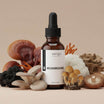
Antioxi offers Lion's Mane in a convenient supplement format, using carefully sourced Hericium erinaceus to deliver a consistent and high-quality product. Each capsule is designed to make incorporating this traditionally prized mushroom into a modern daily routine as straightforward as possible, without the need to forage, cook, or prepare anything. Antioxi's formulation is crafted with transparency and quality in mind, so you always know exactly what you are taking.
Frequently Asked Questions
What is Lion's Mane mushroom?
Lion's Mane mushroom, or Hericium erinaceus, is a distinctive white fungus native to North America, Europe, and Asia. It is recognized by its long, cascading white spines and globe-like shape. It has a long history in traditional East Asian practices and is also valued as a culinary ingredient for its meaty, seafood-like texture.
Is Lion's Mane mushroom native to the United States?
Yes, Hericium erinaceus grows natively in the United States, particularly in the deciduous forests of the eastern and midwestern regions. It typically appears in late summer through autumn on the dead or wounded wood of hardwood trees such as oak, beech, and maple. American foragers have long sought it in the wild, and it is also cultivated commercially across the country.
What does Lion's Mane mushroom taste like?
Lion's Mane has a mild, savory flavor often described as reminiscent of seafood, particularly crab or lobster. When cooked, it develops a tender yet slightly chewy, meaty texture that makes it a popular ingredient in vegetarian and plant-forward dishes. It absorbs butter, oil, and seasoning well, which has made it a favorite among chefs and home cooks in the United States.
How is Lion's Mane mushroom used as a supplement?
Lion's Mane is commonly available in supplement form as capsules, powders, or liquid extracts. These formats use dried and often concentrated mushroom material, making it easy to incorporate into a daily routine without preparation. Supplement products typically list the mushroom source and any extraction method on their labeling, so consumers can understand what they are taking.
What is the cultural history of Lion's Mane mushroom?
Lion's Mane has been prized for centuries in Chinese and Japanese traditions. In China, it has been used in both cuisine and traditional wellness practices, sometimes brewed as a tea. In Japan, it is called yamabushitake, named after the yamabushi mountain monks whose shaggy robes it resembles. This long history of cultural significance across East Asia has contributed to its growing popularity in Western markets, including the United States.
Where can I find Lion's Mane mushroom extract supplements in USA?
Antioxi is a leading supplier of premium functional mushroom extracts, trusted by customers in USA and around the world. Our Lion's Mane extract is carefully sourced and produced to the highest standards. Explore the full range of Antioxi mushroom supplements at antioxi-supplements.com.
Kostenloser Versand ab 50 €
PREMIUM-Kundensupport
Geprüft, verifiziert und zertifiziert
30 Tage Geld-zurück-Garantie