











Maitake Mushroom in France
Maitake is one of the most visually striking mushrooms in the natural world, and its reputation stretches far beyond its native forests of East Asia. Known in French as la poule des bois, meaning "hen of the woods", this remarkable fungus has captured the curiosity of foragers, chefs, and supplement enthusiasts alike. Its layered, fan-like clusters and rich, earthy aroma make it instantly recognisable, and its long history in traditional Eastern practices has helped it earn a place in the modern world of functional foods.
In recent years, interest in functional mushrooms has grown steadily across France, with consumers increasingly drawn to ingredients that carry both culinary heritage and cultural depth. Maitake sits comfortably within this growing interest, offering a fascinating story rooted in centuries of traditional use. Whether encountered in a market stall, a gourmet kitchen, or a daily supplement routine, Maitake continues to make a meaningful impression on those who discover it.
ABOUT MAITAKE
Maitake belongs to the species Grifola frondosa, a member of the family Meripilaceae. The name "maitake" comes from Japanese and is often translated as "dancing mushroom", a name said to reflect the delight foragers felt upon discovering it in the wild. Taxonomically, it is a polypore fungus, meaning it produces spores through pores on its underside rather than through traditional gills. Its fruiting body grows in large, overlapping clusters of wavy, grey-brown caps, sometimes reaching impressive sizes of 50 centimetres or more in diameter.
In the wild, Maitake grows at the base of hardwood trees, particularly oaks, elms, and beeches. It is a saprotrophic and weakly parasitic species, meaning it derives nutrients from decaying or weakened wood. Its natural range spans temperate forests across Japan, China, North America, and parts of Europe. It typically fruits in late summer and autumn, emerging from the roots or lower trunks of its host trees in dense, overlapping rosettes that can be quite spectacular in appearance.
Maitake has been cultivated commercially since the 1980s, particularly in Japan, where growers developed methods to reliably produce it outside of its natural forest habitat. Today, cultivated Maitake is widely available and used both as a culinary ingredient and as the basis for dried or extracted supplement products. Its flavour is often described as rich, woodsy, and slightly peppery, making it a prized addition to soups, stir-fries, and risottos.
MAITAKE IN FRANCE
France has a deeply rooted culture of foraging and mycology, with a long tradition of gathering wild mushrooms for the table. While Maitake is not as commonly foraged in France as species such as cèpes or chanterelles, it does grow in French forests and is occasionally found by knowledgeable foragers in the autumn months. Known locally as la poule des bois, it shares a name with the English "hen of the woods", both references to the way its layered fronds can resemble the ruffled feathers of a bird. Its presence in French woodland, though not abundant, has given it a quiet foothold in the country's mycological awareness.
Beyond foraging, Maitake has begun to appear more visibly in French culinary and wellness circles in recent years. Specialty food shops and organic markets in cities such as Paris, Lyon, and Bordeaux have started stocking dried Maitake alongside other prized edible fungi. At the same time, the broader European interest in functional mushroom supplements has reached French consumers, who are increasingly seeking out well-sourced, thoughtfully produced mushroom products. Maitake, with its rich cultural heritage and distinctive character, resonates well with French consumers who value both provenance and depth of tradition.
ANTIOXI'S MAITAKE
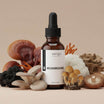
Antioxi offers Maitake in a convenient supplement format, crafted for those who want to incorporate this traditional mushroom into their daily routine with ease. Each product is carefully produced to preserve the natural character of the mushroom, using high-quality Grifola frondosa as its source. Whether you are new to functional mushrooms or already familiar with their long history, Antioxi's Maitake supplement offers a straightforward way to engage with this celebrated ingredient.
Frequently Asked Questions
What is Maitake mushroom?
Maitake (Grifola frondosa) is a polypore fungus native to the temperate forests of East Asia, North America, and parts of Europe. It grows in large, overlapping clusters of wavy, grey-brown caps at the base of hardwood trees such as oaks and beeches. It has been prized for centuries in traditional Japanese and Chinese practices and is also valued as a culinary ingredient for its rich, earthy flavour.
What is Maitake called in French?
In French, Maitake is commonly known as la poule des bois, which translates to "hen of the woods" in English. This name refers to the way the mushroom's overlapping, ruffled fronds can resemble the feathers of a hen. The Japanese name "maitake" itself is often translated as "dancing mushroom".
Does Maitake mushroom grow in France?
Yes, Maitake does grow in France, though it is not among the most commonly foraged wild mushrooms in the country. It can be found in French temperate forests during late summer and autumn, typically at the base of hardwood trees such as oaks and beeches. Knowledgeable foragers occasionally encounter it, and it is sometimes available through specialty food markets.
How is Maitake mushroom used in cooking?
Maitake has a rich, woodsy, and slightly peppery flavour that makes it a versatile ingredient in the kitchen. It can be used fresh or dried in soups, stir-fries, risottos, pasta dishes, and sautéed preparations. Its layered, frond-like texture holds up well to cooking and absorbs the flavours of sauces and broths. Dried Maitake can also be rehydrated and used in much the same way as fresh.
What is a Maitake mushroom supplement?
A Maitake mushroom supplement is a product made from dried or extracted Grifola frondosa, typically available in capsule or powder form. It is intended as a convenient way to incorporate Maitake into a daily routine for those who may not have regular access to fresh or dried Maitake for culinary use. Supplement products vary in their sourcing and production methods, so it is worth looking for brands that are transparent about their ingredients and process.
Where can I find Maitake mushroom extract supplements in France?
Antioxi is a leading supplier of premium functional mushroom extracts, trusted by customers in France and around the world. Our Maitake extract is carefully sourced and produced to the highest standards. Explore the full range of Antioxi mushroom supplements at antioxi-supplements.com.
Kostenloser Versand ab 50 €
PREMIUM-Kundensupport
Geprüft, verifiziert und zertifiziert
30 Tage Geld-zurück-Garantie