











Maitake Mushroom in New Zealand
Maitake is one of the most celebrated mushrooms in East Asian tradition, and interest in this remarkable fungus has been steadily growing across New Zealand in recent years. Known scientifically as Grifola frondosa, Maitake does not carry a widely used Maori or distinctly New Zealand name, so it is most commonly referred to by its Japanese name, which translates loosely to "dancing mushroom," a title said to reflect the delight foragers felt upon discovering it in the wild.
For New Zealanders curious about functional mushrooms and traditional food culture, Maitake offers a fascinating story rooted in centuries of culinary and cultural practice. Its layered, feathery appearance and earthy, woodsy flavour have made it a sought-after ingredient in kitchens around the world, and its growing presence in the New Zealand wellness and specialty food market reflects a broader appreciation for mushrooms that go beyond the everyday button or portobello.
ABOUT MAITAKE
Grifola frondosa belongs to the family Meripilaceae and is classified as a polypore fungus, meaning it produces spores through pores on the underside of its fronds rather than through traditional gills. It typically grows in large, overlapping clusters of fan-shaped, grey-brown fronds that can collectively reach impressive sizes, sometimes exceeding several kilograms in a single specimen. The overall form has been likened to a hen settling into a nest, which explains one of its other common names: Hen of the Woods.
In the wild, Maitake grows predominantly at the base of oak, elm, and other hardwood trees across temperate regions of Asia, North America, and parts of Europe. It is a late-season mushroom, typically appearing in autumn, and tends to return to the same host tree year after year. In Japan, wild Maitake was historically so prized and difficult to find that it was reportedly worth its weight in silver in some regions.
The mushroom's taxonomy places it firmly within the Basidiomycota division. It is a saprotrophic and weakly parasitic species, meaning it feeds on decaying or weakened wood matter. Modern cultivation techniques, developed largely in Japan during the latter half of the twentieth century, have made Maitake available year-round through controlled indoor growing environments, allowing its flavours and qualities to reach a global audience.
MAITAKE IN NEW ZEALAND
New Zealand does not have a significant native tradition of Maitake use, as the fungus does not grow naturally in local forests. However, the country's strong food culture, openness to Asian culinary influences, and growing interest in specialty ingredients have created a welcoming environment for Maitake. Japanese and wider Asian cuisine has long been popular in New Zealand's major cities, and Maitake appears on menus and in specialty grocery stores catering to those who appreciate distinctive, flavourful mushrooms.
Beyond the kitchen, New Zealanders are increasingly drawn to mushrooms with long histories in traditional practices. Wellness culture in Aotearoa has grown considerably, with consumers seeking out food-based ingredients that have stood the test of time in other cultures. Maitake fits naturally into this landscape, offering a rich cultural heritage and a culinary profile that appeals to home cooks, chefs, and supplement users alike. As awareness of functional mushrooms continues to expand throughout New Zealand, Maitake has carved out a genuine and growing following.
ANTIOXI'S MAITAKE
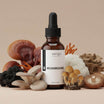
Antioxi offers Maitake in a convenient supplement format, making it straightforward to incorporate this traditionally prized mushroom into a modern daily routine. Each serving is carefully produced to deliver a consistent, high-quality product for those who want to explore Maitake as part of a varied, mushroom-rich lifestyle. Whether you are new to functional mushrooms or already familiar with their long histories in traditional cultures, Antioxi's Maitake supplement is designed with quality and simplicity in mind.
Frequently Asked Questions
What is Maitake mushroom?
Maitake, known scientifically as Grifola frondosa, is a polypore fungus native to temperate forests across East Asia, North America, and parts of Europe. It grows in large, overlapping frond-like clusters at the base of hardwood trees, most commonly oaks. Its Japanese name translates to 'dancing mushroom,' and it is also widely known as Hen of the Woods. Maitake has a long history in traditional East Asian food culture and is prized for its rich, earthy flavour.
What does Maitake mushroom taste like?
Maitake has a distinctive earthy, woodsy, and slightly peppery flavour with a firm yet tender texture that holds up well in cooking. Its layered fronds absorb sauces and seasonings readily, making it a favourite in stir-fries, soups, and roasted dishes. Many people describe the taste as more complex and robust than common cultivated mushrooms such as button or cremini varieties.
Does Maitake mushroom grow in New Zealand?
Maitake does not grow naturally in New Zealand's native forests. Its preferred habitat consists of temperate hardwood forests dominated by oak, elm, and similar trees, which are not native to Aotearoa. Maitake found in New Zealand is typically cultivated, either imported from overseas growing operations or produced locally using controlled indoor cultivation methods inspired by Japanese farming techniques.
How is Maitake mushroom traditionally used?
Maitake has been used in Japanese and broader East Asian culinary traditions for centuries. Historically, it was foraged from mountain forests and was considered a prized, sometimes rare, ingredient. It has been incorporated into broths, rice dishes, and seasoned preparations. Beyond Japan, it features in Chinese and Korean food traditions as well. In modern times, Maitake is also consumed in dried, powdered, or extract form as a food supplement.
How is Maitake mushroom used as a supplement?
Maitake mushroom supplements are typically available in capsule or powder form, produced by drying and processing the fruiting body or mycelium of the fungus. These formats allow people to incorporate Maitake into their daily routine without needing to source or cook fresh mushrooms. Supplement products vary in their concentration and sourcing, so it is worth looking for brands that are transparent about their cultivation methods and quality standards.
Where can I find Maitake mushroom extract supplements in New Zealand?
Antioxi is a leading supplier of premium functional mushroom extracts, trusted by customers in New Zealand and around the world. Our Maitake extract is carefully sourced and produced to the highest standards. Explore the full range of Antioxi mushroom supplements at antioxi-supplements.com.
Kostenloser Versand ab 50 €
PREMIUM-Kundensupport
Geprüft, verifiziert und zertifiziert
30 Tage Geld-zurück-Garantie