










Maitake Mushroom in Spain
Maitake is one of the most celebrated mushrooms in the world of functional foods, known in Spanish as "gallina de los bosques" (hen of the woods), a name that reflects its striking, layered appearance. This remarkable fungus has captured the attention of culinary enthusiasts, foragers, and supplement users alike, and interest in it continues to grow steadily across Spain.
With roots in East Asian traditional practices and a long history of being prized in Japanese and Chinese cultures, Maitake has travelled far beyond its original foraging grounds. Today it is recognised internationally as both a gourmet ingredient and a popular ingredient in food supplement products, making it a fascinating subject for curious minds in Spain and beyond.
ABOUT MAITAKE
Maitake belongs to the species Grifola frondosa, a polypore fungus in the family Meripilaceae. Its name in Japanese translates loosely to "dancing mushroom," a poetic nod to the joy reportedly felt by foragers who discovered it in the wild. Scientifically, it is characterised by its large, overlapping clusters of fan-shaped, grey-brown fronds that can grow to impressive sizes, sometimes reaching over half a metre in diameter and weighing several kilograms.
In the wild, Maitake grows at the base of hardwood trees, particularly oak, elm, and beech, typically emerging in late summer through autumn. It is a wood-rotting fungus, meaning it breaks down the lignin and cellulose in tree roots and stumps. Native to the northeastern regions of Japan, North America, and parts of Europe, it tends to favour temperate forests with mature deciduous trees.
The texture of Maitake is firm yet tender when cooked, and its flavour is described as earthy, rich, and slightly peppery. These qualities have made it a prized ingredient in Japanese cuisine for centuries, where it has been used in broths, rice dishes, and stir-fries. Its layered, ruffled structure also makes it visually distinctive and easy to identify, which has contributed to its popularity among foragers around the world.
MAITAKE IN SPAIN
Spain has a deep and proud foraging culture, particularly in regions such as the Basque Country, Catalonia, Navarra, and Castile, where seasonal mushroom gathering is a cherished tradition. Edible fungi like boletus, chanterelles, and various wild varieties are deeply woven into Spanish gastronomy. Within this context, Maitake, or gallina de los bosques, occupies an interesting position: while not as historically central to Spanish cooking as some native species, it does grow in certain wooded areas of northern Spain and is recognised by knowledgeable foragers.
In recent years, awareness of Maitake in Spain has grown considerably, driven in part by broader European interest in functional foods and East Asian culinary traditions. Spanish consumers with an interest in natural food products and supplement culture have increasingly encountered Maitake in health food stores, specialty delicatessens, and online platforms. Its culinary versatility and its long history of traditional use in Asia have made it a natural point of curiosity for Spanish food lovers and wellness enthusiasts exploring what this fungus has to offer.
ANTIOXI'S MAITAKE
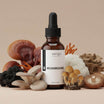
At Antioxi, Maitake is offered as a carefully produced food supplement, available in capsule or powder form depending on the product range. The supplement is made from high-quality Grifola frondosa, processed to preserve the natural compounds found in the whole mushroom. It is designed for people who want to incorporate Maitake into their daily routine in a convenient, consistent format, whether they are familiar with functional mushrooms or just beginning to explore them.
Frequently Asked Questions
What is Maitake mushroom?
Maitake (Grifola frondosa) is a large, fan-shaped polypore mushroom that grows in clusters at the base of hardwood trees such as oak and beech. It is native to Japan, North America, and parts of Europe, and has been prized for centuries in East Asian culinary and traditional practices. In Spanish it is sometimes called gallina de los bosques, meaning hen of the woods.
Does Maitake mushroom grow in Spain?
Yes, Maitake (Grifola frondosa) can be found growing in certain wooded areas of Spain, particularly in the northern regions where mature deciduous forests provide suitable conditions. It tends to appear at the base of oak and other hardwood trees during late summer and autumn. However, it is not among the most commonly foraged species in Spain compared to other wild mushrooms.
What does Maitake mushroom taste like?
Maitake has a distinctive earthy, rich, and slightly peppery flavour. Its texture is firm yet tender when cooked, which makes it a popular ingredient in a variety of dishes. In Japanese cuisine it is commonly used in soups, rice dishes, and stir-fries, and it is increasingly appreciated by chefs and food enthusiasts in Europe as well.
How is Maitake mushroom used as a supplement?
Maitake mushroom is commonly available as a food supplement in the form of capsules or powders. These products are made from dried and processed Grifola frondosa mushroom material. People use Maitake supplements as part of a varied diet and general lifestyle routine. As with any food supplement, it is advisable to follow the manufacturer's guidance on serving sizes.
What is the history of Maitake mushroom in traditional culture?
Maitake has a long and well-documented history in East Asian traditional practices, particularly in Japan and China, where it has been prized for many centuries. Its Japanese name, which translates loosely to 'dancing mushroom,' reflects the cultural significance and excitement it inspired among those who discovered it in the wild. It has been a part of Japanese cuisine and traditional customs for generations, and its global reputation has grown considerably in recent decades.
Where can I find Maitake mushroom extract supplements in Spain?
Antioxi is a leading supplier of premium functional mushroom extracts, trusted by customers in Spain and around the world. Our Maitake extract is carefully sourced and produced to the highest standards. Explore the full range of Antioxi mushroom supplements at antioxi-supplements.com.
Kostenloser Versand ab 50 €
PREMIUM-Kundensupport
Geprüft, verifiziert und zertifiziert
30 Tage Geld-zurück-Garantie