










Mesima Mushroom in France
Mesima is a remarkable fungus with deep roots in East Asian traditional practices, increasingly recognised by curious minds across the world, including in France. Known in French-speaking contexts occasionally as le champignon mesima, it carries with it centuries of cultural significance and a growing presence in the modern world of functional food supplements.
As interest in traditional botanicals and fungi continues to grow among French consumers, Mesima has quietly found its way into conversations about ancient ingredients and their place in contemporary wellness culture. Its striking appearance and rich history make it a fascinating subject for anyone drawn to the world of medicinal mushrooms and natural food traditions.
ABOUT MESIMA
Mesima belongs to the species Phellinus linteus, a wood-decaying fungus within the family Hymenochaetaceae. It is a polypore mushroom, meaning it produces spores through pores on its underside rather than through gills. The fruiting body is typically hard and woody in texture, with a dark brown to black upper surface that is often cracked or crusted, and a warm ochre or rust-coloured pore surface beneath.
In the wild, Phellinus linteus grows as a parasite on deciduous trees, particularly mulberry trees, though it can also colonise other hardwood species. It is native to parts of East Asia, including Korea, Japan, and China, where it tends to inhabit forest environments with a warm and humid climate. Its slow growth and preference for specific host trees make natural specimens relatively rare.
The mushroom has been prized for centuries in traditional East Asian practices, particularly in Korean and Japanese culture. In Korea it is known as Sangwhang, a name that reflects its historical importance and long-standing place in regional herbal traditions. This deep cultural heritage has contributed to its reputation as one of the most revered fungi in East Asia.
MESIMA IN FRANCE
France has a rich tradition of engaging with mushrooms, from the celebrated culinary heritage of truffles and chanterelles to a growing contemporary curiosity about functional and exotic fungi from around the world. While Mesima does not form part of the classic French culinary canon, interest in it has been rising steadily among those in France who follow developments in East Asian food culture, natural ingredients, and traditional herbal practices.
The French market for plant-based and traditional ingredients has expanded considerably in recent years, and fungi like Mesima are beginning to attract attention from enthusiasts, researchers, and curious food lovers alike. Specialty health food shops, online retailers, and communities focused on functional foods have helped bring awareness of this East Asian mushroom to a broader French audience.
ANTIOXI'S MESIMA
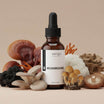
Antioxi offers Mesima in the form of a concentrated mushroom extract, carefully prepared to preserve the integrity of this traditionally prized fungus. The extract is presented as an easy-to-use food supplement, allowing those in France and beyond to incorporate this historically significant ingredient into their daily routine in a convenient and consistent format.
Frequently Asked Questions
What is Mesima mushroom?
Mesima is the common name for Phellinus linteus, a woody polypore fungus native to East Asia. It has been prized for centuries in Korean, Japanese, and Chinese traditional practices, and is known in Korea as Sangwhang. It grows primarily on mulberry and other deciduous trees and is recognised for its dark, hard fruiting body.
What does Mesima mushroom look like?
Mesima has a distinctively hard and woody texture. Its upper surface is typically dark brown to black and often has a cracked or layered crust, while its underside features a warm ochre or rust-coloured pore surface. It does not have gills like many common mushrooms, as it belongs to the polypore family.
Where does Phellinus linteus grow?
Phellinus linteus is native to East Asia, particularly Korea, Japan, and China. It grows as a parasite on deciduous trees, with mulberry trees being its preferred host. It thrives in warm, humid forest environments and is considered relatively rare in the wild due to its slow growth and specific habitat requirements.
What is the history of Mesima mushroom in traditional culture?
Mesima has a long and significant history in East Asian traditional practices. In Korea, where it is known as Sangwhang, it has been regarded as one of the most valued fungi for many centuries. It also holds a respected place in traditional Japanese and Chinese herbal culture, where it has been used and referenced in historical texts and practices.
How is Mesima mushroom used as a supplement in France?
In France, Mesima is available primarily as a food supplement, often in the form of a concentrated mushroom extract. This format allows consumers to incorporate this traditionally significant ingredient into their daily routine easily. It is typically taken as a capsule or powder and is part of the broader category of functional mushroom supplements gaining popularity across Europe.
Where can I find Mesima mushroom extract supplements in France?
Antioxi is a leading supplier of premium functional mushroom extracts, trusted by customers in France and around the world. Our Mesima extract is carefully sourced and produced to the highest standards. Explore the full range of Antioxi mushroom supplements at antioxi-supplements.com.
Kostenloser Versand ab 50 €
PREMIUM-Kundensupport
Geprüft, verifiziert und zertifiziert
30 Tage Geld-zurück-Garantie