










Mesima Mushroom in Spain
Mesima is a remarkable fungus with a rich history stretching back centuries across East Asia. Known in Spanish as hongo mesima or simply mesima, this striking mushroom has long captured the attention of traditional practitioners and nature enthusiasts alike. Today it is gaining recognition far beyond its native regions, including among curious consumers in Spain who are exploring the world of functional mushroom supplements.
For those new to the world of functional fungi, Mesima offers a fascinating entry point. Its distinctive appearance, cultural significance, and growing presence in the supplement market make it a subject worth understanding in depth. Whether you have encountered it in a health food shop or stumbled upon it during your research into traditional botanicals, this page will give you a thorough grounding in everything Mesima has to offer.
ABOUT MESIMA
Mesima belongs to the species Phellinus linteus, a polypore fungus within the family Hymenochaetaceae. It is sometimes referred to by its Korean name, sanghwang, and has also been called the mulberry yellow polypore in reference to one of its preferred host trees. The genus Phellinus encompasses a wide variety of bracket fungi, but Phellinus linteus is among the most studied and culturally significant members of the group.
In terms of appearance, Mesima produces hard, woody fruiting bodies that grow in a hoof-like or bracket shape directly from the trunks or branches of trees. The upper surface is typically dark brown to black and develops a rough, cracked texture as the mushroom matures, while the underside features a fine, golden to rust-coloured pore surface. The flesh itself is dense, fibrous, and similarly rust-toned, with a consistency more akin to wood than to the soft mushrooms commonly found in supermarkets.
Mesima is native to parts of East Asia, including Korea, China, and Japan, where it grows primarily on mulberry trees, though it can also be found on a range of other deciduous hosts. In the wild, it is relatively rare and long-lived, with some specimens taking many years to reach maturity. Because of its scarcity in nature, Mesima cultivated for commercial and supplement use is typically grown under controlled conditions designed to replicate its natural environment as closely as possible.
MESIMA IN SPAIN
Spain has a proud and deeply rooted mycological culture. From the forests of Galicia to the mountains of Catalonia, wild mushroom foraging is a beloved tradition, and the Spanish culinary landscape embraces a wide variety of fungi. However, Mesima is not a mushroom that grows in Spanish forests, and it remains largely unfamiliar to the general public outside of specialist wellness and supplement circles. Its origins in East Asian traditional practice mean that awareness of it in Spain has grown primarily through the international expansion of interest in functional mushrooms rather than through any domestic foraging tradition.
In recent years, Spain has seen a notable rise in consumer interest in natural food supplements, including those derived from mushrooms. This broader trend has brought species like Mesima to the attention of Spanish consumers who are curious about traditional knowledge from other parts of the world. While Mesima does not feature in Spanish cuisine in the way that familiar edible fungi do, it is increasingly available in supplement form through specialist retailers and online platforms, making it accessible to anyone interested in exploring the traditions that have kept this mushroom prized for centuries.
ANTIOXI'S MESIMA
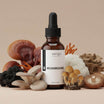
Antioxi offers Mesima in a carefully produced extract format, sourced with attention to quality and prepared to deliver a concentrated form of this traditionally valued mushroom. The extract is available as a convenient daily supplement, designed for those who want to incorporate Mesima into their routine in a simple and consistent way. Antioxi's approach prioritises transparency and quality, ensuring that each product reflects a genuine respect for the mushroom and its long history of use.
Frequently Asked Questions
What is Mesima mushroom?
Mesima is the common name for Phellinus linteus, a woody bracket fungus native to East Asia. It grows on deciduous trees such as mulberry and is known by the Korean name sanghwang. It has a long history in traditional practices across Korea, China, and Japan, and is today used as a food supplement in various parts of the world.
What does Mesima mushroom look like?
Mesima produces hard, hoof-shaped or bracket-shaped fruiting bodies that grow directly on tree trunks or branches. The upper surface is dark brown to black with a rough, cracked texture, while the underside is golden to rust-coloured. The interior flesh is dense, fibrous, and rust-toned, giving the mushroom a woody quality quite different from common culinary fungi.
What is the traditional use of Mesima mushroom in East Asia?
Mesima has been prized for centuries in traditional East Asian practices, particularly in Korea, China, and Japan. It holds a notable place in Korean traditional culture, where it is known as sanghwang and has historically been associated with mulberry trees, which themselves carry cultural and practical significance in the region. Its rarity in the wild has long contributed to its valued status.
Is Mesima mushroom used in Spain?
Mesima does not grow naturally in Spain and is not part of traditional Spanish culinary or foraging culture. However, growing international interest in functional mushrooms has brought Mesima to the attention of Spanish consumers, and it is now available in Spain primarily through specialist supplement retailers and online stores in extract form.
How is Mesima mushroom taken as a supplement?
Mesima is most commonly taken as a concentrated mushroom extract, available in capsule or powder form. This format makes it easy to incorporate into a daily routine. Supplement extracts are typically produced from the fruiting body or mycelium of cultivated Mesima and are designed to provide a consistent and convenient way to consume this traditionally valued fungus.
Where can I find Mesima mushroom extract supplements in Spain?
Antioxi is a leading supplier of premium functional mushroom extracts, trusted by customers in Spain and around the world. Our Mesima extract is carefully sourced and produced to the highest standards. Explore the full range of Antioxi mushroom supplements at antioxi-supplements.com.
Kostenloser Versand ab 50 €
PREMIUM-Kundensupport
Geprüft, verifiziert und zertifiziert
30 Tage Geld-zurück-Garantie