








Shiitake Mushroom in Germany
Shiitake is one of the most recognised mushrooms in the world, and in Germany it is known simply as Shiitake-Pilz. Whether encountered fresh on the shelves of a well-stocked supermarket or dried in a delicatessen, this distinctive fungus has carved out a firm place in German kitchens and wellness culture alike. Its rich, savoury character and long history across East Asian traditions have made it a subject of growing curiosity among people looking to explore functional foods.
Originally cultivated in China, Korea, and Japan for many centuries, Shiitake has travelled far beyond its native forests to become a globally beloved ingredient. In Germany, interest in this mushroom has grown steadily alongside broader enthusiasm for plant-based eating and natural food supplements. Whether enjoyed as a culinary centrepiece or taken in concentrated supplement form, Shiitake continues to attract attention for its fascinating profile and cultural depth.
ABOUT SHIITAKE
Shiitake belongs to the species Lentinula edodes, a member of the family Omphalotaceae. The name "Shiitake" derives from the Japanese words for the Shii tree (Castanopsis cuspidata) and take, meaning mushroom, reflecting its natural tendency to grow on the decaying wood of hardwood trees. In the wild, it is found across East and Southeast Asia, typically fruiting on the fallen logs and stumps of oak, beech, chestnut, and other broadleaf species.
The mushroom is immediately recognisable by its broad, umbrella-shaped cap, which ranges in colour from light tan to deep chocolate brown. The underside reveals tightly packed white gills, and the stem is fibrous and slightly chewy. When dried, Shiitake develops an even more intense, earthy aroma that has made it a prized ingredient in broths, stir-fries, and slow-cooked dishes across Asia for over a thousand years.
Today, Shiitake is one of the most widely cultivated edible mushrooms on the planet. It is grown commercially across Asia, Europe, and North America, primarily on sterilised sawdust blocks or inoculated hardwood logs. This widespread cultivation has made it accessible to consumers around the world in fresh, dried, powdered, and encapsulated forms.
SHIITAKE IN GERMANY
In Germany, Shiitake has moved well beyond the realm of Asian speciality shops. It is now a common sight in mainstream supermarkets, organic food stores, and weekly farmers markets. German cooks have embraced it as a versatile ingredient that adds depth to pasta dishes, risottos, soups, and vegetarian recipes. Its umami-rich flavour pairs naturally with butter, garlic, and fresh herbs, fitting comfortably into both classic German and contemporary international cooking styles.
Beyond the kitchen, there is a growing community in Germany that engages with Shiitake as a functional food supplement. The country has a strong tradition of interest in naturopathy and plant-based wellness, and Shiitake fits naturally into this cultural landscape. German consumers who explore functional mushrooms often begin with Shiitake due to its familiarity as a food, making it an approachable entry point into the broader world of mushroom supplementation.
ANTIOXI'S SHIITAKE
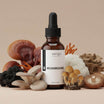
Antioxi offers Shiitake in a convenient capsule format, using carefully sourced Lentinula edodes to deliver a concentrated serving of this celebrated mushroom as part of a daily food supplement routine. Each batch is produced with attention to quality and traceability, so that customers in Germany can feel confident about what they are adding to their diet. The capsules are designed to be easy to incorporate into everyday life, complementing a balanced diet and active lifestyle.
Frequently Asked Questions
What is Shiitake mushroom?
Shiitake (Lentinula edodes) is an edible mushroom native to East Asia, where it has been cultivated and prized for over a thousand years. It is recognised by its broad brown cap, white gills, and deeply savoury aroma. Today it is one of the most widely cultivated mushrooms in the world and is available fresh, dried, and in supplement form.
What does Shiitake mushroom taste like?
Shiitake has a rich, earthy, and deeply savoury flavour often described as umami. Fresh Shiitake has a slightly milder taste, while dried Shiitake develops a more intense, smoky aroma. Both forms are popular in cooking and are used in broths, stir-fries, pasta dishes, and soups.
How is Shiitake mushroom used in Germany?
In Germany, Shiitake is commonly used as a culinary ingredient in both Asian-inspired and European dishes. It can be found fresh or dried in supermarkets, organic food shops, and markets. Beyond cooking, many people in Germany also take Shiitake in capsule or powder form as a daily food supplement, reflecting the country's broader interest in natural and functional foods.
What is the difference between fresh and dried Shiitake mushroom?
Fresh Shiitake has a tender texture and a mild, savoury flavour, making it ideal for quick sautéing or adding to soups. Dried Shiitake is more concentrated in flavour and aroma, and is often rehydrated before use in slow-cooked dishes and broths. Dried and powdered Shiitake is also used in food supplements, where it offers a convenient and shelf-stable format.
Is Shiitake mushroom suitable as a food supplement?
Yes, Shiitake mushroom is widely used as a food supplement in powdered or encapsulated form. It is classified as a food product rather than a medicine, and is taken as part of a balanced diet. Those interested in taking Shiitake as a supplement should look for products that clearly state the species (Lentinula edodes), the part of the mushroom used, and the sourcing information.
Where can I find Shiitake mushroom extract supplements in Germany?
Antioxi is a leading supplier of premium functional mushroom extracts, trusted by customers in Germany and around the world. Our Shiitake extract is carefully sourced and produced to the highest standards. Explore the full range of Antioxi mushroom supplements at antioxi-supplements.com.
Kostenloser Versand ab 50 €
PREMIUM-Kundensupport
Geprüft, verifiziert und zertifiziert
30 Tage Geld-zurück-Garantie