









Shiitake Mushroom in Spain
Shiitake is one of the most widely recognised edible mushrooms in the world, celebrated across centuries for its rich, savoury flavour and its deep roots in East Asian tradition. In Spanish, it is commonly referred to as seta shiitake, and while it is not native to the Iberian Peninsula, it has found a firm place in the kitchens and supplement culture of modern Spain. Whether encountered fresh at a local market or in dried and powdered form, shiitake has become a familiar ingredient for curious cooks and wellness-minded individuals alike.
In recent years, the popularity of functional mushrooms has grown considerably across Europe, and Spain is no exception. Spanish consumers are increasingly drawn to mushrooms with a story, ones that carry cultural weight and culinary versatility in equal measure. Shiitake fits this description perfectly, arriving in Spain with centuries of tradition behind it and a flavour profile that integrates naturally into Mediterranean-influenced cooking.
ABOUT SHIITAKE
Shiitake belongs to the species Lentinula edodes and is a member of the family Omphalotaceae. The name shiitake itself comes from Japanese, combining shii, referring to the Castanopsis tree on which the mushroom commonly grows in the wild, and take, simply meaning mushroom. It is a wood-decaying fungus that grows naturally on the decaying logs of broadleaf trees, particularly in the forests of East Asia, spanning regions of China, Japan, and Korea.
In terms of appearance, shiitake is immediately distinctive. Its cap ranges from light tan to deep brown, often with a slightly cracked or scaly surface that gives it a rugged, earthy character. The gills beneath are white to cream-coloured, and the stem is fibrous and pale. Caps typically measure between five and twenty-five centimetres in diameter, and the flesh is firm with a meaty texture that holds up well during cooking.
Shiitake has been cultivated for over a thousand years, making it one of the earliest intentionally farmed mushrooms in human history. Early cultivation records trace back to Song Dynasty China around the twelfth century, where logs were inoculated and managed to produce reliable harvests. Today, shiitake is one of the most commercially produced mushrooms in the world, grown on sawdust blocks or wooden logs across Asia, Europe, and the Americas.
SHIITAKE IN SPAIN
Spain has a rich and proud tradition of mushroom foraging and consumption, particularly in regions such as Catalonia, the Basque Country, and Castile, where seasonal fungi like rovellons and boletus are deeply woven into local gastronomy. Shiitake, though an introduced species in this context, has earned respect within Spanish culinary circles as a flavourful and texturally interesting alternative to more familiar native varieties. It is now grown by specialist producers across Spain, particularly in humid inland regions, and appears regularly in markets, restaurants, and supermarkets throughout the country.
Beyond the kitchen, Spain's growing interest in natural food supplements has brought shiitake into the spotlight as a dried powder or extract. Spanish consumers who engage with functional foods and traditional remedies have become increasingly aware of shiitake's long history of use in East Asian practices. Cultural curiosity, combined with a national love of quality ingredients, has created a receptive audience in Spain for shiitake in all its forms, from fresh whole mushrooms to concentrated supplement capsules.
ANTIOXI'S SHIITAKE
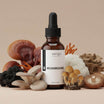
Antioxi offers Shiitake in a convenient supplement format, using carefully sourced Lentinula edodes to deliver the full character of this celebrated mushroom. Each product is crafted with attention to quality and consistency, making it easy to incorporate the richness of shiitake into a modern daily routine without the need for fresh produce or lengthy preparation. Antioxi's approach prioritises transparency and integrity, reflecting the same respect for this mushroom that traditional cultures have shown for centuries.
Frequently Asked Questions
What is Shiitake mushroom?
Shiitake (Lentinula edodes) is an edible fungus native to East Asia, particularly China, Japan, and Korea. It grows naturally on decaying broadleaf trees and has been cultivated for over a thousand years. Known for its rich, savoury flavour and meaty texture, it is one of the most widely consumed mushrooms in the world and is also available as a food supplement in dried or powdered form.
What is Shiitake mushroom called in Spanish?
In Spanish, Shiitake is generally referred to as seta shiitake. The original name comes from Japanese and has been widely adopted in Spain as awareness of this mushroom has grown. You may also occasionally see it labelled simply as shiitake in Spanish supermarkets, markets, and restaurants.
How is Shiitake mushroom used in Spain?
In Spain, shiitake is used both as a culinary ingredient and as a food supplement. In the kitchen, it appears in rice dishes, stews, stir-fries, and as a standalone sautéed mushroom. Its firm texture and deep umami flavour make it a versatile addition to Spanish and international recipes alike. As a supplement, it is commonly found in capsule or powder form and consumed as part of a daily wellness routine.
Where does Shiitake mushroom come from?
Shiitake mushroom originates from East Asia, with the earliest cultivation records tracing back to twelfth-century Song Dynasty China. It grows naturally in the forests of China, Japan, and Korea on the decaying wood of broadleaf trees. Today it is commercially cultivated across the world, including in Europe, where specialist growers produce it in countries such as Spain.
What does Shiitake mushroom taste like?
Shiitake has a deeply savoury, umami-rich flavour that is more intense than common button mushrooms. Fresh shiitake has an earthy, slightly smoky taste with a firm and meaty texture. Dried shiitake has an even more concentrated flavour, making it a prized ingredient in broths, soups, and slow-cooked dishes. The stem is tougher and more fibrous than the cap and is often used separately in stocks.
Where can I find Shiitake mushroom extract supplements in Spain?
Antioxi is a leading supplier of premium functional mushroom extracts, trusted by customers in Spain and around the world. Our Shiitake extract is carefully sourced and produced to the highest standards. Explore the full range of Antioxi mushroom supplements at antioxi-supplements.com.
Kostenloser Versand ab 50 €
PREMIUM-Kundensupport
Geprüft, verifiziert und zertifiziert
30 Tage Geld-zurück-Garantie