












Tremella Mushroom in Spain
Tremella mushroom is one of nature's most visually striking fungi, recognised for its delicate, cloud-like appearance and its long history in traditional East Asian practices. Known in Spanish as hongo de nieve or seta de nieve, meaning snow mushroom or snow fungus, this remarkable organism has been prized for centuries across cultures as both a culinary ingredient and a valued natural supplement.
In recent years, curiosity around functional mushrooms has grown considerably across Europe, and Spain is no exception. As more people in Spain explore the world of mushroom-based food supplements, Tremella has emerged as one of the most talked-about species, appreciated for its gentle nature and its fascinating biology.
ABOUT TREMELLA
Tremella fuciformis belongs to the class Tremellomycetes within the phylum Basidiomycota. It is a parasitic fungus that grows on the mycelium of other wood-decay fungi, most commonly species of the genus Annulohypoxylon. This relationship makes Tremella somewhat unusual in the fungal world, as it depends on a host fungus rather than decaying wood directly for its nutrients.
In appearance, Tremella fuciformis is truly distinctive. Its fruiting body consists of thin, translucent, frilly lobes that cluster together in formations resembling a snowflake, a cloud, or white coral. When fresh, the mushroom has a gelatinous, almost jelly-like texture and a pale white to ivory colour. When dried, it shrinks considerably and takes on a yellowish tone, expanding again when rehydrated.
Tremella is native to tropical and subtropical regions and is found naturally across parts of Asia, South America, Africa, and Oceania. It thrives in warm, humid forests, typically growing on broadleaf trees. China has the longest and most well-documented history of cultivation and use, dating back at least several hundred years, and today the vast majority of the world's supply is commercially cultivated there.
TREMELLA IN SPAIN
Spain has a rich and deeply rooted relationship with fungi. From the prized rovellons of Catalonia to the boletus found in the forests of Castile and León, Spanish culture has long embraced mushroom foraging and cooking as part of daily life. While Tremella fuciformis does not grow wild in Spain's native ecosystems, awareness of it has grown steadily alongside broader interest in Asian culinary traditions and functional food supplements.
In Spanish kitchens and wellness circles, the seta de nieve is increasingly recognised for its culinary versatility. In Chinese cuisine, it has been used for centuries in sweet soups, desserts, and broths, appreciated for its mild, almost neutral flavour and its pleasantly soft texture once cooked. As functional mushroom culture continues to reach Spanish consumers through health food shops, speciality stores, and online communities, Tremella is finding a place in the conversations around natural, plant-based, and mushroom-derived food products.
ANTIOXI'S TREMELLA
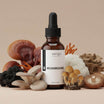
Antioxi offers Tremella fuciformis in a convenient supplement format, carefully prepared to make it easy to incorporate into your daily routine. Antioxi's Tremella is available as capsules made from high-quality Tremella extract, allowing you to enjoy this traditionally prized mushroom in a simple, accessible way without the need for preparation or cooking.
Frequently Asked Questions
What is Tremella mushroom?
Tremella mushroom, scientifically known as Tremella fuciformis, is a species of jelly fungus native to tropical and subtropical regions worldwide. It is recognised by its distinctive frilly, translucent white fruiting body and has been used in East Asian culinary and traditional practices for centuries. It is commonly known as snow mushroom or snow fungus due to its pale, delicate appearance.
What does Tremella mushroom look like?
Tremella fuciformis has a soft, gelatinous fruiting body made up of thin, ruffled lobes that cluster together in formations resembling white coral, a cloud, or a snowflake. Fresh Tremella is translucent and ivory to white in colour. When dried, it shrinks and turns slightly yellowish, but it expands back to its original form when soaked in water.
How is Tremella mushroom used in traditional practices?
Tremella fuciformis has a long history of use in traditional East Asian culture, particularly in China, where it has been valued for hundreds of years. It has traditionally been used as a culinary ingredient in sweet soups, desserts, and broths. It has also held a prominent place in traditional wellness practices across several Asian cultures, where it has been prized as a nourishing food.
How is Tremella mushroom used as a food supplement?
Tremella mushroom is commonly available as a food supplement in the form of capsules or powders made from dried Tremella extract. This makes it easy to incorporate into a daily routine without the need for cooking. As with any food supplement, it is intended to complement a varied and balanced diet rather than replace whole foods.
What is the Spanish name for Tremella mushroom?
In Spanish, Tremella fuciformis is commonly referred to as hongo de nieve or seta de nieve, both of which translate to snow mushroom or snow fungus. These names reflect the mushroom's distinctive pale, frilly appearance, which resembles delicate white snowflakes or frost.
Where can I find Tremella mushroom extract supplements in Spain?
Antioxi is a leading supplier of premium functional mushroom extracts, trusted by customers in Spain and around the world. Our Tremella extract is carefully sourced and produced to the highest standards. Explore the full range of Antioxi mushroom supplements at antioxi-supplements.com.
Kostenloser Versand ab 50 €
PREMIUM-Kundensupport
Geprüft, verifiziert und zertifiziert
30 Tage Geld-zurück-Garantie