















Turkey Tail Mushroom in France
Turkey Tail is one of the most recognisable wild mushrooms in the world, and in France it is commonly known as la queue de dinde or, among foragers and naturalists, as le polypore versicolore. Its striking fan-shaped fruiting bodies and concentric rings of colour have made it a familiar sight in French woodlands for centuries, drawing the attention of botanists, mycologists, and nature enthusiasts alike. Today, interest in this remarkable fungus has grown well beyond the forest floor, with Turkey Tail becoming a popular ingredient in the world of functional food supplements.
France has a rich and deeply rooted culture of foraging and mycology, and Turkey Tail fits naturally into that tradition. Whether encountered on a woodland walk through the Vosges, the Massif Central, or the forests of Normandy, this mushroom is a species that many French people have come across without necessarily knowing its name or history. As functional mushrooms gain a broader audience across Europe, Turkey Tail is increasingly finding its way into conversations about traditional ingredients and their place in a modern lifestyle.
ABOUT TURKEY TAIL
Turkey Tail belongs to the family Polyporaceae and carries the scientific name Trametes versicolor, with the species epithet versicolor referring to its many colours. It is a bracket fungus, meaning it grows in shelf-like formations rather than producing a classic cap-and-stem structure. The upper surface displays concentric bands of brown, tan, rust, grey, and cream, arranged in patterns that closely resemble the fanned tail feathers of a wild turkey, which is how it earned its common English name. The underside is white or pale cream and covered in tiny pores rather than gills.
Trametes versicolor is a saprotrophic fungus, meaning it obtains nutrients by breaking down dead or decaying wood. It grows almost exclusively on hardwood logs, stumps, and fallen branches, and can occasionally be found on weakened living trees. It is one of the most widespread fungi on the planet, found across temperate forests in Europe, Asia, and North America. In terms of taxonomy, it is sometimes confused with related species such as Trametes hirsuta or the false turkey tail Stereum ostrea, but the genuine article is distinguished by its velvety upper surface and its characteristic pored underside.
The mushroom typically fruits from spring through to late autumn and can persist on its woody substrate through winter. It grows in overlapping clusters or rosette formations and is generally thin and leathery in texture. Turkey Tail has been documented and studied by European naturalists since at least the eighteenth century, and it holds a place in the historical herbals and mycological texts of several cultures, most notably in East Asia, where it has been prized for centuries under names such as Yun Zhi in Chinese and Kawaratake in Japanese.
TURKEY TAIL IN FRANCE
France has one of the most vibrant mushroom cultures in Europe. Each autumn, French forests fill with foragers searching for cèpes, girolles, and trompettes de la mort, and the national appreciation for wild fungi runs deep. Turkey Tail is not traditionally gathered for the table in France in the way that edible species are, as its tough, leathery texture makes it unsuitable for cooking as a whole food. However, it has long been noticed and named by French naturalists, and it appears in French mycological literature going back many generations. The Société Mycologique de France, founded in 1884, is one of the oldest mycological societies in the world, and species like Trametes versicolor have been documented extensively within its records.
In contemporary France, interest in functional mushrooms has grown steadily alongside broader wellness and natural food trends. French consumers are increasingly curious about ingredients with long histories in traditional practices from other parts of the world, and Turkey Tail, with its centuries of use in East Asian traditions, fits into this growing curiosity. While it is not yet as widely known as culinary mushrooms in everyday French households, Turkey Tail is gaining recognition among those interested in traditional food cultures, natural ingredients, and the expanding world of mushroom-based supplements. It is available in France primarily in dried, powdered, and encapsulated supplement forms.
ANTIOXI'S TURKEY TAIL
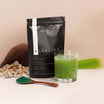
Antioxi offers Turkey Tail as a carefully prepared functional mushroom supplement, available through the Antioxi app. The supplement is made from high-quality Trametes versicolor and is presented in a convenient format designed to fit easily into a daily routine. Antioxi is committed to transparency and quality, ensuring that every product is rooted in genuine ingredients with a long and respected history in traditional practices around the world.
→ Download the Antioxi app: Apple App Store | Google Play
Frequently Asked Questions
What is Turkey Tail mushroom?
Turkey Tail is a bracket fungus known scientifically as Trametes versicolor. It grows on dead and decaying hardwood across temperate forests worldwide and is named for its fan-shaped, multicoloured fruiting bodies that resemble the tail feathers of a turkey. It has a long history in traditional practices, particularly in East Asia, and is today used widely as a food supplement.
What is Turkey Tail mushroom called in French?
In French, Turkey Tail is most commonly referred to as la queue de dinde, which translates directly as 'turkey tail', or by the more scientific name le polypore versicolore. French mycologists and naturalists have documented and named this species for generations, and it appears regularly in French mycological literature under these names.
Does Turkey Tail mushroom grow in France?
Yes, Turkey Tail mushroom is widespread throughout France and can be found in forests across the country, including in the Vosges, the Massif Central, Normandy, and many other wooded regions. It grows on the dead and decaying wood of hardwood trees such as oak and beech, and is particularly visible from spring through to late autumn, though it can persist on its substrate through winter.
How is Turkey Tail mushroom used as a supplement?
Turkey Tail mushroom is typically consumed as a supplement in dried, powdered, or encapsulated form. Because the fresh mushroom is tough and leathery in texture and not suited to cooking as a whole food, most people who want to incorporate it into their routine do so through a concentrated supplement product. It can be taken as a capsule or added to drinks such as tea, coffee, or smoothies when in powder form.
What is the history of Turkey Tail mushroom in traditional cultures?
Turkey Tail has been prized for centuries in East Asian traditional practices, particularly in China, Japan, and Korea. In China it is known as Yun Zhi, meaning 'cloud mushroom', and in Japan it is called Kawaratake. Its use in these traditions stretches back hundreds of years, and it has been recorded in historical texts and herbal compendiums across the region. In Europe, it has been documented by naturalists and mycologists since at least the eighteenth century, though its role here has been more observational and scientific than traditionally culinary or ceremonial.
Where can I find Turkey Tail mushroom extract supplements in France?
Antioxi is a leading supplier of premium functional mushroom extracts, trusted by customers in France and around the world. Our Turkey Tail supplement is available exclusively through the Antioxi app, downloadable on the Apple App Store and Google Play.
Kostenloser Versand ab 50 €
PREMIUM-Kundensupport
Geprüft, verifiziert und zertifiziert
30 Tage Geld-zurück-Garantie