















Turkey Tail Mushroom in New Zealand
Turkey Tail is one of the most recognisable mushrooms in the world, celebrated for its striking fan-shaped form and richly layered colours. Known in te reo Maori as hakeke o te ngahere by some foragers and naturalists, this mushroom has captured the curiosity of people across cultures for centuries. In New Zealand, it is a familiar sight in native and exotic forests alike, drawing the attention of hikers, naturalists, and those with an interest in traditional plant and fungal knowledge.
As interest in functional mushrooms continues to grow globally, Turkey Tail has become one of the most studied and widely discussed species in the world of food supplements. Antioxi brings this fascinating mushroom to New Zealanders in a convenient, carefully prepared format, making it easier than ever to incorporate into a modern lifestyle.
ABOUT TURKEY TAIL
Turkey Tail belongs to the species Trametes versicolor, a name that translates loosely to "of many colours", a fitting description for this visually distinctive fungus. It is a member of the family Polyporaceae and grows as a bracket or shelf fungus, forming overlapping, fan-shaped fruiting bodies that closely resemble the fanned tail of a wild turkey. Its upper surface displays concentric rings of colour ranging from cream and tan through to rust, brown, and dark grey, often with a velvety texture near the outer edge.
The mushroom typically grows on dead or dying hardwood logs and stumps, playing an important ecological role as a decomposer in forest ecosystems. It is found on every continent except Antarctica, making it one of the most geographically widespread mushrooms on Earth. Trametes versicolor is a saprotrophic species, meaning it feeds on decaying organic matter and contributes to the natural nutrient cycle of the forest floor.
A related species, Trametes hirsuta, is sometimes encountered alongside Turkey Tail and can appear superficially similar. True Turkey Tail is distinguished by its fine pores on the underside rather than gills, and by the distinctive zoned banding of its cap surface. These features make it a rewarding species to identify for anyone exploring fungal diversity in the wild.
TURKEY TAIL IN NEW ZEALAND
New Zealand's temperate forests, rich with native beech, rimu, and totara as well as introduced species such as pine and eucalyptus, provide ideal conditions for Turkey Tail to thrive. It is commonly encountered throughout both the North and South Islands, growing on fallen logs and decaying stumps in bush reserves, national parks, and even suburban green spaces. For many New Zealanders, spotting its colourful brackets on a forest walk is a familiar and pleasing experience.
In the context of New Zealand's growing interest in natural and traditional foods, Turkey Tail has attracted increasing attention from those curious about functional mushrooms. Internationally, it has a long and respected history in East Asian traditional practices, particularly in China and Japan, where it has been prized for centuries. This rich cultural heritage, combined with its abundance in New Zealand's own landscapes, gives it a unique resonance for Kiwis who appreciate both local nature and global wellness traditions.
ANTIOXI'S TURKEY TAIL
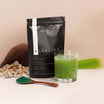
Antioxi sources premium Turkey Tail mushroom and presents it in a carefully formulated supplement designed for ease and consistency. Available through the Antioxi app, the supplement is crafted to reflect the quality and integrity that this historically revered mushroom deserves, offering New Zealanders a simple way to include Turkey Tail as part of their daily food routine.
→ Download the Antioxi app: Apple App Store | Google Play
Frequently Asked Questions
What is Turkey Tail mushroom?
Turkey Tail is the common name for Trametes versicolor, a bracket fungus known for its fan-shaped fruiting bodies and striking concentric rings of colour. It grows on decaying hardwood and is found in forests across the world, including throughout New Zealand. It has a long history in traditional practices, particularly in East Asian cultures.
Does Turkey Tail mushroom grow in New Zealand?
Yes, Turkey Tail mushroom grows widely across New Zealand. It is commonly found on fallen logs and decaying stumps in both native and plantation forests throughout the North and South Islands. New Zealand's temperate, moist forest environments are well suited to this species.
How is Turkey Tail mushroom used as a supplement?
Turkey Tail is most commonly used in supplement form as a powder, capsule, or extract derived from the dried fruiting body or mycelium of Trametes versicolor. It can be taken on its own or blended with other functional mushrooms. As a food supplement, it is typically incorporated into a daily routine in the same way as other dietary supplements.
What does Turkey Tail mushroom look like?
Turkey Tail mushroom has distinctive fan-shaped or bracket-shaped fruiting bodies that grow in overlapping clusters on wood. Its upper surface features concentric rings of colour in shades of cream, tan, brown, rust, and grey, with a slightly velvety texture. The underside is pale with tiny pores rather than gills, which helps distinguish it from lookalike species.
What is the history of Turkey Tail mushroom in traditional culture?
Turkey Tail has been prized for centuries in East Asian cultures, particularly in traditional Chinese and Japanese practices, where it has been used and revered as a valued natural resource for a very long time. In China it is known as Yun Zhi, meaning cloud mushroom, and in Japan it is called Kawaratake. Its colourful appearance and widespread presence in nature have made it a symbol of longevity and natural vitality in several cultural traditions.
Where can I find Turkey Tail mushroom extract supplements in New Zealand?
Antioxi is a leading supplier of premium functional mushroom extracts, trusted by customers in New Zealand and around the world. Our Turkey Tail supplement is available exclusively through the Antioxi app, downloadable on the Apple App Store and Google Play.
Kostenloser Versand ab 50 €
PREMIUM-Kundensupport
Geprüft, verifiziert und zertifiziert
30 Tage Geld-zurück-Garantie