











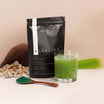




Turkey Tail Mushroom in USA
Turkey Tail is one of the most recognizable wild mushrooms in North America, known for its striking fan-shaped caps and vivid bands of color that closely resemble the fanned tail feathers of a wild turkey. In the United States, it is commonly called by that same evocative name, Turkey Tail, a label that has stuck for generations among foragers, naturalists, and wellness enthusiasts alike. Found growing on fallen logs and stumps across forests from coast to coast, this mushroom has long captured the curiosity of those who spend time in the American outdoors.
Beyond its visual appeal, Turkey Tail has a rich history in traditional practices stretching back centuries, particularly in East Asian cultures where it has been prized as a valued botanical. In more recent decades, interest in Turkey Tail has grown considerably in the United States, where it has found a place in the expanding world of functional mushroom supplements. Antioxi brings this traditionally celebrated fungus to American audiences in an accessible, modern format.
ABOUT TURKEY TAIL
Turkey Tail belongs to the species Trametes versicolor, a name that translates loosely to "of many colors," a fitting description for a mushroom that displays concentric rings of brown, tan, rust, cream, and occasionally blue or green tones. It is a member of the Polyporaceae family and is classified as a bracket fungus, meaning it grows outward from its substrate in shelf-like formations rather than producing a traditional stem and cap.
The fruiting bodies of Trametes versicolor are thin, leathery, and tough, typically measuring between two and eight centimeters across. The upper surface features the characteristic banded coloration, while the underside is pale and covered in tiny pores rather than gills. These pores are a key identification feature that distinguishes true Turkey Tail from look-alike species such as Stereum ostrea, which lacks the pore surface.
Turkey Tail thrives on dead and decaying hardwood trees, making it one of the most common wood-rotting fungi in temperate forests worldwide. It is found across North America, Europe, and Asia, flourishing in environments where oak, beech, maple, and other deciduous trees are present. In the wild, it plays an important ecological role as a decomposer, breaking down lignin and cellulose and returning nutrients to forest soils.
TURKEY TAIL IN USA
In the United States, Turkey Tail is a familiar sight in forests across all regions, from the dense hardwood forests of the Northeast and Appalachian Mountains to the Pacific Northwest and the woodlands of the Southeast. American foragers have long been acquainted with this mushroom, and it has become one of the gateway species for people learning to identify wild fungi, thanks to its distinctive appearance and widespread availability.
Cultural awareness of Turkey Tail as more than a forest curiosity has grown steadily in the US over recent decades. The mushroom has become a staple in the American functional food and supplement market, where it is consumed in the form of capsules, powders, and teas. Its long history in traditional East Asian practice has lent it a sense of heritage and credibility among American consumers who seek out time-honored botanical ingredients.
ANTIOXI'S TURKEY TAIL
Antioxi offers Turkey Tail as a carefully prepared functional mushroom supplement, available through the Antioxi app. The formulation is designed to make incorporating this traditionally prized mushroom into a daily routine straightforward and convenient, whether as a standalone supplement or as part of a broader functional mushroom practice. Antioxi is committed to quality sourcing and transparency, so users can feel confident about what they are adding to their wellness routine.
→ Download the Antioxi app: Apple App Store | Google Play
Frequently Asked Questions
What is Turkey Tail mushroom?
Turkey Tail is the common name for Trametes versicolor, a bracket fungus found on dead and decaying hardwood trees throughout North America and around the world. It is named for its fan-shaped fruiting bodies, which display concentric bands of color resembling the tail feathers of a wild turkey. It is one of the most widely distributed and easily recognized wild mushrooms in the United States.
Where does Turkey Tail mushroom grow in the USA?
Turkey Tail mushroom grows throughout the United States, appearing on fallen logs, dead stumps, and decaying branches of hardwood trees such as oak, maple, and beech. It is found in forests across all regions of the country, including the Northeast, the Pacific Northwest, the Southeast, and the Midwest, and is active across multiple seasons, often persisting well into autumn and winter.
How is Turkey Tail mushroom used as a supplement?
In the United States, Turkey Tail is most commonly consumed as a dietary supplement in the form of capsules, powders, or teas made from the dried and processed fruiting body or mycelium of the mushroom. It is available through a growing number of functional mushroom brands and wellness retailers, reflecting the broader American interest in traditional botanical ingredients.
What does Turkey Tail mushroom look like?
Turkey Tail mushrooms are thin, leathery, and fan-shaped, growing in overlapping shelf-like clusters on wood. The upper surface displays striking concentric rings of color in shades of brown, tan, rust, cream, and sometimes blue or green. The underside is pale and covered in tiny pores rather than gills. These features, particularly the pore surface, help distinguish genuine Turkey Tail from similar-looking species.
How long has Turkey Tail mushroom been used traditionally?
Turkey Tail has a documented history of use in traditional practices spanning several centuries, particularly in East Asian cultures including China and Japan, where it has been prized as a valued botanical ingredient. The mushroom appears in historical texts and traditional records, and its long-standing cultural significance has contributed to the widespread interest it enjoys in the modern functional food and supplement market.
Where can I find Turkey Tail mushroom extract supplements in USA?
Antioxi is a leading supplier of premium functional mushroom extracts, trusted by customers in USA and around the world. Our Turkey Tail supplement is available exclusively through the Antioxi app, downloadable on the Apple App Store and Google Play.
Kostenloser Versand ab 50 €
PREMIUM-Kundensupport
Geprüft, verifiziert und zertifiziert
30 Tage Geld-zurück-Garantie