











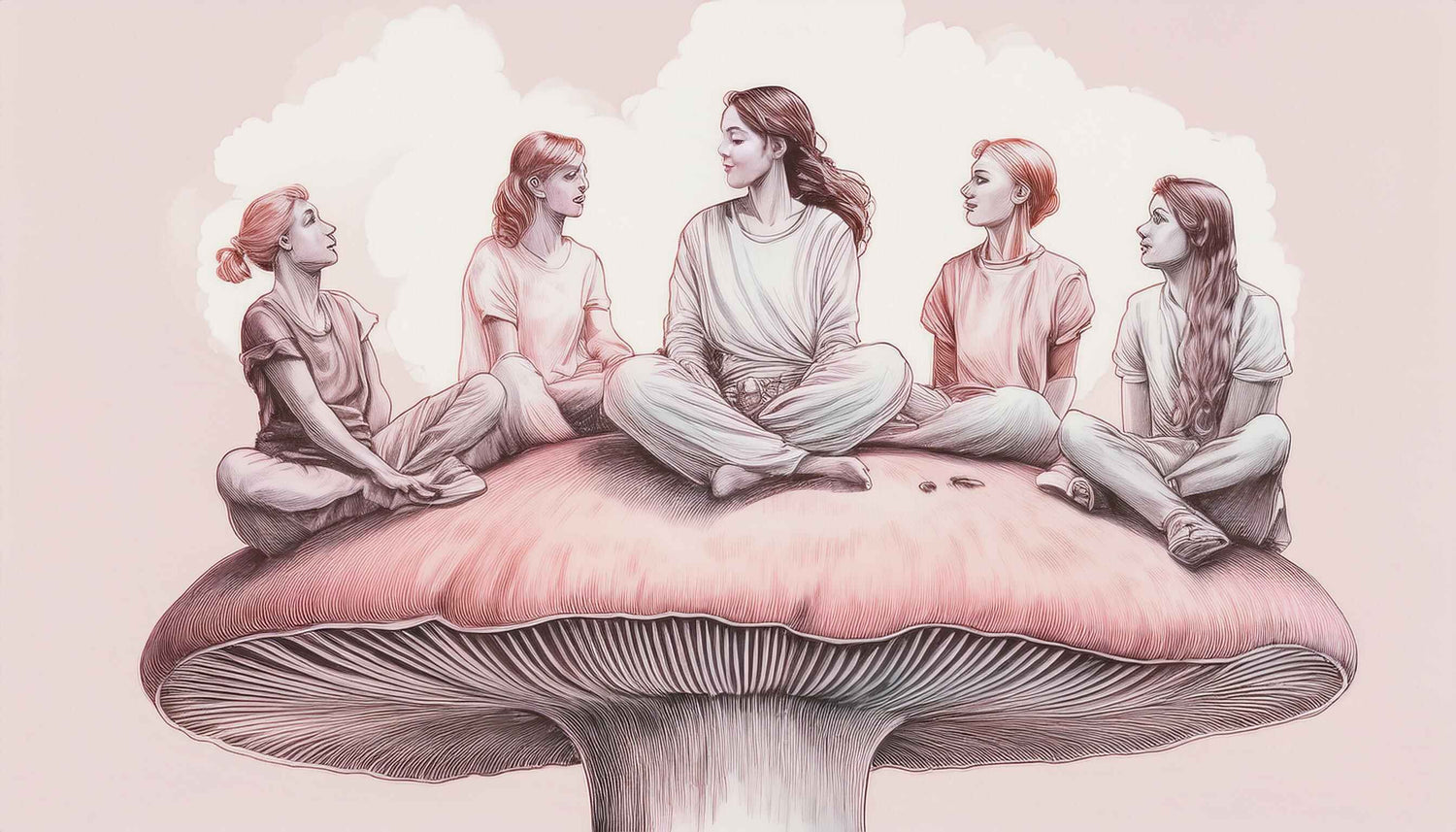
Featured Snippet: Can Lion’s Mane support mental wellbeing?
Lion’s Mane mushroom is being studied for cognition, mood, stress and sleep, but it is not a treatment for anxiety, depression or any mental health condition. Small human studies suggest possible benefits for mood, stress or cognitive performance, while animal and cell research explores mechanisms such as nerve growth factor, BDNF and neuroinflammation. More high-quality human research is needed.
Mental health challenges are common worldwide. WHO reports that 970 million people were living with a mental disorder in 2019, with anxiety and depression among the most common. Depression and anxiety also have a major workplace impact, with an estimated 12 billion working days lost each year globally.
Support for mental wellbeing should always start with the basics: professional help when needed, social connection, sleep, movement, nutrition, stress management and evidence-based care. Supplements such as Lion’s Mane and Reishi may have a place in a broader wellness routine for some people, but they should never replace therapy, medication, crisis support, or advice from a qualified healthcare professional.
-
What you'll learn about in this article:
Why It Matters
Mental wellbeing content needs extra care. People searching for help may be anxious, low, exhausted or vulnerable. A supplement blog should not promise relief from depression or anxiety. The safer and more useful approach is to explain what early research shows, what it does not show, and when professional support matters.
Mental Health Context: Why People Look for Extra Support
Mental health is influenced by biology, life experiences, relationships, social support, physical health, sleep, work, finances and access to care. There is rarely one single cause.
Common pressure points
- Chronic stress.
- Work pressure or burnout.
- Financial insecurity.
- Caregiving responsibilities.
- Loneliness or social isolation.
Health and lifestyle factors
- Poor sleep.
- Low physical activity.
- Chronic pain or illness.
- Alcohol or substance misuse.
- Inconsistent nutrition.
Life experience factors
- Trauma or adverse childhood experiences.
- Discrimination or stigma.
- Relationship stress.
- Grief, loss or major life change.
- Limited access to support.
Signs Your Mental Health May Need More Support
Everyone has difficult days. But symptoms that continue for weeks, affect daily life, or feel unmanageable deserve proper support.
| Sign | What it can look like | Useful next step |
|---|---|---|
| Persistent low mood | Feeling sad, hopeless, tearful, numb or losing interest in things you usually enjoy. | Speak to a GP or mental health professional if it continues or affects daily life. |
| Anxiety or panic | Feeling tense, panicky, restless, worried, overwhelmed or unable to switch off. | Seek support, especially if symptoms interfere with work, sleep or relationships. |
| Sleep disruption | Difficulty falling asleep, waking often, sleeping too much, or waking unrefreshed. | Work on sleep routines and ask for help if sleep problems persist. |
| Difficulty concentrating | Brain fog, forgetfulness, poor focus, reduced productivity or decision fatigue. | Check sleep, stress, workload and health factors before assuming one cause. |
| Thoughts of self-harm | Feeling unsafe, wanting to disappear, or thinking about harming yourself. | Seek urgent help immediately. Call emergency services or a crisis helpline. |
Lion’s Mane Mushroom and Brain Health Research

Lion’s Mane, or Hericium erinaceus, is an edible mushroom studied for brain health, cognition, stress, mood and nerve-related pathways. Its most discussed compounds include hericenones and erinacines, which are studied for their relationship with nerve growth factor and other neurobiological pathways.
That does not mean Lion’s Mane treats mental health conditions. The evidence is still developing, and many findings come from small human studies, animal studies, cell studies, or specific extracts that may not match every product on the market.
What human studies suggest
Small studies have explored Lion’s Mane for mood, sleep, stress and cognition. Some results are promising, but they are not strong enough to claim treatment effects for anxiety or depression.
What animal studies explore
Animal studies explore mechanisms such as neurogenesis, inflammation, neurotransmitter pathways and stress responses. These can guide research, but they do not prove human outcomes.
What customers should check
Look for clear species, extract type, serving size, beta-glucan testing, contaminants screening and responsible claims. Avoid products promising to treat anxiety or depression.
Four Research Mechanisms Linked to Lion’s Mane
The original article focused on four mechanisms: hippocampal neurogenesis, neurotrophic factors, neuroinflammation and neurotransmitters. These are useful research topics, but they need careful wording.
| Mechanism | What research explores | Careful interpretation |
|---|---|---|
| Hippocampal neurogenesis | Animal research has explored whether Lion’s Mane compounds influence new nerve cell growth in brain regions linked to memory and mood. | This does not prove a supplement treats depression or anxiety in humans. |
| NGF and BDNF pathways | Hericenones and erinacines are studied for possible effects on nerve growth factor and brain-derived neurotrophic factor pathways. | These mechanisms are interesting, but product quality, dose and human relevance matter. |
| Neuroinflammation | Preclinical studies explore inflammatory markers in the brain and nervous system. | Anti-inflammatory mechanisms in a study do not equal a mental health treatment claim. |
| Monoamine neurotransmitters | Animal studies may examine serotonin, dopamine and norepinephrine changes under stress models. | This should not be translated into claims that Lion’s Mane corrects neurotransmitter imbalance. |
Evidence-aware takeaway
Lion’s Mane is an interesting mushroom for brain health research. The strongest customer-facing wording is around focus, cognitive performance, stress-related research and general wellbeing. Avoid wording that suggests treatment of depression, anxiety, ADHD, trauma or other mental health conditions.
Reishi: A Calming Routine Companion to Lion’s Mane
Reishi, or Ganoderma lucidum, is often used in evening routines because it is traditionally associated with calm and restoration. It is also studied for immune, stress and sleep-related pathways.
For mental wellbeing content, Reishi should be positioned carefully. It may be discussed as part of a relaxation or sleep-support routine, but it should not be claimed to treat anxiety, depression, insomnia or stress-related disorders.

Best content fit
Evening routines, sleep hygiene, winding down and general stress-aware wellbeing.
Evidence caution
Much Reishi research is preclinical, product-specific or not directly related to mental health outcomes.
Safety caution
Reishi may not be suitable with blood thinners, immunosuppressants, cancer treatment, surgery plans, pregnancy or breastfeeding without professional advice.
Lion’s Mane vs Reishi for Mental Wellbeing Routines
Lion’s Mane and Reishi can sit in different parts of a general wellbeing routine. The key is to match the mushroom to a realistic goal rather than expecting one supplement to solve complex mental health symptoms.
| Mushroom | Common routine focus | Best time to consider | Claim caution |
|---|---|---|---|
| Lion’s Mane | Focus, cognitive performance, mental clarity and brain health research. | Morning or early day routines for many users. | Do not claim it treats depression, anxiety, ADHD or cognitive disorders. |
| Reishi | Evening routines, relaxation, sleep hygiene and stress-aware wellbeing. | Evening routines for many users. | Do not claim it treats anxiety, insomnia or stress disorders. |
| Both together | A day and night routine, with Lion’s Mane earlier and Reishi later. | Only if both are suitable for the individual. | Check medication, health conditions and product quality first. |
Quick Practical Check-In
If you only remember three things from this guide, remember these:
- Lion’s Mane and Reishi are not treatments for anxiety, depression or mental health conditions.
- Early research is interesting, but product quality, safety and professional support matter more than marketing claims.
- If mental health symptoms are persistent, worsening, or affect daily life, speak to a qualified healthcare professional.
Who Should Be Careful With Mushroom Supplements?
Mushroom supplements are not suitable for everyone. The more complex your health situation, the more important it is to check with a healthcare professional first.
Mental health treatment
Do not stop therapy, antidepressants, anti-anxiety medication, sleep medication, or any prescribed treatment to try a supplement.
Medication use
Ask a doctor or pharmacist if you take blood thinners, diabetes medication, immunosuppressants, sedatives, psychiatric medication or regular prescriptions.
Pregnancy or breastfeeding
Safety data is limited, so speak to a healthcare professional before using mushroom supplements while pregnant or breastfeeding.
Surgery
Tell your healthcare provider about all supplements before surgery. Some supplements may affect bleeding risk, sedation or medication plans.
Mushroom allergy
Avoid mushroom supplements if you have a mushroom allergy or have reacted badly to mushroom products before.
Severe symptoms
If you feel unsafe, suicidal, extremely anxious, confused, or unable to function, seek urgent professional support instead of relying on supplements.
Choosing the Right Mushroom Supplement
For mental wellbeing content, supplement quality matters. A vague “brain mushroom” product is not enough. Customers should be able to see what they are taking, why it is included and how it is tested.
Check the species
Look for Hericium erinaceus for Lion’s Mane and Ganoderma lucidum or the exact Reishi species used.
Check the extract type
Look for whether the product uses fruiting body, mycelium, extract powder, whole mushroom powder, capsule, powder or tincture.
Check the testing
Look for beta-glucans, alpha-glucans, heavy metals, pesticides, microbials and published third-party lab reports.
Quality checklist
- Clear mushroom species listed.
- Serving size stated clearly.
- Extract type explained.
- Beta-glucan and alpha-glucan information available where relevant.
- Third-party lab testing available.
- Heavy metals, pesticides, microbials and contaminants considered.
- No exaggerated mental health treatment claims.
- Clear warnings for medication, pregnancy, surgery and health conditions.
You can learn more about Antioxi’s approach to testing, potency and transparency on our quality standards page.
Frequently Asked Questions
Choose your category
Mental Wellbeing Basics
Can Lion’s Mane treat anxiety or depression?
No. Lion’s Mane should not be described as a treatment for anxiety, depression or any mental health condition. Some studies explore mood, stress and sleep, but the evidence is not strong enough for treatment claims.
What should I do if I feel anxious or depressed?
If symptoms persist, worsen or affect daily life, speak to a healthcare professional. If you feel unsafe or at risk of self-harm, seek urgent help immediately through emergency services or a crisis helpline.
Can supplements replace therapy or medication?
No. Do not stop prescribed medication, therapy or other mental health care to try a supplement. Supplements should only be considered as optional support within a broader wellbeing plan.
Lion’s Mane and Reishi
What is Lion’s Mane most commonly used for?
Lion’s Mane is commonly used in routines focused on cognition, focus and brain health. Research also explores stress, mood and sleep, but claims should stay cautious and evidence-aware.
What is Reishi most commonly used for?
Reishi is often used in evening routines focused on calm, relaxation and sleep hygiene. It should not be claimed to treat anxiety, depression or insomnia.
Can I take Lion’s Mane and Reishi together?
Some people use Lion’s Mane earlier in the day and Reishi later in the day. Suitability depends on your health, medication use, product quality and individual tolerance.
Safety and Quality
Who should speak to a healthcare professional first?
Speak to a healthcare professional if you are pregnant, breastfeeding, taking medication, managing a mental health condition, preparing for surgery, have a mushroom allergy, or are using prescribed treatments.
What should I check before buying a mushroom supplement?
Check the species, extract type, serving size, beta-glucan and alpha-glucan information, contaminants testing, published lab reports and whether the brand avoids exaggerated treatment claims.
Is there a standard dose for Lion’s Mane or Reishi?
There is no universal dose that fits everyone. Follow the product label, start cautiously, and ask a healthcare professional if you take medication or have a health condition.
Final Takeaway
Lion’s Mane and Reishi are interesting mushrooms for mental wellbeing research and daily wellness routines. Lion’s Mane is most relevant to cognition, focus, mood and stress research, while Reishi is better positioned around evening routines, relaxation and sleep hygiene.
But the most important point is this: mushrooms are not mental health treatments. If you are struggling, professional support matters. If you choose to use mushroom supplements, choose transparent products with clear ingredients, published testing and responsible claims.
References
- World Health Organization. Mental health. WHO reports that 970 million people globally were living with a mental disorder in 2019, with anxiety and depression among the most common. https://www.who.int/health-topics/mental-health
- World Health Organization. Mental health at work. WHO reports an estimated 12 billion working days are lost every year to depression and anxiety. https://www.who.int/news-room/fact-sheets/detail/mental-health-at-work
- NHS. Mental health services. Guidance on where to get urgent help, including emergency support and NHS 111. https://www.nhs.uk/nhs-services/mental-health-services/
- NHS. Get help with low mood, sadness or depression. Overview of low mood symptoms and when to seek help. https://www.nhs.uk/mental-health/feelings-symptoms-behaviours/feelings-and-symptoms/low-mood-sadness-depression/
- NHS. Symptoms of depression in adults. Explains that symptoms can persist for weeks or months and affect work, social and family life. https://www.nhs.uk/mental-health/conditions/depression-in-adults/symptoms/
- Docherty S, Doughty FL, Smith EF. The acute and chronic effects of Lion’s Mane mushroom supplementation on cognitive function, stress and mood in young adults. Nutrients. 2023. Small human trial with cautious findings. https://pmc.ncbi.nlm.nih.gov/articles/PMC10675414/
- Nagano M, Shimizu K, Kondo R, et al. Reduction of depression and anxiety by 4 weeks Hericium erinaceus intake. Biomedical Research. 2010. Small human study in women, not enough for treatment claims. https://pubmed.ncbi.nlm.nih.gov/20834180/
- Vigna L, Morelli F, Agnelli GM, et al. Hericium erinaceus improves mood and sleep disorders in patients affected by overweight or obesity. Nutrients. 2019. Human study exploring mood, sleep and BDNF markers. https://pmc.ncbi.nlm.nih.gov/articles/PMC6500611/
- Mori K, Inatomi S, Ouchi K, Azumi Y, Tuchida T. Improving effects of the mushroom Yamabushitake on mild cognitive impairment. Phytotherapy Research. 2009. Double-blind placebo-controlled study in older adults with mild cognitive impairment. https://pubmed.ncbi.nlm.nih.gov/18844328/
- Li IC, et al. Prevention of early Alzheimer’s disease by erinacine A-enriched Hericium erinaceus mycelia pilot double-blind placebo-controlled study. Frontiers in Aging Neuroscience. 2020. Early clinical research, disease-specific and not general supplement proof. https://pmc.ncbi.nlm.nih.gov/articles/PMC7283924/
- Chong PS, et al. Therapeutic potential of Hericium erinaceus for depressive disorder. International Journal of Molecular Sciences. 2019. Review article discussing preclinical and early clinical evidence. https://pmc.ncbi.nlm.nih.gov/articles/PMC6982118/
- Chong PS, et al. Neurogenesis-dependent antidepressant-like activity of Hericium erinaceus in an animal model. International Journal of Molecular Sciences. 2021. Preclinical research, not proof of human treatment benefit. https://pmc.ncbi.nlm.nih.gov/articles/PMC8650354/
- Memorial Sloan Kettering Cancer Center. Reishi mushroom. Safety cautions, including blood thinners, immunosuppressants and cancer treatment context. https://www.mskcc.org/cancer-care/integrative-medicine/herbs/reishi-mushroom
Continue Exploring
Want help choosing a mushroom product or understanding supplement quality? Explore Antioxi resources below.

Leave a comment
All comments are moderated before being published.
This site is protected by hCaptcha and the hCaptcha Privacy Policy and Terms of Service apply.