















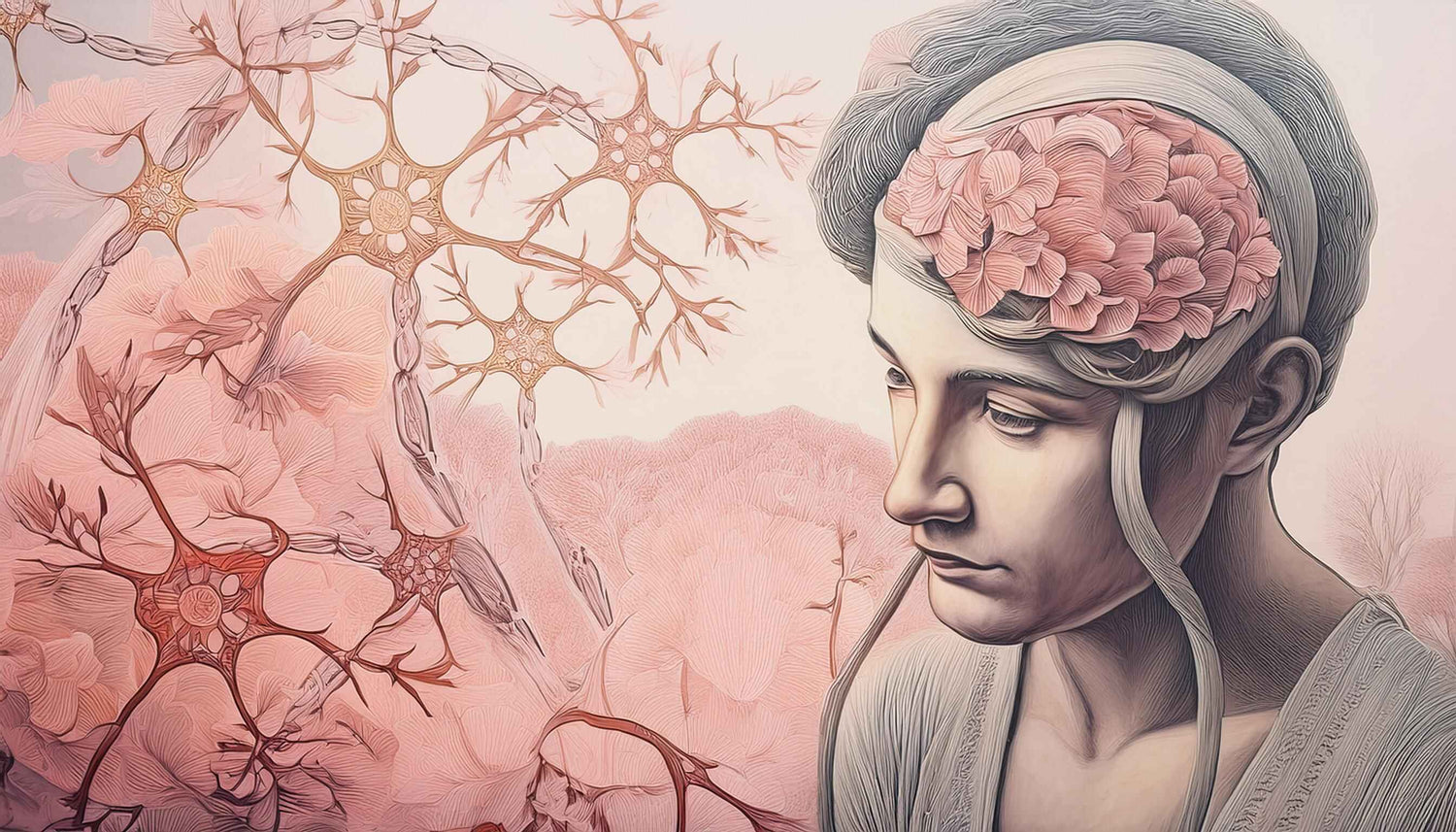
Featured Snippet: Can Lion’s Mane help with multiple sclerosis?
There is no good clinical evidence that Lion’s Mane treats multiple sclerosis, repairs myelin in people with MS, prevents relapses, or replaces MS medication. Lion’s Mane is being studied for nerve health, cognition, nerve growth factor and brain-related pathways, but most evidence is preclinical or from small human studies not specific to MS. People with MS should speak to their neurologist, MS nurse or GP before using any supplement.
Multiple sclerosis, often called MS, is a lifelong condition that affects the brain and spinal cord. It can cause symptoms such as fatigue, vision changes, numbness, tingling, balance problems, mobility difficulties and cognitive changes.
Lion’s Mane mushroom is often discussed online for nerve health and brain support. That makes it tempting to connect it with MS, a condition involving myelin damage and nerve signalling problems. But the evidence needs to be handled carefully. This guide explains what MS is, what current treatment involves, what Lion’s Mane research can and cannot say, and how to choose supplements safely if you are considering them as part of a general wellness routine.
What you'll learn about in this article:
Why It Matters
People with MS are often searching for extra ways to support energy, cognition, nerve health and quality of life. That is understandable, but MS is a serious neurological condition. Content about supplements must not imply that a mushroom can repair myelin, slow disease progression, reduce relapses, or replace clinical care unless that is proven in people with MS.
What Is Multiple Sclerosis?
Multiple sclerosis is a condition of the central nervous system, which includes the brain and spinal cord. In MS, the immune system mistakenly attacks myelin, the protective covering around nerve fibres. This can disrupt messages travelling between the brain and the rest of the body.
MS can affect people differently. Some people have periods of relapse and recovery, while others experience gradual progression over time. Symptoms can come and go, change, or build gradually.
| MS feature | What it means | Why it matters |
|---|---|---|
| Central nervous system | MS affects the brain and spinal cord. | This is why symptoms can involve vision, movement, sensation, balance and cognition. |
| Myelin damage | The immune system damages the protective covering around nerve fibres. | Damaged myelin can slow or disrupt nerve signals. |
| Variable symptoms | No two people with MS experience it in exactly the same way. | Support and treatment need to be personalised. |
What Causes MS?
The exact cause of MS is not fully understood. Research suggests it is linked to a combination of immune system activity, genetics and environmental factors. MS is not directly inherited in a simple way, and it is not contagious.
Immune system activity
MS is usually described as an autoimmune or immune-mediated condition because the immune system attacks myelin in the central nervous system.
Genetic susceptibility
Having a close relative with MS can increase risk, but most people with MS do not have a parent or sibling with the condition.
Environmental factors
Research has linked MS risk with factors such as Epstein-Barr virus infection, low vitamin D, smoking and adolescent obesity.
What Are the Symptoms of MS?
MS symptoms can vary depending on which parts of the central nervous system are affected. They can also change over time.
Energy and movement
- Fatigue.
- Muscle weakness.
- Stiffness or spasms.
- Walking or mobility difficulties.
Sensation and balance
- Numbness or tingling.
- Burning or unusual sensations.
- Balance problems.
- Dizziness or coordination issues.
Vision and cognition
- Blurred or double vision.
- Pain with eye movement.
- Brain fog.
- Memory, attention or processing-speed difficulties.
Bladder and bowel
- Urgency.
- Frequency.
- Incontinence.
- Bowel control changes.
Current Treatments for MS
There is currently no cure for MS, but treatments and support can help reduce relapses, manage symptoms, support function and improve quality of life. The right plan depends on the type of MS, symptoms, relapse history, MRI findings and individual circumstances.
| Treatment area | What it does | Who guides it? |
|---|---|---|
| Disease-modifying therapies | Can reduce relapse frequency or severity in some types of MS. | Neurologist and MS specialist team. |
| Relapse treatment | Steroids may be used for some relapses to reduce inflammation and speed recovery. | MS team, GP, neurologist or specialist nurse. |
| Symptom management | May include medicines and therapies for pain, spasticity, bladder symptoms, fatigue, mood or cognition. | MS team and relevant specialists. |
| Rehabilitation | Physiotherapy, occupational therapy, speech therapy and exercise support may help function and independence. | Rehabilitation and therapy teams. |

The Role of Lion’s Mane in MS: What the Evidence Can and Cannot Say
What Is Lion’s Mane?
Lion’s Mane, or Hericium erinaceus, is an edible mushroom that grows in parts of Asia, Europe and North America. It is often studied for nerve health, cognition and brain-related pathways.

The most discussed Lion’s Mane compounds include hericenones and erinacines. These compounds are studied for their possible relationship with nerve growth factor, brain-derived neurotrophic factor and neuroprotective pathways.
Is there human evidence for Lion’s Mane in people with MS?
At the time of this rewrite, the evidence commonly cited for Lion’s Mane and MS is not strong clinical evidence in people with MS. Much of the discussion comes from animal studies, cell studies, nerve injury studies, cognitive studies in other groups, and mechanistic research.
That research may be scientifically interesting, but it does not prove that Lion’s Mane improves MS symptoms, repairs MS-related myelin damage, reduces relapses, or slows progression.
Nerve Health Mechanisms Often Discussed With Lion’s Mane
The original article focused on nerve growth, NGF, BDNF and remyelination. These are valid research topics, but they should be framed carefully.
| Research topic | What studies explore | Careful interpretation |
|---|---|---|
| Nerve growth factor | Some Lion’s Mane compounds are studied for effects on nerve growth factor pathways. | This does not prove MS symptom improvement in humans. |
| BDNF and neurotrophic pathways | Studies explore brain-derived neurotrophic factor and related signalling pathways. | Mechanisms do not equal clinical benefit. |
| Nerve injury research | Some animal and review data examine nerve regeneration after injury. | Peripheral nerve injury is not the same as MS-related central nervous system demyelination. |
| Oligodendrocyte and myelin research | Preclinical studies explore myelin-related cells and demyelinating-disease models. | This is early research and should not be presented as proven remyelination in people with MS. |
| Cognition and brain fog | Small human studies have explored cognition, mood or sleep in non-MS groups. | These findings cannot be automatically applied to MS brain fog. |
Responsible takeaway
Lion’s Mane may be discussed as a mushroom of interest for brain and nerve-health research. The safest wording is that evidence is early, human MS-specific data is limited, and people with MS should speak to their healthcare team before using supplements.
What We Cannot Claim About Lion’s Mane and MS
For a medical condition like MS, supplement wording needs to be very careful. The following claims should be avoided unless supported by strong clinical evidence in people with MS.
| Avoid saying | Safer wording |
|---|---|
| Lion’s Mane helps MS. | Lion’s Mane is being studied for nerve-health pathways, but it is not an MS treatment. |
| Lion’s Mane repairs myelin. | Some preclinical research explores myelin-related pathways, but human MS evidence is not established. |
| Lion’s Mane manages MS symptoms. | People with MS should discuss symptoms with their MS team. Lion’s Mane may be considered only as optional general wellness support. |
| Lion’s Mane is a natural alternative to MS medication. | Lion’s Mane should never replace DMTs, relapse treatment, rehabilitation, physiotherapy or prescribed care. |
| Lion’s Mane reduces anxiety and depression in MS. | Small studies in other groups explore mood and stress, but this is not proof for MS-related mental health symptoms. |
Quick Practical Check-In
If you only remember three things from this guide, remember these:
- Lion’s Mane is not a treatment for MS and should not replace MS medication or clinical care.
- Research around nerve growth, NGF, BDNF and myelin is interesting, but mostly early-stage or not specific to people with MS.
- If you have MS and want to use supplements, speak to your neurologist, MS nurse, GP or pharmacist first.
Side Effects and Safety: Who Should Be Careful?
Lion’s Mane may be well tolerated by many people, but supplement safety depends on the product, dose, extract type, health history and medication use. People with MS often have complex treatment plans, so professional guidance matters.
MS medication or DMTs
Speak to your MS team before using supplements alongside disease-modifying therapies, steroids, symptom medication or immune-related treatments.
Relapse or new symptoms
Do not use supplements to self-manage a relapse or new neurological symptoms. Contact your MS team or healthcare professional.
Pregnancy or breastfeeding
Safety data for concentrated mushroom supplements is limited. Ask a healthcare professional before use.
Blood-thinning medication
Ask a doctor or pharmacist before using Lion’s Mane if you take anticoagulants, antiplatelets, or have bleeding concerns.
Surgery
Tell your healthcare provider about all supplements before surgery. Some supplements may affect bleeding risk or medication plans.
Mushroom allergy or asthma
Avoid Lion’s Mane if you have a mushroom allergy. If you have asthma or allergic conditions, speak to a healthcare professional before trying mushroom supplements.
Choosing the Right Lion’s Mane Supplement
If you are considering Lion’s Mane as part of a general wellness routine, product quality matters. A vague “brain health” label is not enough.
Check the species
Look for Hericium erinaceus, not just “mushroom blend” or “brain mushroom.”
Check the extract type
Look for whether the product uses fruiting body, mycelium, whole mushroom powder, extract powder, tincture, capsule or powder.
Check the testing
Look for beta-glucans, alpha-glucans, heavy metals, pesticides, microbials and published third-party lab reports.

Quality checklist
- Clear mushroom species listed.
- Serving size stated clearly.
- Extract type explained.
- Beta-glucan and alpha-glucan information available where relevant.
- Third-party lab testing available.
- Heavy metals, pesticides, microbials and contaminants considered.
- No exaggerated MS, myelin repair, nerve repair or treatment claims.
- Clear warnings for medication, pregnancy, surgery, allergies and health conditions.
You can learn more about Antioxi’s approach to testing, potency and transparency on our quality standards page.
How to Use Lion’s Mane Responsibly
There is no universal Lion’s Mane dose that is proven for MS. If you choose to use Lion’s Mane, follow the product label, start cautiously, and check with a healthcare professional if you have MS, take medication, or have other health conditions.
| Responsible step | Why it matters |
|---|---|
| Ask your MS team first | They can check your medication, treatment plan and safety considerations. |
| Use one new supplement at a time | This makes it easier to spot side effects or tolerance issues. |
| Track symptoms separately from supplements | MS symptoms naturally fluctuate, so tracking helps avoid false assumptions. |
| Do not change prescribed treatment | Stopping or delaying MS treatment can have serious consequences. |
Frequently Asked Questions
Choose your category
MS Basics
What is multiple sclerosis?
Multiple sclerosis is a lifelong condition affecting the brain and spinal cord. It involves immune-related damage to myelin, which can disrupt nerve signalling and cause a wide range of symptoms.
What are common MS symptoms?
Symptoms can include fatigue, vision problems, numbness, tingling, weakness, balance issues, mobility problems, bladder or bowel symptoms, pain and cognitive changes.
Can MS be treated?
There is currently no cure for MS, but disease-modifying therapies, relapse treatment, symptom management and rehabilitation can help many people. Treatment should be guided by an MS specialist team.
Lion’s Mane and MS
Can Lion’s Mane treat MS?
No. Lion’s Mane is not a treatment for MS and should not replace disease-modifying therapies, steroids, physiotherapy, rehabilitation or prescribed medication.
Can Lion’s Mane repair myelin?
Some preclinical research explores myelin-related and nerve-health pathways, but this is not proof that Lion’s Mane repairs myelin in people with MS.
Can Lion’s Mane help MS brain fog?
Small human studies have explored cognition in non-MS groups, but this does not prove benefit for MS-related brain fog. Speak to your MS team about cognitive symptoms.
Safety and Quality
Should I ask my doctor before taking Lion’s Mane if I have MS?
Yes. Speak to your neurologist, MS nurse, GP or pharmacist before using Lion’s Mane, especially if you take MS medication, steroids, blood thinners, immune-related medication or other prescriptions.
What should I check before buying Lion’s Mane?
Check the species, extract type, serving size, beta-glucan and alpha-glucan information, contaminant testing, published lab reports and whether the brand avoids exaggerated treatment claims.
Is there a proven Lion’s Mane dose for MS?
No. There is no proven Lion’s Mane dose for MS. Follow product directions and speak to a healthcare professional before use if you have MS or take medication.
Final Takeaway
MS is a complex neurological condition that needs proper medical care, monitoring and individual treatment planning. Lion’s Mane is an interesting mushroom for brain and nerve-health research, but the evidence does not prove that it treats MS, repairs myelin, improves MS symptoms, or slows disease progression.
If you have MS and are interested in Lion’s Mane, treat it as an optional supplement discussion, not a treatment strategy. Speak to your MS team first, choose transparent products, and avoid any brand that makes bold MS treatment claims.
References
- NHS. Multiple sclerosis. Overview of MS symptoms, causes, diagnosis, treatment and support. https://www.nhs.uk/conditions/multiple-sclerosis/
- NHS inform. Multiple sclerosis. Overview of MS as a condition affecting the brain and spinal cord, symptoms and treatments. https://www.nhsinform.scot/illnesses-and-conditions/brain-nerves-and-spinal-cord/multiple-sclerosis-ms/
- NICE. Multiple sclerosis in adults: management. NICE guideline NG220, last reviewed March 2026. https://www.nice.org.uk/guidance/ng220
- MS Society. Disease modifying therapies for MS. Explains that DMTs can reduce how many MS relapses someone has and how serious they are. https://www.mssociety.org.uk/living-with-ms/treatments-and-therapies/disease-modifying-therapies
- MS Society. Cognitive problems in MS. Guidance on memory, thinking and concentration difficulties in MS. https://www.mssociety.org.uk/about-ms/signs-and-symptoms/memory-and-thinking/cognitive-problems-in-ms
- MS Society. Physiotherapy for multiple sclerosis. Overview of physiotherapy, exercise and movement support in MS. https://www.mssociety.org.uk/living-with-ms/treatments-and-therapies/physiotherapy
- Alfredsson L, Olsson T. Lifestyle and environmental factors in multiple sclerosis. Cold Spring Harbor Perspectives in Medicine. 2019. Review of EBV, smoking, vitamin D, sun exposure and obesity risk associations. https://pmc.ncbi.nlm.nih.gov/articles/PMC6444694/
- Hedström AK, et al. Risk factors for multiple sclerosis in the context of Epstein-Barr virus infection. Frontiers in Immunology. 2023. Review of EBV and other environmental risk factors. https://pmc.ncbi.nlm.nih.gov/articles/PMC10406387/
- Cortese M, et al. Vitamin D, smoking, EBV and long-term cognitive performance in MS. Neurology. 2020. Study linking lower vitamin D and smoking after clinical onset with worse long-term cognitive outcomes. https://pmc.ncbi.nlm.nih.gov/articles/PMC7274920/
- Wong KH, Naidu M, David RP, Bakar R, Sabaratnam V. Neuroregenerative potential of Lion's Mane mushroom, Hericium erinaceus, in the treatment of peripheral nerve injury. International Journal of Medicinal Mushrooms. 2012. Review article, not MS-specific clinical proof. https://pubmed.ncbi.nlm.nih.gov/23510212/
- Li IC, Lee LY, Tzeng TT, et al. Neurohealth properties of Hericium erinaceus mycelia enriched with erinacines. Behavioural Neurology. 2018. Review of preclinical and early clinical neurohealth research. https://pmc.ncbi.nlm.nih.gov/articles/PMC5987239/
- Szućko-Kociuba I, et al. Neurotrophic and neuroprotective effects of Hericium erinaceus. 2023. Review of nerve growth factor, neuroprotection and neurotrophic research. https://pmc.ncbi.nlm.nih.gov/articles/PMC10650066/
- Huang HT, et al. Hericium erinaceus mycelium and its small bioactive compounds promote oligodendrocyte maturation. Scientific Reports. 2021. Preclinical study exploring myelin-related cells, not proof of MS benefit in humans. https://pmc.ncbi.nlm.nih.gov/articles/PMC7985201/
- Mori K, Inatomi S, Ouchi K, Azumi Y, Tuchida T. Improving effects of Yamabushitake mushroom on mild cognitive impairment. Phytotherapy Research. 2009. Human study in mild cognitive impairment, not MS-specific. https://pubmed.ncbi.nlm.nih.gov/18844328/
- Docherty S, Doughty FL, Smith EF. The acute and chronic effects of Lion’s Mane mushroom supplementation on cognitive function, stress and mood in young adults. Nutrients. 2023. Small human trial, not MS-specific. https://pmc.ncbi.nlm.nih.gov/articles/PMC10675414/
- Nagano M, Shimizu K, Kondo R, et al. Reduction of depression and anxiety by 4 weeks Hericium erinaceus intake. Biomedical Research. 2010. Small human study, not MS-specific and not a treatment claim. https://pubmed.ncbi.nlm.nih.gov/20834180/
Continue Exploring
Want help understanding Lion’s Mane or choosing a mushroom product with clear testing? Explore Antioxi resources below.



Leave a comment
All comments are moderated before being published.
This site is protected by hCaptcha and the hCaptcha Privacy Policy and Terms of Service apply.