






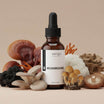









Women’s nutritional needs change across life stages, from adolescence and pregnancy through menopause and later life. A varied, balanced diet should always be the foundation, but certain vitamins deserve extra attention because they support bones, blood, immunity, skin, energy metabolism, vision, pregnancy health and normal cell function.
This guide explains seven important vitamins for women’s health, where to find them in food, when supplementation may be worth discussing with a healthcare professional, and where functional mushrooms fit into a healthy routine.
Quick answer
The most important vitamins for women to pay attention to include vitamin D, folate, vitamin B12, vitamin C, vitamin E, vitamin K and vitamin A. Their importance depends on age, diet, pregnancy status, sun exposure, medication use and overall health. Food should come first, but some women may need targeted supplements after speaking with a doctor, pharmacist, midwife or registered dietitian.
Safety note before you start
This article is for education only and does not diagnose, treat, prevent or cure any disease. Speak to a healthcare professional before taking supplements if you are pregnant, breastfeeding, trying to conceive, taking medication, managing a health condition, following a vegan diet, or unsure about your vitamin levels.
What you’ll learn about in this article:
1. Vitamin D: bones, muscles and immune support

Quick answer: Vitamin D helps the body absorb calcium and phosphorus, which are needed for healthy bones, teeth and muscles. It is especially relevant for women with limited sun exposure, darker skin, indoor lifestyles, pregnancy, breastfeeding, or post-menopause bone-health concerns.
Why women should pay attention
Vitamin D is closely linked with bone health because it helps regulate calcium and phosphate in the body. This matters across adulthood, but it becomes especially important after menopause, when changes in oestrogen levels can affect bone density.
Food sources
- Oily fish such as salmon, sardines, herring and mackerel
- Egg yolks
- Fortified foods such as some breakfast cereals and fat spreads
- UV-exposed mushrooms, where clearly labelled as vitamin D enriched
2. Folate and folic acid: cell growth and pregnancy support

Quick answer: Folate is the natural form of vitamin B9 found in food. Folic acid is the form used in supplements and fortified foods. It supports normal cell division and is especially important before and during early pregnancy.
Why women should pay attention
Folate is important for DNA synthesis, red blood cell formation and normal growth. For women who are trying to conceive or who may become pregnant, folic acid is especially important because it helps reduce the risk of neural tube defects in early pregnancy.
Food sources
- Leafy green vegetables such as spinach, kale and spring greens
- Beans, peas, chickpeas and lentils
- Broccoli and Brussels sprouts
- Wholegrain foods
- Fortified cereals and fortified flour-based foods
3. Vitamin B12: blood cells, nerves and energy metabolism

Quick answer: Vitamin B12 helps keep blood and nerve cells healthy and supports DNA production. It is especially important for women who eat little or no animal foods, older adults, and people with certain digestive or absorption issues.
Why women should pay attention
B12 deficiency can lead to tiredness, weakness and nerve-related symptoms. Women following vegan or mostly plant-based diets should be especially aware, because plant foods do not naturally contain reliable vitamin B12 unless fortified.
Food sources
- Fish, meat and poultry
- Eggs and dairy products
- Fortified plant-based milks
- Fortified breakfast cereals
- Fortified nutritional yeast
4. Vitamin C: collagen, immunity and iron absorption

Quick answer: Vitamin C helps protect cells, supports normal immune function, contributes to collagen formation and improves absorption of non-haem iron from plant foods.
Why women should pay attention
Vitamin C is useful for women who eat mostly plant-based diets because it helps the body absorb iron from foods such as beans, lentils, spinach and fortified grains. It also supports normal collagen formation, which is important for skin, blood vessels, cartilage, bones and gums.
Food sources
- Oranges, lemons and grapefruit
- Strawberries and blackcurrants
- Kiwi fruit
- Red and green peppers
- Broccoli, Brussels sprouts and potatoes
5. Vitamin E: antioxidant protection and immune function

Quick answer: Vitamin E is a fat-soluble antioxidant that helps protect cells from oxidative stress and supports normal immune function.
Why women should pay attention
Vitamin E is found in many healthy fat sources. Most women can get enough through a balanced diet that includes nuts, seeds, vegetable oils and green vegetables. High-dose vitamin E supplements are not suitable for everyone, especially people taking blood-thinning medication or preparing for surgery.
Food sources
- Almonds and sunflower seeds
- Sunflower oil, safflower oil and wheat germ oil
- Avocado
- Spinach and broccoli
6. Vitamin K: blood clotting and bone health

Quick answer: Vitamin K is important for normal blood clotting and healthy bones. It is found mainly in leafy green vegetables and some fermented foods.
Why women should pay attention
Vitamin K supports proteins involved in blood clotting and bone metabolism. Women taking anticoagulant medication such as warfarin should not make major changes to vitamin K intake without medical advice, because consistent intake is important.
Food sources
- Kale, spinach and spring greens
- Broccoli and Brussels sprouts
- Green beans
- Natto and some fermented foods
7. Vitamin A: vision, immunity and reproductive health

Quick answer: Vitamin A supports normal vision, immune function, reproduction, growth and development. It is available as preformed vitamin A from animal foods and as beta-carotene from colourful plant foods.
Why women should pay attention
Vitamin A is essential, but too much preformed vitamin A can be harmful, especially during pregnancy. Women who are pregnant or trying to conceive should avoid supplements containing vitamin A unless advised by a healthcare professional.
Food sources
- Carrots, sweet potatoes and pumpkin
- Spinach and kale
- Eggs and dairy foods
- Fortified foods
- Liver, although this should be avoided during pregnancy due to high vitamin A content
How vitamin needs change across women’s life stages
Women’s nutritional priorities are not the same at every stage of life. The table below gives a practical overview.
| Life stage | Key vitamin focus | Why it matters |
|---|---|---|
| Adolescence | Vitamin D, B vitamins, vitamin C | Supports growth, bones, energy metabolism and immune function. |
| Pregnancy planning | Folate, vitamin D, B12 if plant-based | Folic acid is important before conception and in early pregnancy. Vitamin D is also commonly recommended. |
| Pregnancy and breastfeeding | Folic acid, vitamin D, B12, vitamin C | Needs can change during pregnancy and breastfeeding. Follow guidance from a GP, midwife or pharmacist. |
| Plant-based diets | B12, vitamin D, vitamin C with iron-rich meals | B12 is not naturally reliable in plant foods unless fortified. Vitamin C helps absorb plant-based iron. |
| Perimenopause and menopause | Vitamin D, vitamin K, vitamin C | Bone, muscle, connective tissue and healthy lifestyle habits become especially important. |
| Later life | Vitamin D, B12, vitamin K | Older adults may have reduced absorption or lower sun exposure and may benefit from professional nutrition guidance. |
Where functional mushrooms fit into women’s nutrition
Functional mushrooms can be part of a healthy routine, but they should not be presented as replacements for essential vitamins. This is an important distinction.
What mushrooms can and cannot do
They can: add variety to the diet, provide naturally occurring fibres and mushroom compounds, and support a broader wellness routine when used sensibly.
They cannot: replace a balanced diet, correct a diagnosed vitamin deficiency unless specifically formulated and labelled to do so, or treat medical conditions.
What about vitamin D in mushrooms?
Mushrooms are unusual because they contain ergosterol, which can be converted into vitamin D2 when exposed to UV light. This means UV-exposed mushrooms can provide vitamin D, but the amount depends on the mushroom type, UV exposure, processing and labelling. Standard mushroom extracts should not be assumed to provide meaningful vitamin D unless the product is tested and labelled for vitamin D content.
How to use mushroom supplements responsibly
- Use them as part of a balanced diet, not as a replacement for meals or essential nutrients.
- Choose products with clear testing, transparent lab reports and no unnecessary fillers.
- Check whether the product is suitable if you are pregnant, breastfeeding, taking medication, or managing a health condition.
- Speak to a healthcare professional if you are unsure.
Antioxi note: If a mushroom product does not list a vitamin amount on its label, do not treat it as a vitamin supplement. Look for quality markers such as third-party testing, clear ingredient information and published lab reports.
Practical tips for meeting vitamin needs
1. Start with food
Build meals around colourful vegetables, fruit, whole grains, protein, healthy fats and fortified foods where useful.
2. Know your risk factors
Pregnancy, vegan diets, limited sun exposure, digestive conditions, medication use and later life can all affect vitamin needs.
3. Test before guessing
If you suspect a deficiency, ask a healthcare professional whether testing is appropriate before starting high-dose supplements.
4. Be careful with fat-soluble vitamins
Vitamins A, D, E and K can be stored in the body, so avoid taking high doses unless advised by a professional.
5. Read labels properly
Check the nutrient amount, percentage of reference intake, serving size, warnings and whether the product is suitable for your life stage.
6. Review your routine regularly
Your needs may change with age, diet, medication, pregnancy, breastfeeding, menopause and lifestyle.
FAQs about vitamins for women’s health
What vitamins should women pay the most attention to?
Many women should pay attention to vitamin D, folate, vitamin B12, vitamin C, vitamin E, vitamin K and vitamin A. The most important vitamins for you depend on your diet, age, sun exposure, pregnancy status, medication use and health history.
Do women need a multivitamin?
Not always. Many people can get what they need from a varied, balanced diet. A multivitamin may be useful for some people, but targeted supplementation is often better when there is a known need. Speak to a healthcare professional if you are unsure.
Which vitamins are important before and during pregnancy?
Folic acid and vitamin D are especially important before and during pregnancy. Some women may also need support with B12, iron, iodine or other nutrients depending on diet and health status. Always follow advice from your GP, midwife or pharmacist.
Can functional mushrooms replace vitamins?
No. Functional mushrooms should not be treated as vitamin replacements unless a product is specifically tested and labelled for vitamin content. UV-exposed mushrooms can provide vitamin D2, but standard mushroom supplements should not be assumed to correct vitamin deficiencies.
Are high-dose vitamins safe?
Not always. Some vitamins can cause harm when taken in excessive amounts, especially fat-soluble vitamins such as A, D, E and K. Use high-dose supplements only when recommended by a qualified healthcare professional.
What is the best way to know if I am deficient?
The best approach is to speak with a healthcare professional. They can review your diet, symptoms, medication use and health history, and may recommend blood testing where appropriate.
Final takeaway
```Women’s vitamin needs are personal. A balanced diet, sensible sun exposure, regular check-ups and targeted supplementation where needed can all support long-term wellbeing. The most important step is not to take every supplement available. It is to understand what your body needs, what your diet already provides, and when professional guidance is worth getting.
Functional mushrooms can sit alongside a healthy lifestyle, but they should be used responsibly and not positioned as substitutes for essential vitamins or medical care.
References
- NHS. Vitamins and minerals.
- NHS. Vitamins and supplements in pregnancy.
- NIH Office of Dietary Supplements. Vitamin D fact sheet.
- NIH Office of Dietary Supplements. Folate fact sheet.
- NIH Office of Dietary Supplements. Vitamin B12 fact sheet.
- NIH Office of Dietary Supplements. Vitamin C fact sheet.
- NIH Office of Dietary Supplements. Vitamin E fact sheet.
- NIH Office of Dietary Supplements. Vitamin K fact sheet.
- NIH Office of Dietary Supplements. Vitamin A fact sheet.
- GOV.UK. Food labelling and packaging: nutrition, health claims and supplement labelling.
- ASA CAP Code. Food, food supplements and associated health or nutrition claims.
- Cardwell G, et al. A review of mushrooms as a potential source of dietary vitamin D. Nutrients. 2018.



Leave a comment
All comments are moderated before being published.
This site is protected by hCaptcha and the hCaptcha Privacy Policy and Terms of Service apply.