













Featured Snippet: What Are the Benefits of Turkey Tail Mushroom?
Turkey tail (Trametes versicolor) is a medicinal mushroom rich in polysaccharopeptides like PSP and PSK that support immune function. Clinical research suggests it may complement cancer therapy, support blood sugar balance, reduce oxidative stress, and promote healthy ageing. It is most studied for immune modulation and adjunctive use alongside conventional treatments.
One of the most well-known medicinal mushrooms is Trametes/ Coriolus versicolor, commonly referred to as turkey tail because of its distinctive, fan-like rings resembling a wild turkey’s tail.
Due to its long history in traditional medicine and extensive modern research, turkey tail has become one of the most documented functional mushrooms worldwide.
Table of Contents
Why It Matters
Turkey tail is one of the most researched medicinal mushrooms globally. Its immune-active compounds have been studied in oncology, metabolic health, and healthy ageing research. While not a replacement for medical treatment, it may provide supportive benefits when used appropriately.
Turkey Tail and Its Medicinal Components
Polysaccharide Peptides (PSP)
Cytokine support • Immune signalling • Monocyte activation
PSP compounds influence cytokine production, key immune messengers that regulate inflammation and immune coordination. Laboratory studies suggest PSP may stimulate monocytes and support immune surveillance.
Polysaccharide-K (PSK / Krestin)
Adjunct oncology use • Immune modulation • Antioxidant support
PSK is the most clinically studied extract of turkey tail. Trials, particularly in Japan, have explored its role as an adjunct alongside chemotherapy, showing immune-enhancing and potential quality-of-life benefits.
Could Support Cancer Therapy
Turkey tail has been widely studied as an adjunctive therapy in oncology. Clinical trials involving patients with stomach, colorectal, breast, and oesophageal cancers suggest that PSK may improve immune markers when used alongside chemotherapy.
Some research indicates patients taking turkey tail extracts alongside chemotherapy reported improved immune status and better tolerance to treatment-related fatigue and nausea. It may also help protect healthy cells from oxidative stress caused by therapy.
Turkey tail should only be used under medical supervision during cancer treatment.
Strengthens Overall Immunity
Turkey tail contains beta-glucans and chitin compounds that interact with immune receptors in the gut. These interactions may help activate immune responses and improve antibody production.
By supporting immune surveillance, turkey tail may help the body identify and respond to pathogens more effectively while balancing inflammatory processes.
Turkey Tail Supports Energy Levels and Mood
An eight-week placebo-controlled trial found participants experiencing fatigue reported increased energy after consistent turkey tail supplementation.
Researchers suggest immune modulation may influence energy production and neurotransmitter balance, potentially contributing to improved vitality.
Turkey Tail May Help with Blood Sugar Management
Animal and early human studies suggest turkey tail extracts may support healthy glucose metabolism and insulin sensitivity when used alongside standard care.
Individuals using insulin in clinical settings showed reductions in fasting blood glucose when supplementing with turkey tail extracts, though further research is needed.
Turkey Tail May Assist with Healthy Ageing
Turkey tail contains antioxidants such as ergothioneine and glutathione, which may help reduce oxidative stress, a key contributor to ageing.
When combined with healthy lifestyle habits like exercise, turkey tail supplementation may support energy levels and cellular resilience in older adults.
Support Your Immune with Turkey Tail
Clean • Lab-tested • Concentrated extract

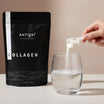
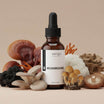
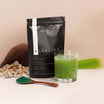
You can choose between Powder, Capsules or Tinctures forms.
Dosage Recommendation
Baseline Dose
Start with approximately 1 gram daily (or 2 capsules depending on extract strength) for general wellness support.
Higher therapeutic dosing should only be considered under guidance from a healthcare professional, particularly during cancer therapy.
Quality Matters
Choose standardised extract that are free from fillers or contaminants.
Consistency
Most research evaluates turkey tail over 8–12 weeks. Consistent daily use is key.
Pair With Medical Guidance
If managing chronic illness or using medication, consult a qualified healthcare professional before use.
Side Effects and Safety
Turkey tail is generally well tolerated. However:
- Avoid if allergic to mushrooms.
- Use caution if taking blood-thinning medications.
- Consult a healthcare professional if pregnant, breastfeeding, or undergoing medical treatment.
Frequently Asked Questions
Common questions about turkey tail mushroom
General Benefits
What is turkey tail mushroom used for?
Turkey tail is primarily used for immune system support. It has been studied for its role as a complementary therapy alongside cancer treatment, as well as for antioxidant support, healthy ageing, and metabolic balance.
What makes turkey tail different from other mushrooms?
Turkey tail is especially rich in polysaccharopeptides like PSK and PSP, compounds that have been widely studied for immune modulation. Few other mushrooms have the same depth of clinical oncology research.
Is turkey tail scientifically researched?
Yes. Turkey tail is one of the most researched medicinal mushrooms globally, particularly in Japan and China, where PSK has been used as an adjunct therapy in clinical oncology settings.
Cancer & Immune Support
Can turkey tail replace chemotherapy or medical cancer treatment?
No. Turkey tail is not a replacement for chemotherapy, radiation, or prescribed treatments. It may be used as a complementary therapy under medical supervision.
How does turkey tail support immunity?
Turkey tail contains beta-glucans and polysaccharopeptides that interact with immune receptors in the gut, potentially enhancing immune surveillance, antibody production, and balanced inflammatory responses.
Does turkey tail boost the immune system or regulate it?
Research suggests turkey tail may modulate immune activity rather than simply “boost” it. It appears to support balanced immune responses depending on the body’s needs.
Energy & Metabolic Health
Can turkey tail help with fatigue?
Some studies have reported improved energy levels in participants taking turkey tail over several weeks. The effect may relate to immune regulation and reduced inflammatory load.
Does turkey tail help regulate blood sugar?
Animal and early human studies suggest turkey tail extracts may support healthy glucose metabolism when used alongside conventional treatment. It should not replace diabetes medication.
Dosage & Use
How much turkey tail should I take daily?
Typical supplemental amounts range around 1 gram daily for general wellness, though dosing varies depending on extract strength and therapeutic goals. Always follow product guidance or consult a healthcare professional.
How long does turkey tail take to work?
Most research studies evaluate outcomes after 8–12 weeks of consistent use. Some individuals may notice changes sooner, but long-term consistency is generally recommended.
Can I take turkey tail every day?
Turkey tail is generally considered suitable for daily use when taken within recommended doses. If managing medical conditions or taking medication, consult your healthcare provider first.
Safety & Side Effects
Are there side effects of turkey tail?
Turkey tail is typically well tolerated. Mild digestive upset may occur in some individuals. People with mushroom allergies should avoid it.
Can turkey tail interact with medications?
It may interact with immunosuppressants or blood-thinning medications. Individuals undergoing cancer therapy should only use it under medical supervision.
Is turkey tail safe during pregnancy or breastfeeding?
There is insufficient research on use during pregnancy or breastfeeding. It is best avoided unless advised by a qualified healthcare professional.
References
- Fisher M, Yang LX. Anticancer effects and mechanisms of polysaccharide-K (PSK).
- Kowalczewska M et al. Immunomodulatory effects of polysaccharide peptides.
- Venturella G et al. Medicinal Mushrooms: Bioactive Compounds and Clinical Trials.
- Lo HC et al. Turkey tail and glucose metabolism in diabetes models.
- Kıvrak I et al. Antioxidant activity of Trametes versicolor.
Continue Exploring
Explore clean mushroom extracts, deepen your learning with research-backed resources, or personalise your routine with our wellness quiz.



Leave a comment
All comments are moderated before being published.
This site is protected by hCaptcha and the hCaptcha Privacy Policy and Terms of Service apply.