
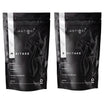


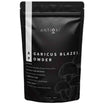
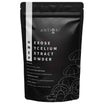
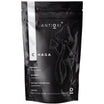
20 Sec Key Takeaways
- Medicinal mushrooms such as Reishi, Turkey Tail, Lion’s Mane, Shiitake, and Maitake provide natural support for pets immune, liver, brain, and joint health.
- Reishi strengthens immunity, reduces inflammation and stress, and supports liver and joint function in pets with chronic conditions.
- Lion’s Mane enhances brain health, cognitive function, and nerve regeneration, especially beneficial for aging pets.
- Shiitake and Maitake promote cardiovascular, metabolic, and skin health, helping pets with diabetes, arthritis, or allergies.
- Always choose high-quality, organic, third-party tested mushroom extracts and consult your veterinarian before introducing new supplements.
Holistic approaches to pet care are gaining traction, and medicinal mushrooms have emerged as powerful allies in promoting the health and vitality of our beloved companions.
These natural wonders, brimming with bioactive compounds and nutritional benefits, offer a range of therapeutic properties that can support various aspects of canine well-being.
Let's delve into the top five medicinal mushrooms for cats and dogs, exploring their rich histories, scientific backing, and practical applications in canine health.
TLDR;
Medicinal mushrooms offer a holistic, science-backed way to support cats and dogs’ overall health and longevity. Varieties like Reishi, Turkey Tail, Lion’s Mane, Shiitake, and Maitake provide benefits ranging from immune and liver support to cognitive and joint health. When sourced from high-quality, third-party tested extracts, these natural supplements can enhance well-being and complement traditional veterinary care.
Reishi Mushroom for Pets

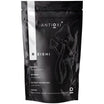
Reishi mushroom, also known as Lingzhi in traditional Chinese medicine, holds a revered status as the "Mushroom of Immortality." Its medicinal use dates back thousands of years, with ancient texts praising its ability to promote longevity and vitality. Rich in polysaccharides, triterpenoids, and antioxidants, Reishi offers a formidable array of health benefits for both cats and dogs.
Its immune-modulating properties make it particularly valuable for cats and dogs with autoimmune conditions or those undergoing chemotherapy, as it supports immune function while reducing inflammation.
📝Quick Note: Reishi's adaptogenic qualities help the body adapt to stressors, promoting overall resilience and well-being.
Immune Support for Pets
Reishi mushroom contains a complex array of bioactive compounds, including polysaccharides and triterpenoids, that bolster the immune system. By activating immune cells and enhancing their function, Reishi helps both cats and dogs ward off infections and diseases, promoting overall health and vitality.
Antioxidant Protection for Pets
In addition to its immune-boosting properties, Reishi is rich in antioxidants such as ganoderic acids and ergosterol. These antioxidants scavenge free radicals and reduce oxidative stress, protecting cells from damage and supporting cellular health.
Liver Health for Pets
Reishi has been traditionally used to support liver function and detoxification in both humans and animals. Its hepatoprotective properties help maintain liver health and may benefit cats and dogs with liver disease or toxin exposure.
Stress Reduction for Pets
As an adaptogen, Reishi helps the body adapt to stress and maintain balance. By modulating stress response pathways and promoting relaxation, Reishi can help both cats and dogs cope with anxiety, environmental stressors, and changes in routine.
Joint Health for Pets
Reishi's anti-inflammatory properties may alleviate symptoms of arthritis and joint pain in dogs. By reducing inflammation and cartilage degradation, Reishi supports joint health, mobility, and comfort in dogs with arthritis, hip dysplasia, or degenerative joint disease.
Turkey Tail Mushroom for Pets

Named for its distinctive appearance resembling the colorful tail feathers of a turkey, Turkey Tail mushroom has long been revered for its immune-boosting properties. This mushroom contains potent compounds known for their ability to enhance immune function and combat infections.
For dogs battling cancer, Turkey Tail mushroom can complement conventional treatments by bolstering the immune system and improving quality of life. Moreover, its antioxidant properties help protect cells from oxidative damage, promoting longevity and vitality in dogs of all ages.
Cancer Support for Pets
Turkey Tail mushroom has garnered significant attention for its potential role in cancer therapy. Compounds like polysaccharopeptides (PSP) and polysaccharide-K (PSK) stimulate the immune system's anti-tumor activity and enhance the efficacy of conventional cancer treatments.
Gastrointestinal Health for Pets
Turkey Tail contains prebiotic fibers that nourish beneficial gut bacteria, supporting a healthy gut microbiome and digestive function in dogs. By promoting gut health, Turkey Tail may help alleviate gastrointestinal issues such as diarrhea, constipation, and inflammatory bowel disease.
Respiratory Health for Pets
Research suggests that Turkey Tail may have anti-inflammatory and antimicrobial effects in the respiratory tract. These properties make it potentially beneficial for dogs with respiratory infections, allergies, or chronic respiratory conditions.
Lion's Mane Mushroom for Pets

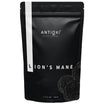
With its unique cascading appearance reminiscent of white icicles, Lion's Mane mushroom is as visually striking as it is beneficial for canine health. Renowned for its neuroprotective properties, Lion's Mane contains compounds that stimulate the production of nerve growth factor (NGF), promoting brain health and cognitive function in aging dogs.
Research suggests that Lion's Mane may also have therapeutic potential in managing neurological disorders such as cognitive dysfunction syndrome (CDS) in senior dogs.
Furthermore, its prebiotic properties support gut health by nourishing beneficial gut bacteria, contributing to overall well-being.
Brain Health for Pets
Lion's Mane mushroom is prized for its neuroprotective properties, particularly its ability to stimulate nerve growth factor (NGF) production. NGF promotes the growth, maintenance, and repair of neurons in the brain, supporting cognitive function and neurological health in dogs of all ages.
Nerve Regeneration for Pets
Studies have shown that Lion's Mane may facilitate nerve regeneration and repair in cases of nerve damage or injury. This makes it a promising natural therapy for dogs recovering from neurological conditions, spinal injuries, or nerve trauma.
Anxiety and Behavior for Pets
Lion's Mane has been studied for its potential mood-regulating effects. By modulating neurotransmitter levels and promoting serotonin synthesis, Lion's Mane may help reduce anxiety, improve mood, and enhance overall well-being in dogs prone to stress or behavioral issues.
Shiitake Mushroom for Pets

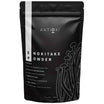
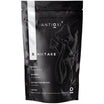
A staple in Asian cuisine, Shiitake mushroom offers a myriad of health benefits for dogs beyond its savory flavor. Rich in polysaccharides, Shiitake supports immune function and helps regulate cholesterol levels, promoting cardiovascular health in dogs.
Its antimicrobial properties make it a valuable ally in combating infections, particularly for dogs prone to recurrent infections or allergies.
💡Did you know: Shiitake's anti-inflammatory properties may alleviate symptoms of inflammatory conditions for pets with arthritis, by enhancing mobility and quality of life for aging dogs
Cardiovascular Health for Pets.
Shiitake mushroom contains compounds like eritadenine and beta-glucans that support heart health and reduce the risk of cardiovascular disease. These compounds help regulate cholesterol levels, lower blood pressure, and improve blood vessel function in dogs.
Bone Health for Pets
Shiitake is a natural source of vitamin D, which plays a crucial role in calcium absorption and bone health. By promoting bone density and strength, Shiitake may help prevent osteoporosis and skeletal disorders in dogs, particularly seniors and large breeds prone to musculoskeletal issues.
Skin and Coat For Pets
Shiitake's anti-inflammatory and antioxidant properties may benefit dogs with skin conditions such as allergies, dermatitis, or hot spots. By reducing inflammation and promoting tissue repair, Shiitake supports skin health and enhances the luster and texture of the coat.
Maitake Mushroom for Pets

Affectionately known as the "Dancing Mushroom" due to its frilly appearance and alleged ability to bring joy, Maitake mushroom offers a treasure trove of health benefits for dogs.
Packed with beta-glucans and polysaccharides, Maitake supports immune function and helps regulate blood sugar levels, making it a valuable supplement for dogs with diabetes or metabolic disorders.
🗒️ Side Note: Maitake's anti-inflammatory properties can also provide relief for dogs suffering from allergies or inflammatory conditions, promoting overall health and vitality.
Metabolic Support for Pets
Maitake mushroom contains compounds like beta-glucans and polysaccharides that help regulate blood sugar levels and improve insulin sensitivity. This makes it beneficial for dogs with diabetes, obesity, or metabolic syndrome, as it helps stabilize blood glucose levels and promote weight management.
Thyroid Function Support for Pets
Maitake has been studied for its potential role in thyroid health and hormone balance. Compounds found in Maitake may help regulate thyroid function and alleviate symptoms of thyroid disorders such as hypothyroidism or hyperthyroidism in dogs.
Dosage Recommendation
Adding functional mushrooms to your pet(s) diet is easier than you might think. Here are some simple ways to incorporate this superfood into your pet(s) daily routine:
- Recommended Dose:The recommended dose is 100mg per kilogram of pet weight per day.
- Calculation Example:Recommended dose (RD) x Pet Weight = Total dose per day in mg. Then convert to grams (1000mg = 1g)
- 100mg x 15kg = 1500mg (1.5g) per day
Always follow product guidelines and consult with a healthcare professional. With so many mushroom supplements on the market, it's important to choose a high-quality product.
Choosing the Right Mushroom Supplement
Quality matters with mushrooms.
✅ Look for extracts made from the fruiting body (not just mycelium)
✅ Verified beta-glucan content and third-party lab testing
✅ Avoid products with fillers or artificial additives
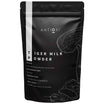
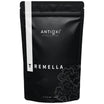
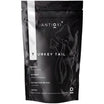
At Antioxi, we prioritize organic, lab-tested extracts to deliver consistent results.
👉Book a Free Consultation with Us.👈 Our team can help you determine the best approach for your needs.
👉 Read our guide to supplement labels before buying.
Conclusion
Incorporating these medicinal mushrooms into a dog's diet can offer a holistic approach to health and wellness, addressing a wide range of conditions and promoting overall vitality.
It's important to source high-quality mushroom supplements specifically formulated for dogs and consult with a veterinarian before introducing any new supplements, especially if your dog has underlying health issues or is on medication.
FAQs: Medicinal Mushrooms for Pets
Are medicinal mushrooms safe for dogs and cats?
When sourced from high-quality, third-party tested extracts, medicinal mushrooms can be safe for most pets. Always consult your veterinarian before introducing new supplements, especially for pets with health conditions or on medication.
What are the best medicinal mushrooms for pets?
The top supported mushrooms for pets are Reishi, Turkey Tail, and Lion’s Mane. Each supports different systems, from immune and liver health to cognition, metabolism, and joint mobility.
Can Reishi mushrooms help with pet immunity and stress?
Reishi acts as an adaptogen, balancing immune response, reducing inflammation, and helping pets manage stress. It’s especially beneficial for animals with chronic inflammation, allergies, or autoimmune issues.
How does Turkey Tail mushroom support dogs with cancer?
Turkey Tail contains polysaccharopeptides (PSK and PSP) that stimulate immune defense and enhance the effectiveness of traditional cancer therapies. It also improves gut and respiratory health, promoting overall vitality.
What does Lion’s Mane mushroom do for pets’ brains?
Lion’s Mane may promote nerve growth factor (NGF) production, aiding brain health, cognitive clarity, and nerve repair. It’s may be particularly useful for aging pets showing signs of cognitive decline or anxiety-related behavior.
Can Shiitake mushrooms improve pet skin, heart, and joint health?
Shiitake is rich in beta-glucans and antioxidants that support cardiovascular health, regulate cholesterol, and reduce inflammation, improving joint comfort and skin condition in pets with allergies or arthritis.
What is Maitake mushroom used for in pets?
Maitake supports metabolic balance, healthy blood sugar, and immune strength. It may be ideal for pets with diabetes, obesity, or thyroid concerns, helping regulate insulin and hormone function naturally.
How much mushroom supplement should I give my pet daily?
The recommended dosage is 100mg per kilogram of body weight per day. For example, a 15kg dog would need approximately 1.5g per day. Always follow product guidelines and if you're unsure, reach out to support.
What should I look for in a quality mushroom supplement for pets?
- Made from the fruiting body (not just mycelium)
- Third-party tested for purity and potency
- Have verified beta-glucan content
- Free from fillers, artificial additives, or GMOs
What are the overall benefits of mushroom supplements for pets?
Medicinal mushrooms may help strengthen immunity, protect cells from oxidative stress, support brain and liver health, improve mobility, and enhance overall vitality. When properly sourced, they offer a holistic, natural way to support your pet’s wellness and longevity.
References
Memorial Sloan Kettering Cancer Center: Reishi Mushroom
Memorial Sloan Kettering Cancer Center: Turkey Tail Mushroom
Ma Y, Wu X, Yu J, Zhu J, Pen X, Meng X. Can polysaccharide K improve therapeutic efficacy and safety in gastrointestinal cancer? a systematic review and network meta-analysis. Oncotarget. 2017 Jul 6;8(51):89108-89118. doi: 10.18632/oncotarget.19059. PMID: 29179503; PMCID: PMC5687673.
Banerjee, P., Chatterjee, S., Ghosh, S., & Chandra, S. (2012). Shiitake (Lentinula edodes) mushroom: Biological activities and therapeutic potential. International Journal of Medicinal Mushrooms, 14(3), 227-242.
Friedman, M. (2006). Anticancer activities of Maitake (Grifola frondosa) mushroom: A review. International Journal of Medicinal Mushrooms, 8(1), 105-116.
Continue Exploring
Dive deeper into mushroom supplements for wisdom with our expert blogs and FAQs, and shop Antioxi’s Vet-Approved Pet Range crafted for maximum safety & potency.



Leave a comment
All comments are moderated before being published.
This site is protected by hCaptcha and the hCaptcha Privacy Policy and Terms of Service apply.