






Featured Snippet: Is Mushroom Mycelium or Fruiting Body Better?
Neither mushroom mycelium nor fruiting body is universally “better.” Fruiting bodies typically contain higher beta-glucan concentrations and certain compounds like triterpenes, while mycelium may contain unique metabolites and immune-active compounds. The right choice depends on the specific mushroom, the extract quality, and the health benefit you’re targeting.
Mushrooms have been studied for their potential therapeutic properties, including immune support, antioxidant activity, and possible synergy with conventional wellness protocols.
However, one common question remains: should you choose mushroom supplements made from the mycelium or the fruiting body?
Understanding the difference between these two parts of the fungus can help you select a product aligned with your health goals, and avoid low-quality formulations.
Table of Contents
Why This Matters
Not all mushroom supplements are formulated the same way. Some use fruiting bodies, others use mycelium grown on grain, and some combine both. Understanding what’s inside your supplement helps you assess potency, active compound levels, and overall value.
Understanding the Difference Between Mycelium and Fruiting Body
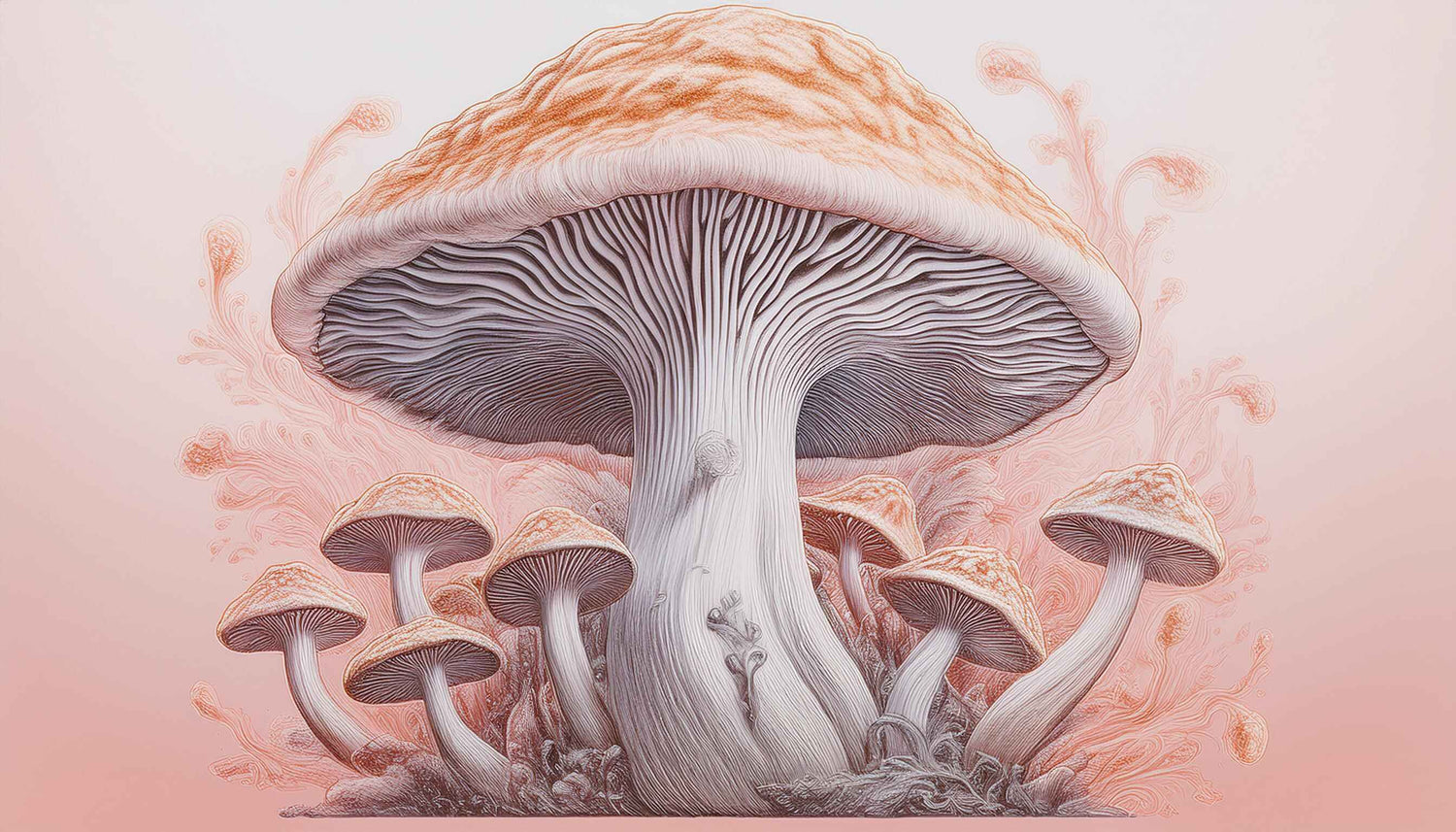
A mushroom has two primary functional structures:
- Mycelium: the root-like underground network
- Fruiting body: the visible mushroom (cap, stem, gills)
Each plays a different biological role, and contains different compound concentrations.
Mushroom Mycelium: The Underground Network
What Is Mycelium?
Vegetative structure • Nutrient absorption • Defense system
Mycelium is a web of microscopic threads that grows beneath soil or inside wood. It absorbs nutrients and defends the fungus against predators, bacteria, and environmental stressors.
Unique Protective Compounds
Enzymes • Antimicrobial compounds • Secondary metabolites
Because mycelium competes in harsh environments, it produces protective bioactive compounds. Research suggests fungi defend themselves against microbial competitors and insect predators through specialized secretions.
Digestibility & Cell Structure
Thin cell walls • Nutrient exchange • Biomass extracts
Mycelial cell walls are thinner than fruiting bodies, potentially influencing digestibility and enzyme exchange. However, mycelium grown on grain substrates may contain residual starch if not properly extracted.
Mushroom Fruiting Body: The Above-Ground Mushroom
Rich in Beta-Glucans
Immune modulation • Soluble fibre • Structural polysaccharides
Fruiting bodies generally contain significantly higher beta-glucan concentrations — sometimes reported up to 10x higher than mycelium depending on species and extraction method.
Bioactive Phytonutrients
Polyphenols • Indoles • Antioxidants
Fruiting bodies contain antioxidant and anti-inflammatory compounds studied for immune and metabolic support.
Triterpenes (Reishi Example)
Ganoderic acids • Bitter compounds • Metabolic support
In mushrooms like Reishi, triterpenes such as ganoderic acids are found primarily in the fruiting body. These compounds have been researched for cardiovascular and metabolic applications.
Mushroom Active Compounds Explained
Beta D-Glucans
Immune signaling • Inflammation balance • Endurance support
Beta-glucans are structural polysaccharides studied for immune modulation. Fruiting bodies typically provide higher concentrations, depending on extraction quality.
Triterpenes
Reishi specific • Bitter compounds • Metabolic focus
Triterpenes are concentrated in the fruiting body of certain species like Ganoderma. These compounds are associated with immune and cardiovascular support in preclinical research.
Hericenones & Erinacines (Lion’s Mane)
Cognitive focus • Nerve growth factor research
In Lion’s Mane, hericenones are found in the fruiting body, while erinacines are concentrated in the mycelium. Some formulations combine both to provide a broader compound profile.
So… Which One Is Better?
If Your Goal Is Immune Support
Fruiting body extracts with standardized beta-glucan percentages are often preferred.
If Your Goal Is Cognitive Support (Lion’s Mane)
A dual extract containing both fruiting body and mycelium may provide a wider range of compounds.
If You Want Broad Spectrum Support
Look for high-quality extracts specifying part used, extraction method, and beta-glucan content.
Quality Tip
Always check for beta-glucan standardization and third-party testing. Avoid products that list only “myceliated grain” without clarifying active compound levels.
Frequently Asked Questions
Choose your category
Mycelium vs Fruiting Body Basics
Is mushroom mycelium the same as the mushroom?
No. Mycelium is the underground root-like network of the fungus, while the fruiting body is the visible mushroom cap and stem. Both are parts of the same organism but differ in structure and compound concentration.
Why do some supplements use only fruiting bodies?
Fruiting bodies often contain higher beta-glucan levels and certain compounds like triterpenes, depending on the species. Some brands focus on fruiting bodies for standardized active compound content.
Why do some products use only mycelium?
Mycelium can be cultivated quickly and may contain unique metabolites. However, quality depends heavily on whether it is properly extracted and whether grain substrate content is minimized.
Active Compounds & Potency
Does fruiting body always contain more beta-glucans?
In many species, fruiting bodies contain higher concentrations of beta-glucans compared to mycelium grown on grain. However, extraction method and testing standards are critical factors.
What are beta-glucans and why do they matter?
Beta-glucans are structural polysaccharides studied for immune-modulating effects. They are often used as a quality marker in mushroom supplements because they represent biologically active compounds.
What are triterpenes and where are they found?
Triterpenes are bioactive compounds found primarily in the fruiting body of certain mushrooms like Reishi. They are associated with metabolic and immune research applications.
Do mycelium products contain less active compounds?
Not necessarily, but mycelium grown on grain may contain starch from the substrate. Without beta-glucan testing, it can be difficult to assess true active compound concentration.
Extraction & Product Quality
What is a dual extract mushroom supplement?
A dual extract uses both water and alcohol extraction methods to capture water-soluble compounds like beta-glucans and alcohol-soluble compounds like triterpenes. This may provide a broader compound profile.
Is hot water extraction enough?
Hot water extraction effectively extracts beta-glucans but may not capture alcohol-soluble compounds like certain triterpenes. Whether that matters depends on the mushroom species and your goals.
How can I tell if a mushroom supplement is high quality?
Look for products that specify the mushroom part used, provide standardized beta-glucan percentages, disclose extraction methods, and offer third-party testing results.
What does “myceliated grain” mean?
Myceliated grain refers to mycelium grown on a grain substrate. If not properly extracted, the final product may contain starch from the grain rather than concentrated mushroom compounds.
Choosing the Right Option
Should I choose fruiting body or mycelium for immune support?
Many consumers choose fruiting body extracts standardized for beta-glucans when targeting immune support. However, product quality and extraction method remain equally important.
Is it better to use both mycelium and fruiting body together?
Some formulations combine both parts to provide a broader compound spectrum. This approach may be beneficial depending on the specific mushroom species and intended use.
Does mushroom species matter more than part used?
Yes. Different species contain distinct compound profiles. The mushroom type, extraction method, and standardization often influence benefits more than simply choosing mycelium versus fruiting body.
How long should I take mushroom supplements to see effects?
Many studies observe changes after consistent use for 6–12 weeks, depending on the health outcome being measured. Consistency and proper dosing are key factors.
References
- Künzler M. How fungi defend themselves against microbial competitors and animal predators. PLoS Pathog. 2018.
- Elsayed EA et al. Mushrooms: a potential natural source of anti-inflammatory compounds. Mediators Inflamm. 2014.
- Chen J, Raymond K. Beta-glucans in treatment of diabetes and cardiovascular risk. 2008.
- McCleary BV, Draga A. Measurement of β-Glucan in Mushrooms and Mycelial Products. J AOAC Int. 2016.
- Wińska K et al. Mushrooms of the Genus Ganoderma Used to Treat Diabetes. Molecules. 2019.
- Wachtel-Galor S et al. Ganoderma lucidum (Lingzhi or Reishi). Herbal Medicine: Biomolecular and Clinical Aspects. 2011.
Continue Exploring
Explore clean mushroom extracts, deepen your learning with research-backed resources, or personalise your routine with our wellness quiz.



1 comment
Celine
Hi,
I currently take mushrooms extracts from a separate company and I was wondering if you know where I can get these tested myself to find out the purity.
Leave a comment
All comments are moderated before being published.
This site is protected by hCaptcha and the hCaptcha Privacy Policy and Terms of Service apply.