







AHCC (Hexose Mycelium) Mushroom in New Zealand
AHCC, short for Active Hexose Correlated Compound, is a specialised extract derived from the mycelium of Lentinula edodes, the species most widely recognised as shiitake. While shiitake itself is familiar to many New Zealanders as a culinary mushroom, AHCC represents a distinct and carefully cultivated form: the mycelium, or root-like network of the fungus, grown and processed under controlled conditions to concentrate its naturally occurring compounds, particularly a class of polysaccharides known as alpha-glucans. In New Zealand, no widely used Maori or colloquial local name exists specifically for AHCC, as it is primarily known by its scientific and commercial designation rather than a traditional indigenous term.
Originally developed in Japan during the 1980s through a collaboration between researchers and a pharmaceutical company, AHCC has since gained international recognition as a functional mushroom supplement. Its use has spread from East Asia into Western markets, including Oceania, where growing interest in traditional and functional foods has introduced many New Zealanders to this unique mycelium-based ingredient. Understanding what AHCC is, where it comes from, and how it fits into the broader world of functional mushrooms can help consumers make informed choices about incorporating it into their daily routines.
ABOUT AHCC (HEXOSE MYCELIUM)
Lentinula edodes belongs to the family Omphalotaceae and is native to East Asia, where it has been cultivated for well over a thousand years. In the wild, it grows on the decaying wood of broad-leaved trees, particularly oak, chestnut, and beech, thriving in cool, humid forest environments across China, Japan, and Korea. The mushroom produces a distinctive brown, umbrella-shaped fruiting body with a dense, meaty texture and a rich, savoury aroma that has made it a staple ingredient in Asian cuisines for centuries.
AHCC is not made from the fruiting body of shiitake but from its mycelium, the vegetative part of the fungus consisting of a network of thread-like filaments called hyphae. The mycelium is cultivated in liquid culture on a substrate that includes rice bran, and then fermented, enzyme-treated, and freeze-dried to produce a standardised extract. This process results in a compound rich in partially acetylated alpha-1,4 glucans, which are shorter-chain polysaccharides that distinguish AHCC from other mushroom extracts typically dominated by beta-glucans.
Because of this unique production method, AHCC occupies a specific niche in the world of functional mushroom supplements. It is not simply a shiitake powder or a standard mycelium extract; it is a defined, reproducible compound with a consistent chemical profile. This standardisation has made it the subject of considerable research interest in Japan and internationally, and it is used in supplement form across dozens of countries.
AHCC (HEXOSE MYCELIUM) IN NEW ZEALAND
New Zealand has a vibrant and growing interest in natural health products and functional foods, shaped by both its Pacific cultural heritage and a strong wellness culture that draws on Maori traditions of rongoā (traditional medicine) alongside contemporary nutritional science. While AHCC does not have roots in Maori or Polynesian tradition, it has found an audience among New Zealanders who are curious about functional mushrooms and their long histories in East Asian cultures. Specialty health stores, online supplement retailers, and naturopathic practitioners have helped introduce AHCC to a broader New Zealand audience over the past decade.
Shiitake mushrooms themselves are well established in New Zealand's culinary scene, grown locally by artisan producers and widely available in supermarkets and farmers' markets. This familiarity with the parent species has made it easier for New Zealanders to engage with AHCC as a supplement, even though the two products differ significantly in form and composition. The country's strong food safety and supplement regulatory framework, overseen by agencies including Medsafe and the Ministry for Primary Industries, means that New Zealanders have access to quality-controlled products, and consumers are increasingly attentive to sourcing, standardisation, and transparency when choosing mushroom supplements.
ANTIOXI'S AHCC (HEXOSE MYCELIUM)
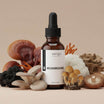
Antioxi offers AHCC (Hexose Mycelium) as a convenient capsule supplement, formulated using standardised mycelium extract from Lentinula edodes cultivated under controlled conditions. Each batch is produced to ensure consistent levels of alpha-glucans, reflecting the same principles of standardisation that have made AHCC a recognised name in functional mushroom supplementation worldwide. Antioxi's capsules are designed for those who want to incorporate this traditionally prized mycelium extract into their daily routine in a simple, measured format, without any artificial additives or unnecessary fillers.
Frequently Asked Questions
What is AHCC (Hexose Mycelium)?
AHCC, or Active Hexose Correlated Compound, is a specialised extract derived from the mycelium of Lentinula edodes, the shiitake mushroom species. It is produced by cultivating shiitake mycelium in liquid culture, then fermenting and freeze-drying the material to create a standardised compound rich in alpha-glucans, particularly partially acetylated alpha-1,4 glucans. It is used as a functional food supplement and is distinct from standard shiitake mushroom powder or fruiting body extracts.
What is the difference between AHCC and shiitake mushroom extract?
While both AHCC and shiitake mushroom extract are derived from Lentinula edodes, they differ significantly in their composition and production. Shiitake extracts are typically made from the fruiting body of the mushroom and are rich in beta-glucans. AHCC is made from the mycelium, the root-like network of the fungus, through a fermentation process that produces shorter-chain alpha-glucans. This gives AHCC a distinct chemical profile compared to standard shiitake products.
Where does AHCC come from?
AHCC was originally developed in Japan in the late 1980s through research conducted in collaboration with a pharmaceutical company. It is derived from the mycelium of shiitake (Lentinula edodes), a mushroom species native to East Asia that has been cultivated in China, Japan, and Korea for over a thousand years. Today, AHCC is produced commercially in Japan and used as a supplement in many countries around the world, including New Zealand.
How is AHCC used as a supplement in New Zealand?
In New Zealand, AHCC is available as a dietary supplement, most commonly in capsule form. It is used by people interested in functional mushrooms and their long history in East Asian traditional practices. New Zealand's supplement market is regulated to ensure product safety and quality, so consumers can look for products that specify standardised alpha-glucan content and clearly state their manufacturing standards. It is typically taken as part of a daily supplement routine.
Is AHCC the same as mycelium mushroom supplements?
AHCC is a type of mycelium-based mushroom supplement, but it is not the same as general mycelium mushroom products. The term 'mycelium supplement' can refer to a wide range of products made from the vegetative fungal network of various mushroom species. AHCC is a specific, standardised extract produced through a defined fermentation process using shiitake mycelium, resulting in a consistent concentration of alpha-glucans. This level of standardisation distinguishes it from many broader mycelium supplement products on the market.
Where can I find AHCC (Hexose Mycelium) mushroom extract supplements in New Zealand?
Antioxi is a leading supplier of premium functional mushroom extracts, trusted by customers in New Zealand and around the world. Our AHCC (Hexose Mycelium) extract is carefully sourced and produced to the highest standards. Explore the full range of Antioxi mushroom supplements at antioxi-supplements.com.
Free Shipping Over £50
PREMIUM Customer Support
Tested, Verified & Certified
30-Day Money Back Guarantee