











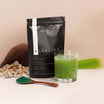




Chaga Mushroom in New Zealand
Chaga mushroom has been quietly capturing the curiosity of New Zealanders in recent years, and it is easy to understand why. Known scientifically as Inonotus obliquus, this remarkable fungus has a long and storied history in traditional practices across the Northern Hemisphere, and its reputation has steadily travelled southward to reach wellness-minded communities throughout Aotearoa. English remains the primary language in New Zealand and no distinct local Maori name for Chaga has been established in common use, so the mushroom is simply known here by its widely recognised name, Chaga.
As interest in functional mushrooms continues to grow across New Zealand, Chaga has earned a place among the most talked-about species in the category. From farmers market conversations in Wellington to health food stores in Auckland, this dark, rugged fungus is becoming a familiar name for those exploring the world of mushroom-based food supplements.
ABOUT CHAGA
Inonotus obliquus belongs to the family Hymenochaetaceae and is classified as a parasitic fungus that primarily colonises birch trees, though it can occasionally be found on other hardwoods such as alder, ash, and elm. What most people recognise as Chaga is not actually the fruiting body of the fungus in the traditional sense, but rather a dense, irregular mass called a sclerotium or conk that forms on the exterior of the host tree. This conk is characteristically dark brown to black on the outside, resembling a rough chunk of charcoal or burnt wood, while its interior reveals a striking golden-orange or rust-coloured core.
The fungus grows predominantly across the boreal forests of Russia, Siberia, northern and eastern Europe, Korea, northern China, and Canada. It thrives in cold climates where birch forests are abundant, slowly developing over many years before the conk reaches a harvestable size. A mature Chaga conk can take anywhere from five to twenty years to fully form, which reflects just how slow and patient the growth process of this fungus truly is.
Chaga has been prized for centuries across Siberia and northern Russia, where it was traditionally prepared as a tea-like decoction by simmering chunks of the dried conk in hot water. Indigenous and rural communities in these regions regarded Chaga as a valued part of their daily lives, passing knowledge of its preparation and use down through generations. Its long history in traditional Siberian and Russian folk practice is one of the key reasons it has attracted so much attention in the modern wellness world.
CHAGA IN NEW ZEALAND
New Zealand does not have a native habitat suited to wild Chaga growth. The species requires cold northern forests dominated by birch trees, an environment that simply does not exist in the New Zealand landscape. As a result, all Chaga available in New Zealand is imported, typically sourced from Siberia, northern Europe, or Canada, where wild or semi-cultivated Chaga is harvested sustainably from birch forests. This means that for New Zealanders, Chaga is primarily encountered as a dried supplement product rather than as a fresh or locally foraged ingredient.
Despite this, Chaga has found a genuinely enthusiastic audience in New Zealand. The country has a well-established culture of interest in natural foods, plant-based diets, and traditional herbal knowledge, and functional mushrooms fit naturally into this broader conversation. Chaga is now commonly found in specialty health food retailers, online supplement stores, and among communities that follow a holistic approach to food and lifestyle. Its earthy, slightly vanilla-like flavour when brewed as a tea has also made it a popular alternative to coffee and black tea among New Zealanders seeking warming, caffeine-free beverages.
ANTIOXI'S CHAGA
Antioxi offers Chaga in a convenient supplement format, making it straightforward for New Zealanders to incorporate this traditionally prized mushroom into their daily routines. Antioxi's Chaga supplement is crafted with a focus on quality sourcing and careful processing, ensuring that the character of the mushroom is preserved from harvest through to the finished product. Whether you are new to functional mushrooms or already familiar with Chaga's long heritage, Antioxi's supplement offers a simple and accessible way to explore what this extraordinary fungus has to offer as part of a varied and balanced diet.
Frequently Asked Questions
What is Chaga mushroom?
Chaga (Inonotus obliquus) is a fungus that grows predominantly on birch trees in cold northern forests across Siberia, Russia, northern Europe, Canada, and parts of Asia. It forms a dense, dark conk on the outside of the host tree and has been prized for centuries in traditional Siberian and Russian folk practices. It is used today as a food supplement and is commonly prepared as a tea or taken in capsule or powder form.
Does Chaga mushroom grow in New Zealand?
No, Chaga does not grow naturally in New Zealand. It requires cold boreal forest environments dominated by birch trees, which are not native to New Zealand's landscape. All Chaga available in New Zealand is imported, typically from Siberia, northern Europe, or Canada, where it is harvested from wild or semi-cultivated sources.
How is Chaga mushroom traditionally used?
Chaga has a long history of traditional use in Siberia and northern Russia, where communities would prepare it as a decoction by simmering dried chunks of the conk in hot water to create a tea-like drink. This practice has been passed down through generations in these regions for centuries and forms the foundation of Chaga's reputation in traditional cultural contexts.
What does Chaga mushroom taste like?
Chaga has a mild, earthy flavour with subtle notes that are sometimes described as slightly vanilla-like or woody. When brewed as a tea, it produces a smooth, dark-coloured drink that is often considered pleasant and easy to drink. It does not have the strong or bitter taste associated with some other mushrooms, which makes it a popular choice for those new to functional mushroom beverages.
How is Chaga mushroom used as a supplement in New Zealand?
In New Zealand, Chaga is most commonly available as a dried powder, capsule, or extract supplement. It can be taken in capsule form as part of a daily routine, or the powder can be mixed into hot water, coffee, smoothies, or other beverages. As with any food supplement, it is a good idea to read the product label carefully and consider consulting a healthcare professional if you have any specific dietary or medical considerations.
In New Zealand, Chaga is most commonly available as a dried powder, capsule, or extract supplement. It can be taken in capsule form as part of a daily routine, or the powder can be mixed into hot water, coffee, smoothies, or other beverages. As with any food supplement, it is a good idea to read the product label carefully and consider consulting a healthcare professional if you have any specific dietary or medical considerations.
Antioxi is a leading supplier of premium functional mushroom extracts, trusted by customers in New Zealand and around the world. Our Chaga extract is carefully sourced and produced to the highest standards. Explore the full range of Antioxi mushroom supplements at antioxi-supplements.com.
Free Shipping Over £50
PREMIUM Customer Support
Tested, Verified & Certified
30-Day Money Back Guarantee