








Cordyceps Mushroom in Australia
Cordyceps is one of the most intriguing fungi in the world, recognised across centuries of traditional practice in Asia and now drawing growing curiosity from wellness-conscious Australians. While English-speaking Australia does not have a distinct local name for this mushroom beyond simply "cordyceps", it is increasingly found on the shelves of health food stores and in the conversations of people exploring functional mushroom supplements.
With its unusual life cycle and striking appearance, Cordyceps has long captured the imagination of foragers, scientists, and herbalists alike. In Australia, awareness of this remarkable fungus has grown steadily alongside broader interest in the world of functional mushrooms, and it now holds a prominent place in the country's expanding supplement culture.
ABOUT CORDYCEPS
Cordyceps militaris belongs to the family Cordycipitaceae within the phylum Ascomycota, making it a sac fungus rather than a typical gill-bearing mushroom. It is closely related to the more widely known Ophiocordyceps sinensis, which grows at high altitudes in Tibet and the Himalayas, though Cordyceps militaris is the species most commonly cultivated for commercial and supplement purposes. The two are often discussed together in traditional contexts, and Cordyceps militaris is now the preferred species for consistent, large-scale cultivation.
In appearance, Cordyceps militaris produces slender, club-shaped orange to reddish-orange fruiting bodies, typically between two and eight centimetres tall. In the wild, this species parasitises the pupae and larvae of insects, particularly moths and butterflies, emerging from the host after consuming it from within. This unusual relationship between fungus and insect has made Cordyceps one of the most distinctive organisms in the natural world.
Naturally distributed across temperate and subtropical regions of Asia, including China, Nepal, Bhutan, Korea, and Japan, Cordyceps has been cultivated on a wide scale since the late twentieth century. Modern cultivation typically uses grain or liquid substrates rather than insect hosts, allowing for ethical and sustainable production. It is this cultivated form that is used in the vast majority of supplements available today.
CORDYCEPS IN AUSTRALIA
Australia does not have a native species of Cordyceps militaris in the wild, though related entomopathogenic fungi do exist across the continent's diverse ecosystems. For Australians, Cordyceps is almost entirely a cultivated and imported phenomenon, introduced through the country's long-standing cultural connections with East and Southeast Asian communities, as well as through growing mainstream interest in traditional Chinese practices. Chinese-Australian communities in particular have maintained familiarity with Cordyceps for generations, where it has traditionally been valued as a prized ingredient in tonic broths and soups.
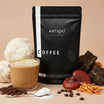
Today, Cordyceps occupies a visible space within Australia's wellness community. It is discussed in naturopathic and integrative health circles, featured in specialty food stores across cities like Sydney, Melbourne, and Brisbane, and increasingly incorporated into everyday culinary experiments. Australians use Cordyceps powder in coffee blends, smoothies, and broths, reflecting both its adaptability as a food ingredient and the country's enthusiastic appetite for exploring global food traditions.
ANTIOXI'S CORDYCEPS
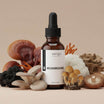
Antioxi's Cordyceps supplement is made from Cordyceps militaris fruiting bodies, carefully cultivated and processed to deliver a clean, concentrated powder in easy-to-use capsule form. Every batch is crafted with a focus on quality and purity, giving Australians a straightforward way to incorporate this fascinating functional mushroom into their daily routine.
Frequently Asked Questions
What is Cordyceps mushroom?
Cordyceps is a genus of fungi that includes Cordyceps militaris and the closely related Ophiocordyceps sinensis. Cordyceps militaris is a cultivated species known for its distinctive orange fruiting bodies and its long history of use in traditional Asian practices. It belongs to the sac fungi family and is widely used today as a food supplement.
What does Cordyceps mushroom look like?
Cordyceps militaris produces slender, club-shaped fruiting bodies that are typically orange to reddish-orange in colour, ranging from around two to eight centimetres in height. In the wild, the fungus emerges from parasitised insect pupae or larvae, giving it a highly distinctive appearance compared to typical cap-and-stem mushrooms.
How is Cordyceps mushroom traditionally used?
Cordyceps has a long history in traditional East Asian practices, particularly in Chinese, Tibetan, and Nepalese cultures, where it has been prized for centuries. Traditionally, it was used in tonic preparations and broths. Today it is commonly consumed as a powder or in capsule form as a food supplement.
Is Cordyceps mushroom available in Australia?
Yes, Cordyceps is widely available in Australia through health food stores, specialty supplement retailers, and online. The Cordyceps found in Australian products is almost always Cordyceps militaris cultivated on grain or liquid substrates rather than harvested from the wild, making it a consistent and accessible option for consumers.
How do Australians use Cordyceps mushroom in food and drinks?
Australians commonly incorporate Cordyceps powder into coffee blends, smoothies, teas, and broths. Its mild, slightly earthy flavour makes it a versatile addition to everyday drinks and recipes. It is also widely taken in capsule supplement form for those who prefer a simple, no-preparation option.
Where can I find Cordyceps mushroom extract supplements in Australia?
Antioxi is a leading supplier of premium functional mushroom extracts, trusted by customers in Australia and around the world. Our Cordyceps extract is carefully sourced and produced to the highest standards. Explore the full range of Antioxi mushroom supplements at antioxi-supplements.com.
Free Shipping Over £50
PREMIUM Customer Support
Tested, Verified & Certified
30-Day Money Back Guarantee