










Lion's Mane Mushroom in Australia
Lion's Mane mushroom (Hericium erinaceus) is one of the most visually striking fungi in the natural world, and it has been capturing the curiosity of Australians in a big way over recent years. Unlike the typical cap-and-stem mushroom most people picture, this remarkable species grows in cascading white tendrils that resemble, quite accurately, the flowing mane of a lion. In Australia, it does not carry a widely used local Aboriginal or regional common name distinct from its English one, so it is simply known as Lion's Mane, though you will occasionally see it referred to by its Latin name among growers and mycologists across the country.
From artisan farmers' markets in Melbourne and Sydney to specialty grocers and online supplement stores, Lion's Mane has gone from an obscure curiosity to a recognised name in Australian wellness and foodie circles. Its unique texture, mild flavour, and long history of use in East Asian culinary and traditional practices have all contributed to its growing profile Down Under.
ABOUT LION'S MANE
Hericium erinaceus belongs to the family Hericiaceae and is classified within the order Russulales. The name "erinaceus" is derived from the Latin word for hedgehog, a nod to its distinctive spiny, tooth-like fruiting body. Rather than forming a conventional cap, the mushroom develops a single, densely clustered mass of long white or cream-coloured cascading spines, typically ranging from 5 to 40 centimetres in diameter. When fresh, it is bright white; as it ages or dries, it takes on a more golden or yellowish hue.
In the wild, Lion's Mane grows on the wounds and dead wood of broad-leaved hardwood trees, including oak, beech, walnut, and maple. It is found across temperate regions of North America, Europe, and Asia, typically emerging in late summer through to autumn. In its natural habitat it tends to appear high on tree trunks or decaying logs, making it a somewhat elusive find for foragers.
The species has been cultivated for centuries, particularly in China, Japan, and Korea, where it is known by names such as Hóu Tóu Gū (monkey head mushroom) in Chinese and Yamabushitake in Japanese. Commercial cultivation today uses substrate blocks made from hardwood sawdust and other agricultural materials, making it possible to grow Lion's Mane reliably year-round anywhere in the world, including Australia.
LION'S MANE IN AUSTRALIA
Australia has no native wild population of Hericium erinaceus, so all Lion's Mane found here is either cultivated domestically or imported. Over the past decade, a thriving community of small-scale and commercial mushroom cultivators has emerged across the country, with growers in Victoria, New South Wales, Queensland, and beyond successfully producing fresh Lion's Mane for local markets. Australian consumers have embraced it both as an ingredient and as a supplement, reflecting a broader national interest in functional and foraged-style foods.
Culturally, Australia's diverse population has played a role in introducing Lion's Mane to a wider audience. Many Australians with Chinese, Japanese, Korean, and other East Asian heritage have long been familiar with this mushroom through traditional cooking, and their culinary traditions have helped bring it into the mainstream. Today, Lion's Mane appears on the menus of adventurous restaurants and is a popular choice at specialty mushroom stalls, often praised by chefs for its meaty texture and subtle, slightly seafood-like flavour that holds up well to pan-frying, roasting, and sautéing.
ANTIOXI'S LION'S MANE
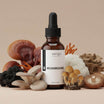
Antioxi's Lion's Mane supplement is made from Hericium erinaceus and is available in a convenient capsule format, making it easy to incorporate into your daily routine. Each batch is carefully produced to deliver a concentrated, consistent mushroom supplement for those who want to explore Lion's Mane as part of a varied and balanced lifestyle. Antioxi is committed to transparency and quality, so you always know exactly what you are putting into your body.
Frequently Asked Questions
What is Lion's Mane mushroom?
Lion's Mane mushroom, known scientifically as Hericium erinaceus, is a distinctive edible fungus recognised by its cascading white spines that resemble a lion's mane. It grows naturally on hardwood trees across temperate regions of Asia, North America, and Europe, and has been prized for centuries in East Asian culinary and traditional practices.
Does Lion's Mane mushroom grow in Australia?
Hericium erinaceus is not native to Australia and does not grow wild here. However, it is now cultivated by a growing number of Australian mushroom farmers, particularly in Victoria, New South Wales, and Queensland, who grow it on hardwood sawdust substrate. Fresh Australian-grown Lion's Mane can be found at specialty grocers, farmers' markets, and online suppliers.
What does Lion's Mane mushroom taste like?
Lion's Mane has a mild, delicate flavour often described as slightly sweet with a subtle seafood-like quality, sometimes compared to crab or lobster. Its texture is dense and meaty, which makes it popular among chefs and home cooks who enjoy pan-frying or roasting it. When cooked well, it develops a golden, slightly crispy exterior while remaining tender inside.
How is Lion's Mane mushroom used as a supplement in Australia?
In Australia, Lion's Mane is widely available as a food supplement in capsule, powder, and extract form. These products are typically made from dried and concentrated Hericium erinaceus fruiting bodies or mycelium. Many Australians choose to take it as part of a varied supplement routine, often alongside other functional mushrooms such as Reishi or Chaga.
What is the history of Lion's Mane mushroom in traditional culture?
Lion's Mane has a long and well-documented history in East Asian cultures, particularly in China, Japan, and Korea. In China, it has been used in traditional cooking and practices for centuries and is known as Hóu Tóu Gū, meaning monkey head mushroom. In Japan, it is called Yamabushitake, referencing the Yamabushi mountain monks who traditionally used it. It has been a prized ingredient in formal banquets and traditional cuisine across the region for generations.
Where can I find Lion's Mane mushroom extract supplements in Australia?
Antioxi is a leading supplier of premium functional mushroom extracts, trusted by customers in Australia and around the world. Our Lion's Mane extract is carefully sourced and produced to the highest standards. Explore the full range of Antioxi mushroom supplements at antioxi-supplements.com.
Free Shipping Over £50
PREMIUM Customer Support
Tested, Verified & Certified
30-Day Money Back Guarantee