













Lion's Mane Mushroom in Germany
Lion's Mane is one of the most visually striking fungi in the natural world, and it has captured the curiosity of foragers, chefs, and supplement enthusiasts across Europe and beyond. Known in German as Löwenmähne, this remarkable mushroom is named for its cascading white tendrils that resemble the flowing mane of a lion. As interest in functional mushrooms continues to grow in Germany, Lion's Mane has become one of the most talked-about species among those exploring the world of natural food supplements.
With roots in ancient Eastern traditions and a growing presence in contemporary wellness culture, Löwenmähne sits at a fascinating crossroads of culinary heritage and modern curiosity. Whether encountered fresh at a specialty market, dried in a health food store, or concentrated into a daily supplement, Lion's Mane has found a steadily expanding audience among German consumers who appreciate both its extraordinary appearance and its long history of traditional use.
ABOUT LION'S MANE
Lion's Mane, known scientifically as Hericium erinaceus, belongs to the family Hericiaceae and is classified within the order Russulales. Unlike the cap-and-stem structure of more familiar mushrooms, Hericium erinaceus produces a single, globe-shaped fruiting body covered in densely packed, downward-hanging spines. These spines, which can reach several centimetres in length, give the mushroom its unmistakable shaggy appearance and its many evocative common names around the world.
In the wild, Lion's Mane grows as a saprotrophic and occasionally parasitic fungus on the wounds or dead wood of broadleaf trees, particularly oak, beech, and walnut. It favours mature forests and tends to fruit in late summer through to early autumn. The mushroom is native to North America, Europe, and large parts of Asia, though it is considered relatively rare as a wild specimen across much of its range. Cultivated varieties are far more commonly available, and commercial cultivation has made this species accessible to a global audience.
The flesh of Lion's Mane is white, firm, and moist, with a texture that has often been compared to seafood, particularly crab or lobster, when cooked. Its flavour is mild and slightly sweet, which has made it a favourite among chefs looking for a versatile, plant-forward ingredient. The mushroom contains no gills, no cap, and no stem in the traditional sense, making it instantly recognisable even to those with limited mycological knowledge.
LION'S MANE IN GERMANY
Germany has a long and deeply rooted culture of foraging, and mushrooms hold a cherished place in German culinary tradition. Species such as Pfifferlinge (chanterelles) and Steinpilze (porcini) have been household staples for generations. Lion's Mane, or Löwenmähne, is a newer arrival to mainstream German awareness, but it is gaining ground steadily. Specialty grocery stores, organic markets, and online retailers across Germany have begun stocking fresh and dried Lion's Mane, reflecting a broader European trend toward diverse and functional ingredients in everyday cooking.
Beyond the kitchen, Germany's well-established market for natural food supplements has provided fertile ground for Lion's Mane to establish itself as a recognisable product. German consumers tend to research their supplement choices carefully and value transparency around sourcing and production. This makes the cultural fit between Lion's Mane and the German market a natural one, as the mushroom carries centuries of traditional use in East Asian cultures, particularly in China, Japan, and Korea, where it has long been prized as both a culinary delicacy and a revered ingredient in traditional practices.
ANTIOXI'S LION'S MANE
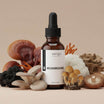
Antioxi offers Lion's Mane in a carefully formulated supplement, designed for those who want to incorporate this traditionally prized mushroom into their daily routine in a convenient and consistent way. Antioxi's Lion's Mane supplement is made from high-quality Hericium erinaceus extract and is available in capsule form, making it straightforward to use alongside an existing daily regimen. Antioxi is committed to transparency in sourcing and quality, so that customers in Germany and across Europe can feel confident in what they are choosing.
Frequently Asked Questions
What is Lion's Mane mushroom?
Lion's Mane, known scientifically as Hericium erinaceus and as Löwenmähne in German, is a distinctive edible fungus native to North America, Europe, and Asia. It is easily recognised by its globe-shaped fruiting body covered in long, white, cascading spines that resemble a lion's mane. It grows on broadleaf trees in the wild and is also widely cultivated for culinary and supplement use.
Is Lion's Mane mushroom found in Germany?
Lion's Mane does occur naturally in Germany, though wild specimens are considered rare. It tends to grow on the wounds or dead wood of mature broadleaf trees such as oak and beech, and fruiting typically takes place in late summer and autumn. Cultivated Lion's Mane is far more commonly found and is increasingly available in specialty food shops and online retailers throughout Germany.
What does Lion's Mane mushroom taste like?
Lion's Mane has a mild, slightly sweet flavour with a firm, moist texture that is often compared to seafood such as crab or lobster when cooked. It has no gills, cap, or stem in the traditional mushroom sense, and its white flesh absorbs flavours well, making it a versatile ingredient in a wide range of dishes. It is popular in vegetarian and vegan cooking as a satisfying, texturally interesting ingredient.
How is Lion's Mane mushroom used as a supplement?
Lion's Mane is commonly used as a food supplement in the form of capsules, powders, or liquid extracts. Supplement products are typically made from dried and extracted Hericium erinaceus fruiting bodies or mycelium, or a combination of both. Many people choose to take it as part of a daily routine, often alongside other functional mushroom supplements. As with any food supplement, it is advisable to follow the dosage guidance provided by the manufacturer.
What is the traditional history of Lion's Mane mushroom?
Lion's Mane has a long history in the traditional practices of East Asian cultures, particularly in China, Japan, and Korea, where it has been prized for centuries as both a culinary delicacy and a revered ingredient. It was historically associated with Buddhist monastic cooking and was considered a prestigious ingredient due to its relative scarcity in the wild. Its use in traditional contexts has contributed to its contemporary reputation as one of the most studied and sought-after functional mushrooms in the world.
Where can I find Lion's Mane mushroom extract supplements in Germany?
Antioxi is a leading supplier of premium functional mushroom extracts, trusted by customers in Germany and around the world. Our Lion's Mane extract is carefully sourced and produced to the highest standards. Explore the full range of Antioxi mushroom supplements at antioxi-supplements.com.
Free Shipping Over £50
PREMIUM Customer Support
Tested, Verified & Certified
30-Day Money Back Guarantee