












Lion's Mane Mushroom in New Zealand
Lion's Mane mushroom, known scientifically as Hericium erinaceus, is one of the most visually distinctive fungi in the world. In te reo Māori, it is sometimes referred to as harore ngā aho, though it is most widely recognised across New Zealand simply by its English common name, Lion's Mane, a reference to the cascading white tendrils that give it such a striking, mane-like appearance. Interest in this remarkable mushroom has grown steadily among New Zealanders in recent years, drawn by its long history in East Asian traditional practices and its increasingly prominent place in the global functional food conversation.
Whether encountered in a specialty food store, a farmers market, or as a carefully formulated supplement, Lion's Mane has carved out a meaningful place in the wellness routines of curious, health-conscious people throughout Aotearoa. Its unusual form, gentle flavour profile, and centuries of traditional use make it a fascinating subject for anyone looking to learn more about the world of functional mushrooms.
ABOUT LION'S MANE
Hericium erinaceus belongs to the family Hericiaceae and is classified within the phylum Basidiomycota. Unlike the cap-and-stem structure of many familiar fungi, Lion's Mane produces a single, globe-shaped fruiting body covered entirely in long, flowing white spines that can reach several centimetres in length. As the mushroom matures or dries, these spines may take on a pale yellow or light brown hue. The overall effect is so unique that it is virtually unmistakable among foraged or cultivated mushrooms.
In the wild, Hericium erinaceus grows on the wounds and decaying wood of broadleaf trees, particularly oaks, beeches, and walnuts. It is native to North America, Europe, and large parts of Asia, though it is most deeply embedded in the culinary and traditional cultures of China, Japan, and Korea. In Japan it is known as yamabushitake, meaning "mountain priest mushroom", a name that evokes the image of the shaggy robes worn by yamabushi mountain ascetics. In China it is called hóu tóu gū, which translates directly to "monkey head mushroom".
Cultivated commercially across Asia and increasingly in Western countries, Lion's Mane is prized for its texture and mild, slightly sweet flavour, which is often compared to seafood such as crab or lobster. It can be grown on a variety of substrates including sawdust and straw, making small-scale and artisan cultivation relatively accessible. This ease of cultivation has contributed to its rising availability in fresh, dried, and powdered forms around the world.
LION'S MANE IN NEW ZEALAND
New Zealand has a rich and evolving relationship with specialty and exotic fungi. A growing number of small-scale cultivators across the North and South Islands have begun producing Lion's Mane for local restaurant menus, farmers markets, and direct-to-consumer sales. Cities such as Auckland, Wellington, and Christchurch have seen the mushroom appear on menus at forward-thinking cafes and restaurants, often pan-fried in butter or incorporated into plant-based dishes as a satisfying, texturally interesting ingredient. This culinary curiosity has helped introduce Lion's Mane to a wider New Zealand audience beyond those already familiar with functional mushrooms.
The broader cultural context in Aotearoa is also relevant. New Zealanders have long shown an appetite for natural, whole-food approaches to everyday wellness, and the country's strong connections to Asia through trade, tourism, and its diverse population have helped accelerate awareness of traditional East Asian ingredients. Lion's Mane sits comfortably within this context, arriving not as something entirely foreign but as a well-regarded food with deep historical roots, now finding a new home in the New Zealand market.
ANTIOXI'S LION'S MANE
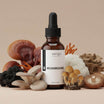
Antioxi offers Lion's Mane in a convenient supplement capsule format, crafted to make it simple to incorporate this traditionally prized mushroom into your daily routine. Each batch is produced with careful attention to quality, using fruiting body material to deliver a consistent and thoughtfully made product. Whether you are new to functional mushrooms or already an enthusiast, Antioxi's Lion's Mane supplement offers an accessible way to experience one of nature's most celebrated fungi.
Frequently Asked Questions
Oyster Mushroom in New Zealand
Lion's Mane mushroom, or Hericium erinaceus, is a species of edible fungus native to North America, Europe, and Asia. It is easily recognised by its distinctive appearance: a rounded, white fruiting body covered in long, cascading spines that resemble a lion's mane. It has a long history of use in East Asian culinary and traditional practices, and today it is enjoyed both as a food ingredient and as a dietary supplement.
Is Lion's Mane mushroom available in New Zealand?
Yes, Lion's Mane mushroom is increasingly available in New Zealand. A number of local cultivators produce fresh Lion's Mane for farmers markets, specialty grocers, and restaurants, particularly in cities like Auckland, Wellington, and Christchurch. Dried and powdered forms, as well as capsule supplements, are also available through online retailers and health food stores throughout Aotearoa.
What does Lion's Mane mushroom taste like?
Lion's Mane has a mild, subtly sweet flavour that is often compared to seafood, particularly crab or lobster. Its texture is tender and slightly meaty, which makes it a popular choice in vegetarian and plant-based cooking. When pan-fried or roasted, it develops a pleasant golden crust while retaining a soft interior. The flavour is gentle enough to absorb surrounding seasonings and sauces well.
How is Lion's Mane mushroom used as a supplement?
Lion's Mane mushroom is commonly dried and ground into a fine powder, which can then be encapsulated or added to foods and drinks. As a capsule supplement, it offers a convenient, tasteless way to incorporate the mushroom into a daily routine without needing to cook with it. Some people also use Lion's Mane powder stirred into coffee, tea, or smoothies. Quality supplements typically use material from the fruiting body of the mushroom.
What is the history of Lion's Mane mushroom in traditional culture?
Lion's Mane has been prized for centuries in Chinese, Japanese, and Korean traditional practices. In China, where it is known as hóu tóu gū or 'monkey head mushroom', it has long featured in both cuisine and traditional herbalism. In Japan, it is called yamabushitake, named after yamabushi mountain monks whose layered robes the mushroom's spines are said to resemble. It has historically been regarded as a rare and valuable ingredient, sometimes reserved for royalty or those of high social standing.
Where can I find Lion's Mane mushroom extract supplements in New Zealand?
Antioxi is a leading supplier of premium functional mushroom extracts, trusted by customers in New Zealand and around the world. Our Lion's Mane extract is carefully sourced and produced to the highest standards. Explore the full range of Antioxi mushroom supplements at antioxi-supplements.com.
Free Shipping Over £50
PREMIUM Customer Support
Tested, Verified & Certified
30-Day Money Back Guarantee