












Poria Cocos Mushroom in France | Antioxi
Poria Cocos is one of the most quietly remarkable fungi in the world of traditional mushroom culture. Known in French as le Porier des pins or sometimes simply referred to as Poria, this unusual fungus has been prized for centuries across East Asian traditions and is now drawing growing interest among wellness-minded communities in France and across Europe.
Unlike the dramatic, shelf-like mushrooms that many people picture, Poria Cocos is a subterranean sclerotium, a dense, woody mass that forms underground, often hidden from view. Its understated appearance belies a fascinating story rooted in centuries of cultural significance, and today it is increasingly found in the world of functional food supplements.
ABOUT PORIA COCOS
Poria Cocos belongs to the family Polyporaceae and is scientifically classified as Wolfiporia cocos, though it has historically been known under several synonyms including Poria cocos and Pachyma hoelen. The organism is technically a sclerotium, meaning it is a hardened mass of fungal mycelium rather than a conventional fruiting body. This dense, starchy core forms underground, typically around the roots of conifer trees, particularly pine species.
In appearance, Poria Cocos is quite unlike most familiar mushrooms. The sclerotium is roughly rounded or irregular in shape, with a thick, dark brown outer rind and a pale, chalky white interior that can resemble a dense tuber or root vegetable. Individual sclerotia can range from a few centimetres to impressively large masses weighing several kilograms.
Native to parts of East Asia, including China, Japan, and Korea, Poria Cocos grows in temperate and subtropical forest environments. It has a particularly long association with pine woodlands, where it colonises the root systems of trees. Cultivation of Poria Cocos is practised commercially in China, and the species holds a prominent place in traditional Chinese material culture, having been documented in classical Chinese texts for well over a thousand years.
PORIA COCOS IN FRANCE
In France, Poria Cocos is not a native species and does not occur naturally in French forests. However, interest in functional mushrooms has grown steadily among French consumers over recent years, driven in part by broader European curiosity about East Asian botanical and fungal traditions. Poria Cocos is increasingly referenced in French-language wellness publications and is available through specialist supplement retailers and natural food stores across the country.
France has a rich culinary mushroom culture of its own, with species such as cèpes, morilles, and chanterelles deeply embedded in French gastronomy. Poria Cocos occupies a different niche: it is not a culinary ingredient in the French tradition, but rather a food supplement ingredient valued for its long history in classical Chinese practice. As awareness of functional mushrooms expands in France, Poria Cocos is becoming a recognisable name among those exploring the wider world of mushroom-based foods and supplements.
ANTIOXI'S PORIA COCOS
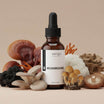
Antioxi offers Poria Cocos in a concentrated extract form, carefully prepared to deliver the qualities of this traditionally valued fungus in a convenient daily supplement. Each product is formulated with quality and transparency in mind, making it straightforward for people in France to incorporate this ancient sclerotium into a modern routine. Antioxi's Poria Cocos extract is available online and designed for those who want to explore functional mushrooms with confidence.
Frequently Asked Questions
What is Poria Cocos mushroom?
Poria Cocos, scientifically known as Wolfiporia cocos, is a fungus that forms a dense underground mass called a sclerotium rather than a conventional above-ground fruiting body. It has been a significant part of traditional East Asian culture for over a thousand years and is today used as a food supplement ingredient.
What does Poria Cocos look like?
Poria Cocos does not look like a typical mushroom. It grows as a rounded or irregular underground mass, known as a sclerotium, with a rough dark brown outer rind and a pale white chalky interior. It can vary greatly in size, sometimes resembling a large tuber or root vegetable.
What is the French name for Poria Cocos?
In French, Poria Cocos is sometimes referred to as le Porier des pins, a name that reflects its close association with pine tree root systems. It may also simply be called Poria in French-language supplement and wellness contexts, as no single widely standardised French common name has been established.
How is Poria Cocos used as a supplement?
Poria Cocos is most commonly used in supplement form as a concentrated extract, often available as capsules or powder. The sclerotium is processed to concentrate its naturally occurring compounds, and the resulting extract can be taken daily as part of a food supplement routine.
What is the traditional background of Poria Cocos in East Asian culture?
Poria Cocos has a history spanning more than a thousand years in traditional Chinese culture. It is referenced extensively in classical Chinese texts and was long regarded as a prized ingredient in traditional practice. It holds a similarly respected place in Japanese and Korean traditions, where it has been used for centuries as a valued natural material.
Where can I find Poria Cocos mushroom extract supplements in France?
Antioxi is a leading supplier of premium functional mushroom extracts, trusted by customers in France and around the world. Our Poria Cocos extract is carefully sourced and produced to the highest standards. Explore the full range of Antioxi mushroom supplements at antioxi-supplements.com.
Free Shipping Over £50
PREMIUM Customer Support
Tested, Verified & Certified
30-Day Money Back Guarantee