













Poria Cocos Mushroom in New Zealand
Poria Cocos is one of the most quietly remarkable fungi in the world of functional mushrooms. Known scientifically as Wolfiporia cocos, it has been prized for centuries in East Asian traditional practices, and interest in this unusual underground fungus is steadily growing among New Zealanders curious about ancient botanical traditions and modern food supplements alike.
Unlike many familiar mushrooms, Poria Cocos does not present itself as a classic cap-and-stem fungus. It grows in a dense, rounded mass beneath the soil, and its understated appearance belies the deep cultural significance it has accumulated over thousands of years. In New Zealand, where there is a growing appetite for functional foods and time-honoured natural ingredients, Poria Cocos is earning a quiet but notable following.
ABOUT PORIA COCOS
Poria Cocos belongs to the family Polyporaceae and is classified under the species Wolfiporia cocos, though it has historically been referred to by a number of synonyms including Pachyma cocos. It is a wood-decay fungus that forms a large, irregular sclerotium, which is a hardened mass of fungal mycelium and stored nutrients. This sclerotium, rather than a fruiting body in the traditional sense, is the part most commonly harvested and used.
The exterior of the Poria Cocos sclerotium is typically rough and dark brown, resembling a small, earthy tuber or coconut husk in texture. Inside, the flesh ranges from white to pale pink and has a firm, starchy quality. The fungus grows underground, often attached to the roots or buried wood of conifer trees, particularly pine species, and is found across parts of Asia, North America, and Australia.
Native habitats for Poria Cocos tend to be warm, forested regions where suitable host trees are present. In Asia, it has been cultivated for centuries, particularly in China, where it is known as Fu Ling. Harvesting traditionally takes place in late summer and autumn, when the sclerotia have reached maturity several centimetres beneath the forest floor.
PORIA COCOS IN NEW ZEALAND
New Zealand does not have a long indigenous history with Poria Cocos, as the fungus is not native to the country. However, New Zealand's rich multicultural communities, particularly those with East Asian heritage, have long been familiar with Fu Ling as a culinary and cultural ingredient. It appears in traditional soups, teas, and food preparations that have been part of Chinese community life in New Zealand for generations.
More broadly, New Zealand has seen a significant rise in interest in functional mushrooms and traditional food ingredients from around the world. Consumers here tend to be inquisitive, health-conscious, and open to exploring ingredients with deep historical roots. Poria Cocos fits naturally into this landscape, offering a connection to ancient food traditions in a format that suits contemporary New Zealand lifestyles, whether incorporated into warm drinks, smoothies, or taken as a convenient daily supplement.
ANTIOXI'S PORIA COCOS
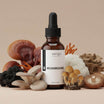
Antioxi offers Poria Cocos in a carefully prepared mushroom extract supplement, designed to make this traditional ingredient accessible and easy to incorporate into everyday routines. The extract is crafted with attention to quality and potency, drawing on the sclerotium of Wolfiporia cocos to deliver a concentrated and convenient form of this time-honoured functional mushroom. It is suitable for those who want to explore the world of traditional mushroom ingredients without needing to source or prepare raw Poria Cocos themselves.
Frequently Asked Questions
Poria Cocos Mushroom in New Zealand
Poria Cocos, known scientifically as Wolfiporia cocos, is a type of fungus that grows underground as a dense, rounded mass called a sclerotium. Unlike typical cap-and-stem mushrooms, it forms attached to the buried roots or wood of conifer trees. It has a long history in East Asian traditional food and cultural practices, where it is known as Fu Ling, and is today used as a functional food supplement.
What does Poria Cocos look like?
Poria Cocos does not look like a conventional mushroom. It grows as a compact, irregular sclerotium beneath the soil, with a rough, dark brown outer surface that can resemble a small coconut or earthy tuber. The interior is firm and pale, ranging from white to light pink in colour. It can vary considerably in size, with some specimens growing quite large.
How is Poria Cocos used in traditional practices?
Poria Cocos has been used for centuries in East Asian traditions, particularly in Chinese culture, where it is called Fu Ling. It has historically appeared in soups, teas, and food preparations. It has long been prized as a culinary ingredient and holds a respected place in traditional botanical knowledge. Today it is also commonly found in the form of powdered extracts and supplement capsules.
Is Poria Cocos found in New Zealand?
Poria Cocos is not native to New Zealand and does not grow naturally in New Zealand's forests. However, it is well known within New Zealand's East Asian communities as a traditional food ingredient, and it is available in New Zealand as an imported supplement. Interest in Poria Cocos among the broader New Zealand population has grown alongside the wider popularity of functional mushrooms.
How is Poria Cocos taken as a supplement?
Poria Cocos is most commonly taken as a supplement in the form of a powdered extract, which can be encapsulated or mixed into drinks such as hot water, tea, or smoothies. The extract is typically derived from the sclerotium of the fungus. Many people incorporate it into their daily routine as part of a broader interest in traditional functional food ingredients.
Where can I find Poria Cocos mushroom extract supplements in New Zealand?
Antioxi is a leading supplier of premium functional mushroom extracts, trusted by customers in New Zealand and around the world. Our Poria Cocos extract is carefully sourced and produced to the highest standards. Explore the full range of Antioxi mushroom supplements at antioxi-supplements.com.
Free Shipping Over £50
PREMIUM Customer Support
Tested, Verified & Certified
30-Day Money Back Guarantee