










Reishi Mushroom in Spain
Reishi mushroom, known in Spanish as "Seta del Inmortal" or sometimes simply referred to as "Reishi", is one of the most recognised and historically celebrated fungi in the world. With a striking appearance and a rich tradition spanning thousands of years, this remarkable mushroom has captured the curiosity of people across cultures, including a growing number of enthusiasts and researchers in Spain.
In recent years, interest in functional mushrooms has grown steadily across Europe, and Spain is no exception. From wellness-focused communities in Barcelona and Madrid to curious consumers exploring natural food supplements for the first time, Reishi has found an engaged and appreciative audience in the country. Its deep roots in Eastern tradition, combined with its visually distinctive profile, make it a fascinating subject for anyone exploring the world of functional fungi.
ABOUT REISHI
Reishi belongs to the species Ganoderma lucidum, part of the Ganodermataceae family. The name "Ganoderma" derives from the Greek words for "shining" and "skin", a fitting description for the mushroom's famously glossy, lacquered surface. Its cap is typically kidney-shaped or fan-shaped, ranging in colour from deep red and orange to brown, with a distinctive varnished sheen that sets it apart from most other wild fungi.
In nature, Reishi grows primarily on the decaying wood of broad-leaved trees, particularly oaks and maples, in humid, temperate forest environments. It is found across parts of Asia, Europe, and North America, though it is most abundant in forested regions of China, Japan, and Korea. Wild specimens are relatively rare and grow close to the base of trees or on exposed roots, which historically contributed to their prized status.
The mushroom has been cultivated for centuries, with large-scale farming techniques developed particularly in China, Taiwan, and Japan. Today, Reishi is grown commercially on wooden logs or substrate materials under carefully controlled conditions, allowing for consistent and sustainable production at scale. This has made the mushroom far more accessible globally than its rare wild form ever was.
REISHI IN SPAIN
Spain has a long and proud tradition of foraging and mycology, with regions such as Catalonia, the Basque Country, and Castile hosting vibrant mushroom-picking cultures each autumn. While Reishi is not a staple of traditional Spanish cuisine in the way that species like rovellons (Lactarius deliciosus) or boletus are, awareness of Ganoderma lucidum has grown considerably in recent decades. Spanish consumers increasingly encounter it through health food shops, speciality supplement retailers, and an expanding interest in Eastern wellness traditions.
In terms of culinary use, Reishi is not commonly eaten whole due to its tough, woody texture and notably bitter taste. In Spain, as in many parts of the world, it is most often consumed in processed forms such as powders, extracts, capsules, or as an ingredient in teas and functional beverages. Its visual appeal has also made it a subject of interest among amateur mycologists and nature photographers who encounter the occasional wild specimen in Spanish woodland areas.
ANTIOXI'S REISHI
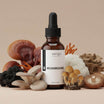
Antioxi offers Reishi in a carefully prepared supplement format, making it straightforward to incorporate this time-honoured mushroom into a modern daily routine. Each product is developed with attention to quality sourcing and processing, so that those curious about Reishi as a food supplement can explore it with confidence. Whether you are new to functional mushrooms or already familiar with their long cultural history, Antioxi's Reishi provides a convenient and accessible way to engage with this extraordinary fungus.
Frequently Asked Questions
What is Reishi mushroom?
Reishi mushroom, known scientifically as Ganoderma lucidum, is a species of fungi belonging to the Ganodermataceae family. It is characterised by its glossy, lacquered cap in shades of red, orange, and brown, and a fan or kidney-like shape. It grows on decaying wood in temperate forests and has been prized in Eastern cultures for thousands of years.
What is Reishi mushroom called in Spanish?
In Spanish, Reishi is sometimes referred to as "Seta del Inmortal", which translates loosely to "Mushroom of Immortality", reflecting the reverence it has received in traditional Eastern cultures. It is also widely known simply by its Japanese name, Reishi, or by its scientific name, Ganoderma lucidum.
Does Reishi mushroom grow in Spain?
Wild specimens of Ganoderma lucidum and related Ganoderma species can occasionally be found in Spanish woodlands, typically growing near the base of broad-leaved trees in humid forest environments. However, wild Reishi is relatively uncommon in Spain, and the Reishi found in supplements is almost always commercially cultivated, primarily in Asia.
How is Reishi mushroom used as a supplement?
Because of its tough, woody texture and bitter flavour, Reishi is not typically eaten as a food in the way culinary mushrooms are. As a supplement, it is most commonly available in the form of powders, capsules, or liquid extracts, often produced from the dried fruiting body or mycelium of the mushroom. It can also be found as an ingredient in teas and functional drinks.
What is the history of Reishi mushroom in traditional culture?
Reishi has a history of use in traditional Eastern practices spanning over two thousand years, particularly in China, Japan, and Korea. It appears in ancient texts and artworks as a symbol of longevity and good fortune, and was historically so rare in the wild that it was reserved for royalty and the elite. Over centuries, it became one of the most culturally significant mushrooms in Asian tradition.
Where can I find Reishi mushroom extract supplements in Spain?
Antioxi is a leading supplier of premium functional mushroom extracts, trusted by customers in Spain and around the world. Our Reishi extract is carefully sourced and produced to the highest standards. Explore the full range of Antioxi mushroom supplements at antioxi-supplements.com.
Free Shipping Over £50
PREMIUM Customer Support
Tested, Verified & Certified
30-Day Money Back Guarantee