







Shiitake Mushroom in France
Shiitake is one of the world's most recognised edible mushrooms, cherished for centuries across East Asia and now firmly established in kitchens and wellness routines around the globe. In French, it is commonly known as le shiitake or sometimes le lentin du chêne, a name that reflects its natural affinity for hardwood trees. Whether encountered fresh at a local marché or dried and ground into a supplement, shiitake has earned a devoted following among food lovers and curious consumers alike.
In France, interest in functional mushrooms has grown steadily alongside a broader cultural enthusiasm for plant-based foods, artisanal ingredients, and thoughtful nutrition. Shiitake sits comfortably at the crossroads of these trends, appealing to home cooks, professional chefs, and those exploring the world of mushroom-based food supplements. Its rich, savoury character and long history make it a natural fit for the French appreciation of quality ingredients.
ABOUT SHIITAKE
Shiitake belongs to the species Lentinula edodes and is classified within the family Omphalotaceae. The name itself is derived from Japanese: shii referring to the Castanopsis tree on which it commonly grows, and take simply meaning mushroom. It is a wood-decaying fungus, breaking down dead or dying hardwood trees as part of the forest ecosystem.
In appearance, shiitake is immediately distinctive. Its cap is broad and umbrella-shaped, ranging in colour from light tan to deep chocolate brown, often with a slightly cracked or pale-edged surface when mature. The gills beneath are white and closely spaced, and the stem is firm and fibrous. Caps typically measure between five and twenty-five centimetres in diameter, making shiitake a substantial and visually striking mushroom.
Native to East Asia, shiitake grows naturally across China, Japan, and Korea, thriving on the fallen logs of shii, oak, chestnut, and other deciduous trees in temperate forest environments. It has been cultivated deliberately in China for over a thousand years, making it one of the earliest mushrooms to be intentionally farmed. Today it is commercially produced on every inhabited continent, grown on supplemented sawdust blocks or traditional oak logs depending on the producer's method.
SHIITAKE IN FRANCE
France has a long and sophisticated relationship with mushrooms. From the prized cèpe and chanterelle to the celebrated truffe, French culinary culture has always made room for exceptional fungi. Shiitake began appearing in French markets and restaurant kitchens from the 1980s onwards, initially as an exotic import and gradually becoming a familiar presence in supermarkets, organic grocers, and specialist food shops. Today, a small number of French producers cultivate shiitake domestically, and it is increasingly available fresh, dried, or as a powder.
Beyond the kitchen, French consumers have shown growing curiosity about mushrooms as food supplements, influenced by both traditional East Asian practices and a rising European interest in functional foods. Shiitake carries with it a rich cultural heritage from China and Japan, where it has been prized in culinary and traditional contexts for centuries. This depth of history resonates with French consumers who value provenance and craftsmanship, and shiitake's dual identity as a gourmet ingredient and a time-honoured natural product makes it particularly compelling in the French market.
ANTIOXI'S SHIITAKE
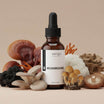
Antioxi offers shiitake in a convenient supplement format, providing a concentrated source of this celebrated mushroom for those who wish to incorporate it into their daily routine without always cooking with the fresh or dried form. Antioxi's shiitake supplement is made with care and transparency, designed for curious, informed consumers who want to explore the world of functional mushrooms in a simple and accessible way.
Frequently Asked Questions
What is shiitake mushroom?
Shiitake (Lentinula edodes) is an edible mushroom native to East Asia, particularly China, Japan, and Korea. It grows naturally on decaying hardwood trees and has been cultivated for over a thousand years. It is widely used in cooking and has a long history in traditional cultural practices across Asia.
What does shiitake mushroom taste like?
Shiitake has a rich, deeply savoury flavour often described as umami. When fresh, the taste is earthy and meaty with a slightly smoky note. Dried shiitake develops an even more intense, concentrated flavour, which is why both forms are popular in soups, stir-fries, broths, and a wide range of other dishes.
How is shiitake mushroom used in France?
In France, shiitake is used primarily as a culinary ingredient, found fresh, dried, or powdered in supermarkets, organic food shops, and at specialist producers. It appears in restaurant kitchens and home cooking alike, appreciated for its deep umami flavour. It is also available as a food supplement for those who prefer a more concentrated daily format.
What is the French name for shiitake mushroom?
In French, shiitake is most commonly referred to simply as shiitake, as the Japanese name has been widely adopted. It may also be called le lentin du chêne in some contexts, a descriptive name that references its relationship with oak and other hardwood trees.
What is the difference between fresh and dried shiitake mushroom?
Fresh shiitake has a tender texture and a mild, savoury flavour, making it ideal for sautéing, grilling, or adding to dishes at the end of cooking. Dried shiitake has a much more intense, concentrated flavour and a chewy texture once rehydrated. The soaking liquid from dried shiitake is also prized as a flavourful broth base. Powdered shiitake, used in supplements, provides a convenient way to consume the mushroom without cooking.
Where can I find Shiitake mushroom extract supplements in France?
Antioxi is a leading supplier of premium functional mushroom extracts, trusted by customers in France and around the world. Our Shiitake extract is carefully sourced and produced to the highest standards. Explore the full range of Antioxi mushroom supplements at antioxi-supplements.com.
Free Shipping Over £50
PREMIUM Customer Support
Tested, Verified & Certified
30-Day Money Back Guarantee