















Turkey Tail Mushroom in Spain
Turkey Tail is one of the most recognisable mushrooms in the world, celebrated for its striking fan-shaped fruiting bodies and vivid concentric bands of colour. In Spanish, it is commonly known as cola de pavo, a name that perfectly captures its resemblance to the fanned tail feathers of a turkey. Across Europe and beyond, this mushroom has attracted the curiosity of foragers, naturalists, and wellness enthusiasts for centuries, and Spain is no exception.
As interest in functional mushrooms continues to grow across the Iberian Peninsula, cola de pavo has earned a place in the conversation around traditional botanicals and natural food supplements. Whether encountered on a woodland walk through the Pyrenees or discovered through a growing online community of mushroom enthusiasts, Turkey Tail is a fascinating species with a rich story rooted in nature and tradition.
ABOUT TURKEY TAIL
Turkey Tail belongs to the family Polyporaceae and carries the scientific name Trametes versicolor, with versicolor meaning "of many colours" in Latin. It is a polypore fungus, meaning it produces spores through tiny pores on its underside rather than through gills. The fruiting body grows in thin, leathery, overlapping brackets or rosettes, typically ranging from three to ten centimetres across. Its upper surface displays concentric zones of brown, tan, rust, cream, and sometimes blue-grey or greenish tones, depending on age and environment.
This mushroom is saprotrophic, meaning it breaks down dead and decaying wood, particularly hardwoods such as oak, beech, and birch. It is found across temperate forests throughout Europe, Asia, and North America, making it one of the most widespread fungi on the planet. It grows year-round and is especially prolific in autumn and winter, appearing on fallen logs, stumps, and branches in dense, overlapping clusters.
Turkey Tail has a long and well-documented history in traditional practices across East Asia, particularly in China and Japan, where it has been prized for centuries. In Japan it is known as kawaritake, meaning "cloud mushroom", and in China as yun zhi. Its use in these cultures stretches back hundreds of years, and it remains one of the most studied mushrooms in the world today.
TURKEY TAIL IN SPAIN
Spain's diverse landscape, from the humid forests of Galicia and the Basque Country to the oak woodlands of Extremadura and the mixed forests of Catalonia, provides ideal habitat for Trametes versicolor. The mushroom is a familiar sight to Spanish foragers and hikers, often found decorating the sides of fallen oaks and chestnuts in autumn. Foraging culture in Spain, known as micología, has a strong tradition particularly in the north, and Turkey Tail is frequently documented in regional field guides and mycological society records.
While cola de pavo has not historically featured in Spanish cuisine in the same way as culinary favourites such as boletus or chanterelles, awareness of it as a functional food and supplement ingredient has grown steadily in recent years. Spanish consumers are increasingly exploring the broader world of functional mushrooms, driven by a wider European interest in natural food ingredients with traditional roots. Turkey Tail is now a recognised name within this growing community, appreciated for its history and its place in the natural world.
ANTIOXI'S TURKEY TAIL
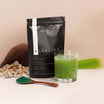
Antioxi offers Turkey Tail as a carefully prepared supplement, using fruiting body extract to preserve the full character of this remarkable mushroom. Available through the Antioxi app, the supplement is designed for those who want to incorporate the tradition and depth of Turkey Tail into their daily routine in a convenient and consistent format. Every batch is produced with attention to quality, so you can enjoy cola de pavo as nature intended, in a modern form that fits your lifestyle.
→ Download the Antioxi app: Apple App Store | Google Play
Frequently Asked Questions
What is Turkey Tail mushroom?
Turkey Tail, known scientifically as Trametes versicolor, is a polypore fungus that grows on dead and decaying wood across temperate forests worldwide. It is named for its fan-shaped, multi-coloured fruiting bodies that resemble the tail feathers of a turkey. In Spanish it is commonly called cola de pavo. It has a long history in traditional practices, particularly in East Asia, and is one of the most widely studied mushrooms in the world.
Where does Turkey Tail mushroom grow in Spain?
Turkey Tail mushroom grows throughout Spain in temperate and mixed woodland areas. It is particularly common in the humid forests of Galicia, the Basque Country, Catalonia, and the oak and chestnut woodlands of Extremadura and Castile. It grows on fallen logs, stumps, and decaying branches, and can be found year-round, with peak growth in autumn and winter.
What does Turkey Tail mushroom look like?
Turkey Tail has thin, leathery, fan-shaped fruiting bodies that grow in overlapping brackets or rosettes. The upper surface features concentric rings of colour including shades of brown, tan, rust, cream, and sometimes blue-grey or green. The underside is pale and covered in tiny pores. It typically measures between three and ten centimetres across and is considered one of the most visually distinctive mushrooms found in European forests.
How is Turkey Tail mushroom used as a supplement?How is Turkey Tail mushroom used as a supplement?
Turkey Tail is commonly prepared as a powdered extract from the fruiting body of the mushroom and consumed as a food supplement. It can be taken in capsule form or as a powder added to drinks and foods. Antioxi offers Turkey Tail extract through its app-based supplement service, making it easy to incorporate into a daily routine. As with any food supplement, it is intended to complement a varied and balanced diet.
What is the history of Turkey Tail mushroom in traditional culture?
Turkey Tail has been prized for centuries in traditional practices across East Asia, most notably in China and Japan. In Japan it is known as kawaritake or cloud mushroom, and in China as yun zhi. Records of its use in these cultures date back hundreds of years. In Europe, it has long been familiar to foragers and naturalists, and in Spain it is a well-known species within the country's active mycological community.
Where can I find Turkey Tail mushroom extract supplements in Spain?
Antioxi is a leading supplier of premium functional mushroom extracts, trusted by customers in Spain and around the world. Our Turkey Tail supplement is available exclusively through the Antioxi app, downloadable on the Apple App Store and Google Play.
Free Shipping Over £50
PREMIUM Customer Support
Tested, Verified & Certified
30-Day Money Back Guarantee