










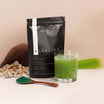





Featured Snippet: What Are the Benefits of Bovine Collagen Supplements?
Bovine collagen supplements provide collagen peptides that support the structure of skin, joints, bones, hair, and nails. Human studies suggest benefits may include improved skin hydration and elasticity, better joint comfort during movement, and support for bone strength over time. Results are gradual and typically appear with consistent daily use over weeks to months.
Collagen is one of the body’s main structural proteins, think of it as part of the framework that helps keep skin firm, joints resilient, and connective tissues supported. As natural collagen production gradually declines with age, many people explore collagen peptides as a simple long-term support tool.
If you’re using collagen, consistency matters more than “mega doses.”
This guide explains what bovine collagen is, how it’s absorbed, what the human research suggests it may help with, and how to choose a high-quality supplement.
Table of Contents
- Why collagen matters as we age
- What is bovine collagen?
- How bovine collagen is absorbed
- The main benefits of bovine collagen
- Tip on using bovine collagen
- Who might consider bovine collagen?
- What bovine collagen is not
- How to choose a quality bovine collagen supplement
- Frequently Asked Questions
- References
Why It Matters
Collagen changes are subtle at first, but over time they can influence how skin holds moisture, how joints feel during activity, and how well bones maintain structure. Bovine collagen peptides are studied as a way to support the body’s natural framework, gradually.
Why Collagen Matters as We Age
Collagen is a protein your body uses to help “hold everything together.” It plays a role in keeping skin firm, joints flexible, bones strong, and tissues supported.
From around your mid-20s, the body begins to produce less collagen year by year. This change is gradual, but over time it can affect how skin feels, how joints respond to activity, and how well bones maintain strength.
What Is Bovine Collagen?
Bovine collagen comes from cows and is commonly used in supplements. It primarily contains Type I and Type III collagen, which are major collagen types found in human skin, bones, and connective tissue.
Most supplements use hydrolysed collagen (also called collagen peptides). Hydrolysis breaks collagen into smaller peptides that dissolve more easily, digest more easily, and are absorbed more readily.
How Bovine Collagen Is Absorbed
Collagen peptides are studied a bit differently from typical dietary proteins. Research suggests collagen peptides can be absorbed as small bioactive peptides (not only as individual amino acids).
These peptides can appear in the bloodstream within 1–2 hours after intake and may help signal collagen-producing cells.
In practice: collagen peptides are generally used for structural support over time, not for an immediate “feel it today” effect.
The Main Benefits of Bovine Collagen Supplements
(Based on human research)
1) Bovine Collagen for Skin hydration and elasticity
Skin support • 6–12 weeks
The deeper layer of skin contains a large amount of collagen. As collagen declines with age, skin can lose moisture and elasticity.
Human studies suggest collagen peptides may support hydration, elasticity, and the appearance of fine lines over time, typically after consistent daily use for several weeks.
2) Bovine Collagen for Joint comfort and everyday movement
Movement support • Months of consistency
Joints rely on collagen-containing tissues to handle movement and impact.
Studies in athletes and active adults have linked collagen supplementation with improved comfort during movement, less discomfort during activity, and better tolerance to repeated exercise, most often with daily use over multiple months.
3) Bovine Collagen for Bone strength and structure
Long-term support • Best with a full routine
Bones contain a collagen framework that helps provide shape and strength. Longer-term studies in postmenopausal women have associated collagen peptide supplementation with improvements in bone mineral density and bone turnover markers.
Collagen is best considered one part of a broader routine that also includes calcium, vitamin D, and weight-bearing movement.
Add Bovine Collagen to Your Routine
With a Clean, Tested Supplement
Type I & III collagen • Hydrolysed peptides • Joint & Bone support

If you’re choosing a bovine collagen supplement, prioritise hydrolysed collagen peptides, transparent sourcing, and third-party testing. A consistent daily routine is typically used in studies evaluating joints, bones and recovery outcomes.
4) Bovine Collagen for Muscle support and body composition
Training support • Older adults
Collagen isn’t a complete protein, but it supports the connective tissues that surround muscles.
In older adults doing resistance training, collagen use has been linked with improved strength, increased lean mass, and reduced fat mass, especially when combined with consistent training.
5) Bovine Collagen for Hair and nail strength
Appearance support • 12–24 weeks
Hair and nails are mainly made from keratin, which relies on amino acids found in collagen.
Studies suggest collagen supplements may support nail growth and reduce breakage, with changes often reported over 12–24 weeks, reinforcing that consistency tends to matter more than high doses.
6) Digestive comfort (early research)
Emerging area • Individual results vary
The gut lining includes connective tissue and collagen. Early human research suggests collagen peptides may support gut structure and digestive comfort, with some studies reporting reduced bloating and improved tolerance in healthy adults. This area is still developing and outcomes can vary.
Tips On Using Bovine Collagen
Tip: Set realistic expectations
Collagen is typically studied for gradual structural support. Most reported benefits show up after weeks to months of daily use.
If you want faster visible changes, collagen is unlikely to feel “instant”, think of it as a steady, long-game supplement.
Tip: Pair with a supportive routine
Collagen can complement (but not replace) foundational habits like protein-rich foods, strength training, and nutrients such as vitamin C, calcium, and vitamin D, depending on your goal (skin, joints, bones, or training performance).
Who Might Consider Bovine Collagen?
Bovine collagen is often explored by adults who:
- Notice changes in skin firmness or hydration
- Experience joint discomfort linked to activity
- Want to support bones as they age
- Prefer non-marine collagen sources
It’s best viewed as long-term support rather than a quick solution.
What Bovine Collagen Is Not
To keep expectations realistic:
- It is not a fast fix
- It does not replace protein-rich foods
- It does not treat or cure health conditions
Important note: If you’re pregnant, breastfeeding, managing a medical condition, or taking medication, it’s best to check with us and a qualified healthcare professional before adding any new supplement.
Still Unsure? Take Our Wellness Quiz to find what you're looking for
How to Choose a Quality Bovine Collagen Supplement
When choosing a collagen supplement, clarity matters. Look for evidence of quality and transparency so it’s easier to stick with a routine consistently.
What to look for (quick checklist)
- Hydrolysed collagen peptides (easy mixing, easier digestion)
- Clear sourcing information (where it comes from)
- Third-party testing (quality and contaminant checks)
- Neutral taste + easy mixing (helps consistency)
- Clearly stated daily serving (so you can follow a routine)
Typical study ranges
Human studies commonly use 2.5 g to 10 g per day, depending on the outcome being studied (for example, skin support vs. joint comfort).
Many people choose a daily dose they can realistically maintain. Speak to our team for assistance or advice
Frequently Asked Questions
1. What does bovine collagen actually support in the body?
Bovine collagen helps support the structure of skin, joints, bones, hair, nails, and connective tissue by providing collagen peptides the body can use as building blocks.
2. How long does it take to notice benefits from collagen?
Most human studies observe changes after 6 to 12 weeks of daily use, depending on the area being supported, such as skin, joints, or bones.
3. Is bovine collagen better than marine collagen?
Bovine collagen is rich in Type I and Type III collagen, which are the main types found in human skin and bones. Marine collagen is different, but not necessarily better, the choice often depends on preference and goals.
4. How much bovine collagen do people usually take?
Human studies commonly use 2.5 g to 10 g per day, depending on the benefit being studied, such as skin support or joint comfort.
5. Does collagen work right away?
No. Collagen is not a quick fix. It supports gradual, long-term structural changes and works best when taken consistently over time.
6. Can collagen replace protein, calcium, or vitamin D?
No. Collagen does not replace protein or minerals. It works alongside a balanced diet and nutrients like calcium and vitamin D.
7. Is bovine collagen safe for daily use?
Research and regulatory assessments support daily use when collagen is sourced and tested to meet safety standards.
8. Do I need vitamin C with collagen?
Vitamin C helps the body make collagen and is often taken alongside collagen supplements, though collagen can still be taken on its own.
9. Who is bovine collagen most suitable for?
It is often used by adults who want to support skin firmness, joint comfort, bone structure, or overall connective tissue health as part of a long-term routine.
10. What should I look for in a quality bovine collagen supplement?
Look for hydrolysed collagen peptides, clear sourcing, third-party testing, easy mixing, and a clearly stated daily serving size.
References
- The Effects of Type I Collagen Hydrolysate Supplementation on Bones, Muscles and Joints - orthopedicreviews.openmedicalpublishing.org
- Collagen Peptide Supplementation and Resistance Training in Elderly Men - pmc.ncbi.nlm.nih.gov
- Enzymatic Hydrolysis for the Production of Collagen Peptides - bio-cats.files.svdcdn.com (PDF)
- How Enzymes Enhance Collagen Functionality - biocatalysts.com
- Absorption of Bioactive Collagen Peptides in Humans - frontiersin.org
- Effects of Hydrolysed Collagen on Skin Aging – Systematic Review - pubmed.ncbi.nlm.nih.gov
- Evaluation of Hydrolyzed Collagen for Skin Moisturization and Wrinkles - pmc.ncbi.nlm.nih.gov
- Role of Collagen Derivatives in Osteoarthritis and Cartilage Repair - pmc.ncbi.nlm.nih.gov
- 24-Week Study on Collagen Hydrolysate in Athletes with Joint Pain - pubmed.ncbi.nlm.nih.gov
- Specific Bioactive Collagen Peptides in Osteopenia and Osteoporosis - pmc.ncbi.nlm.nih.gov
- Collagen Peptides and Hair Growth – Clinical Results - mdhair.co
- Effect of Daily Collagen Peptide Supplement on Digestive Symptoms - pmc.ncbi.nlm.nih.gov
Continue Exploring
Dive deeper into mushroom supplements for menopause wisdom with our expert blogs and FAQs, and shop Antioxi’s premium blends and extracts crafted for maximum safety & potency.


Leave a comment
All comments are moderated before being published.
This site is protected by hCaptcha and the hCaptcha Privacy Policy and Terms of Service apply.