










Featured Snippet: Are oyster mushroom supplements proven to kill parasites?
Oyster mushroom has shown antiparasitic effects in lab studies, especially against some worms and protozoa. But there are no human trials showing it treats parasitic infections in people. The most realistic takeaway is gut and immune support, not parasite treatment.
Pleurotus ostreatus, better known as oyster mushroom, is one of the most interesting edible mushrooms in research. In nature, it can paralyze and digest tiny worms called nematodes. That is why it often comes up in conversations about natural antiparasitic compounds.
If oyster mushroom can kill nematodes in nature, what does that really mean for human health?
This article keeps the original research focus, but makes it easier to follow. We will look at how oyster mushroom affects parasites in the lab, what happens in animal studies, which compounds matter most, and where the evidence stops.
One important note before we begin: oyster mushroom supplements are not proven treatments for human parasitic infection. If you think you may have a parasite, proper testing and medical care come first.
Table of Contents
Why It Matters
Parasitic infections still affect a huge number of people worldwide, and drug resistance is a growing concern in some areas. That is why researchers keep looking at natural compounds with antiparasitic potential. Oyster mushroom stands out because it is both edible and naturally predatory toward nematodes.
The Global Burden of Parasites & the Search for Natural Solutions
Parasitic infections are still a major global health problem. Intestinal roundworms alone affect huge numbers of people, and resistance to common antiparasitic drugs remains a challenge in both human and veterinary care.
At the same time, interest in medicinal mushrooms has grown. Oyster mushroom gets special attention because it offers nutritional value, immune-supportive compounds, and a very unusual ability to prey on nematodes in nature.
The key is to separate what is clearly established from what is still uncertain. That means keeping lab findings, animal studies, and human relevance in their proper place.
| At a Glance | What the Original Article Highlighted |
|---|---|
| Global burden | Parasitic infections affect more than 1 billion people worldwide. |
| In vitro worm data | P. ostreatus aqueous extract showed 100% larval hatching inhibition at 2.24 mg/mL against H. contortus in one lab study. |
| Protozoa data | Ergosterol peroxide showed an IC50 of 6.74 μg/mL against Trypanosoma cruzi in vitro. |
| Key mechanism paper | A 2023 Science Advances study identified 3-octanone as the paralysis-inducing compound. |
Important framing: The science here is genuinely interesting, but it does not show that oyster mushroom treats human parasitic infection. Most of the evidence comes from lab work or animal models. Supplements may support gut and immune health, but they are not a replacement for diagnosis or treatment.
Why Is Oyster Mushroom Studied for Parasites?
One of the most striking things about oyster mushroom is that it is genuinely carnivorous in nature. It can capture, paralyze, and digest nematodes to pull in extra nitrogen from its environment.
This is different from fungi that trap worms with sticky nets or rings. P. ostreatus also uses chemistry. In simple terms, it can shut nematodes down before it fully digests them.
Researchers have known for decades that oyster mushroom can paralyze nematodes. But the exact chemical trigger was not clear until a 2023 study identified the main compound involved.
Why this matters for health research: If a mushroom naturally makes compounds that disable parasitic organisms, those compounds become interesting leads for future medicine research. That still does not mean eating the mushroom will have the same effect inside the human body.
How Does Oyster Mushroom Kill Nematodes?
Researchers have described at least three ways oyster mushroom can disable nematodes. These mechanisms help explain why the mushroom is so interesting in research, even though supplement use and parasite treatment are very different questions.
| Mechanism | What Happens | Why It Matters |
|---|---|---|
| 3-octanone from toxocysts | Specialized structures on the fungal hyphae release 3-octanone, a volatile ketone that rapidly paralyzes nematodes. | This is the best-known modern explanation for the fast paralysis effect described in the 2023 Science Advances paper. |
| Linoleic acid peroxide | A second toxin can damage the front part of the nematode body and cause visible shrinkage of the head region. | This suggests oyster mushroom uses more than one defensive or predatory pathway. |
| Entanglement and enzymatic digestion | Hyphae can trap and penetrate nematodes, then digest them with enzymes such as proteases and chitinases. | This shows the process is not only chemical. Physical capture and digestion matter too. |
2023 breakthrough: A key study screened around 12,000 mutated oyster mushroom clones and found that the non-toxic ones lacked toxocysts. Chemical analysis then pointed to 3-octanone as the main paralysis-causing compound. In other words, researchers finally matched the fast nematode paralysis effect to a specific molecule.
Earlier supporting work: A 2008 study identified linoleic acid peroxide as another nematode-damaging toxin made by P. ostreatus. Put together, the research suggests oyster mushroom did not evolve just one antiparasitic tool. It seems to use several.
Oyster Mushroom Research on Parasitic Worms
Researchers have tested oyster mushroom extracts against parasitic worms that matter in veterinary and agricultural settings. One of the main targets is Haemonchus contortus, a blood-feeding worm known for serious drug-resistance problems.
| Study | Extract or Method | Main Finding | Evidence Level |
|---|---|---|---|
| de Matos et al. (2020) | Aqueous extract of P. ostreatus | Showed 100% larval hatching inhibition at 2.24 mg/mL and strong larval migration inhibition in vitro, but no significant effect in a gerbil model. | In vitro plus animal model |
| Edith et al. (2023) | Protein hydrolysates from P. ostreatus | Reported in vitro antiparasitic activity against H. contortus larvae, suggesting protein-based fractions may also matter. | In vitro |
| Comparative Pleurotus study (2022) | Aqueous extracts of P. florida, P. ostreatus, and P. djamor | P. ostreatus inhibited egg hatching by 55.46% at 10% concentration, while P. florida showed the strongest activity overall. | In vitro comparative |
The most important reality check: The de Matos study is valuable because it reported both the promise and the limit. Oyster mushroom worked very well in the lab, but that result did not carry over into the animal model. That gap matters when people try to jump from “interesting research” to “proven supplement use.”
Oyster Mushroom and Protozoan Parasites
Oyster mushroom research is not limited to worms. Some studies have also looked at protozoan parasites, including organisms linked to Chagas disease, leishmaniasis, and coccidiosis.
The best-known compound here is ergosterol peroxide, a natural sterol found in oyster mushroom.
| Parasite | Study | Compound or Extract | Main Finding |
|---|---|---|---|
| Trypanosoma cruzi | Ramos-Ligonio et al. (2012) | Ergosterol peroxide | Reported an IC50 of 6.74 μg/mL against the intracellular form of the parasite, with no mammalian cell toxicity at much higher concentrations. |
| Leishmania major | Ramezani et al. (2017) | Alcoholic extract of P. ostreatus | Showed in vitro antileishmanial activity and signs of apoptosis induction in the parasite. |
| Eimeria species | Khalid & Arshad (2015) | Hot-water and methanolic extracts | Broilers receiving the extracts showed better protection against coccidiosis, lower oocyst counts, and stronger immune responses. |
Why the selectivity result matters: In the T. cruzi study, ergosterol peroxide affected the parasite at much lower concentrations than the ones that harmed mammalian cells. That is encouraging for early drug-discovery research. It is still not the same as proving a safe, effective supplement for people.
Oyster Mushroom, Beta-Glucans, and Gut Immune Support
For everyday supplementation, the most relevant part of this topic is probably not direct parasite killing. It is the indirect effect oyster mushroom may have on the gut microbiome and the immune system.
Oyster mushroom contains beta-glucans, often called pleuran in this context, as well as chitin and other non-digestible compounds. These can act like prebiotics, helping beneficial gut microbes grow and supporting a healthier gut environment.
This matters because the gut is where many parasites live, where the body first detects them, and where the immune system and microbiome work most closely together.
How beta-glucans may support parasite defence
A 2022 mouse study found that beta-glucan intake increased Akkermansia muciniphila through TLR2 signaling, which helped the animals expel intestinal helminths. That is not the same as direct killing. It is an indirect, microbiome-linked immune effect.
Immune activation
Beta-glucans are well known for interacting with receptors such as Dectin-1 and TLR2. This can help activate macrophages, natural killer cells, and T-cells, all of which play a role in how the body responds to infection.
Gut barrier and microbiome support
A healthier, more balanced gut microbiome is linked to better resistance against invading organisms, including parasites. This is one of the more realistic ways oyster mushroom may support overall resilience.
Plain-language takeaway: The strongest human-use angle is not “oyster mushroom kills parasites in the gut.” It is that oyster mushroom may help support the gut and immune environment that helps the body respond to infection.
Active Antiparasitic Compounds in Oyster Mushroom
Oyster mushroom contains several compound groups that may contribute to antiparasitic effects in different ways. Some look directly active against parasites in the lab, while others seem to support immune or microbiome pathways.
| Compound | Class | Main Role | Evidence Source |
|---|---|---|---|
| 3-octanone | Volatile ketone | Rapid nematode paralysis through membrane disruption and calcium-related damage. | Hsueh et al., 2023 |
| Linoleic acid peroxide | Fatty acid peroxide | Damages nematodes and causes shrinkage of the head region. | Satou et al., 2008 |
| Ergosterol peroxide | Steroidal compound | Strong in vitro activity against T. cruzi; also relevant to broader protozoan research. | Ramos-Ligonio et al., 2012 |
| Beta-glucans (pleuran) | Polysaccharide | Supports gut immunity, immune signaling, and microbiome-linked helminth expulsion. | Jin et al., 2022; Törős et al., 2023 |
| Proteases and chitinases | Enzymes | Help digest nematode bodies and eggs after trapping or contact. | Multiple studies |
| Lectins and pore-forming proteins | Bioactive proteins | Part of the wider antimicrobial and predatory chemistry of the mushroom. | Later comparative and mechanistic studies |
What We Know and What We Still Don’t Know
This is the most important div to read carefully. Some claims about oyster mushroom are well supported. Others are still early, indirect, or not proven in humans.
| Claim | Evidence Strength | What That Really Means |
|---|---|---|
| P. ostreatus kills nematodes in nature | Strong | This is well established and supported by multiple mechanisms, including the 2023 3-octanone paper. |
| P. ostreatus extracts are nematocidal in vitro | Strong | Several studies show clear activity in controlled lab settings. |
| Ergosterol peroxide has antiprotozoal activity in vitro | Strong in vitro | Promising for research, but still preclinical. |
| Oyster mushroom protects against coccidiosis | Moderate | Supported by animal work, not by human clinical trials. |
| Beta-glucans support helminth expulsion | Moderate in animals | Mechanistically interesting, but human translation is still unclear. |
| Oyster mushroom works as an oral anthelmintic in living organisms | Early or inconclusive | The key animal model did not confirm the strong lab effect. |
| Oyster mushroom treats human parasitic infection | Not established | There are no human clinical trials proving this use. |
| Oyster mushroom supports gut and immune defence | Moderate to strong | This is the most realistic and practical interpretation for supplement use. |
The main translational gap: A compound can work in soil, a petri dish, or a lab assay and still fail as an oral supplement. It may break down during digestion, never reach the right tissue, or fail to meet the parasite at an effective concentration. That is why human trials matter so much.
Is Oyster Mushroom a Good Supplement for Parasite Support?
If we stay close to the evidence, oyster mushroom makes the most sense as a support mushroom. The strongest use cases are gut support, immune support, and complementary use alongside standard care, never as a substitute for treatment.
Gut microbiome support
Prebiotic fibres • Beta-glucans • Gut resilience
Beta-glucans and other non-digestible compounds in oyster mushroom may help support beneficial gut bacteria and a healthier gut environment. That can support overall gut resilience.
Immune system support
Dectin-1 • TLR2 • Innate immunity
Oyster mushroom beta-glucans are known for interacting with immune receptors that help activate macrophages, natural killer cells, and other parts of the innate immune response.
Complementary support
Recovery • Gut repair • Practical context
For some people, oyster mushroom may fit best into a broader routine that supports gut recovery and general resilience during or after conventional treatment. It should never replace prescribed antiparasitic care.
What to look for in an oyster mushroom supplement
Verified beta-glucan content
Beta-glucans are the main immune-active compounds. Independent lab testing matters more than marketing language. The original article highlighted Antioxi’s oyster mushroom extract as Eurofins-verified at at least 40% beta-D-glucan.
Fruiting body extract
Fruiting body products generally give you more of the actual mushroom material. Mycelium grown on grain can contain more starch and less concentrated mushroom content.
Published lab reports
Certificates of Analysis from named labs such as Eurofins, Alkemist, or Helix help verify potency and safety. Public testing is a strong trust signal.
Organic certification
Mushrooms can absorb contaminants from their environment, so organic certification and contaminant testing matter for quality control.
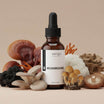
Antioxi Oyster Mushroom Extract
Organic certified • Fruiting body extract • Published COAs
If you are choosing oyster mushroom for everyday gut and immune support, quality matters. 3rd party tested at at least 40% beta-D-glucan, and available in powder, capsule, and tincture formats.
Frequently Asked Questions
Quick answers based on the research covered above.
Human Use
Can oyster mushroom kill parasites in humans?
There is no direct human clinical evidence that oyster mushroom kills intestinal parasites in people. Most of the evidence comes from lab studies, and one important animal study did not show the same effect in a living model. The most realistic use is support for gut and immune health, not parasite treatment.
Is oyster mushroom safe to take alongside antiparasitic medication?
Oyster mushroom is generally used as a food-grade supplement, and there are no clearly established interactions with common antiparasitic medicines in the published literature. Even so, anyone being treated for a parasitic infection should tell their doctor or pharmacist about all supplements they use.
How It Works
How does oyster mushroom kill nematodes?
Pleurotus ostreatus uses at least three documented mechanisms. It releases 3-octanone from toxocysts, which quickly paralyzes nematodes. It can also produce linoleic acid peroxide, and its hyphae can trap and digest the worm with enzymes such as proteases and chitinases.
What is ergosterol peroxide and why does it matter for parasites?
Ergosterol peroxide is a natural sterol found in oyster mushroom. In lab research, it showed strong activity against Trypanosoma cruzi, the parasite linked to Chagas disease. That makes it interesting for future drug research, but it is not a proven human treatment.
Evidence & Context
Do oyster mushroom beta-glucans help against intestinal parasites?
Possibly, but the mechanism looks indirect. Beta-glucans may support the gut microbiome and activate immune pathways that help the body clear some helminths. Human research for this exact use is still limited.
Which Pleurotus species has the strongest antiparasitic activity?
Different Pleurotus species seem to vary in strength. A 2022 comparison found P. florida had stronger egg-hatching inhibition than P. ostreatus and P. djamor in one test. Even so, P. ostreatus remains the best-studied species overall.
References
- Al-Rashidi HS, El-Wakil ES. Parasites and Microbiota: Dual Interactions and Therapeutic Perspectives. Microorganisms . 2024;12(10):2076. doi:10.3390/microorganisms12102076 . PMC11510500.
- Törős GH, et al. Modulation of the Gut Microbiota with Prebiotics and Antimicrobial Agents from Pleurotus ostreatus Mushroom. Nutrients . 2023. PMC10217589.
- de Matos AFIM, Greesler LT, Giacometi M, Barasuol BM, de Vasconcelos FRC, Stainki DR, Monteiro SG. Nematocidal Effect of Oyster Culinary-Medicinal Mushroom Pleurotus ostreatus (Agaricomycetes) against Haemonchus contortus. Int J Med Mushrooms . 2020;22(11):1089–1098. doi:10.1615/IntJMedMushrooms.2020036364 . PMID:33426840.
- Ramos-Ligonio A, López-Monteon A, Trigos Á. Trypanocidal activity of ergosterol peroxide from Pleurotus ostreatus. Phytotherapy Research . 2012;26(6):938–943. doi:10.1002/ptr.3653 . PMID:22083593.
- Hsueh Y-P, et al. A carnivorous mushroom paralyzes and kills nematodes via a volatile ketone. Science Advances . 2023;9(4):eade4809. doi:10.1126/sciadv.ade4809 . PMID:36652525.
- Törős GH, et al. Modulation of the Gut Microbiota with Prebiotics and Antimicrobial Agents from Pleurotus ostreatus Mushroom. Nutrients . 2023;15(10):2321. doi:10.3390/nu15102321 . PMC10217589.
- Jin X, Liu Y, Wang J, et al. β-Glucan-Triggered Akkermansia muciniphila Expansion Facilitates the Expulsion of Intestinal Helminth via TLR2 in Mice. Carbohydrate Polymers . 2022;275:118719. doi:10.1016/j.carbpol.2021.118719 .
- Satou T, Kaneko K, Ikeda Y, Koike K. The toxin produced by Pleurotus ostreatus reduces the head size of nematodes. Biological and Pharmaceutical Bulletin . 2008;31(3):574–576. doi:10.1248/bpb.31.574 . PMID:18379043.
- Wille L, et al. Pleurotus ostreatus is a potential biological control agent of root-knot nematodes in eggplant (Solanum melongena). Frontiers in Agronomy . 2024. doi:10.3389/fagro.2024.1464111 .
- Berne S, et al. Trait Variation between Two Wild Specimens of Pleurotus ostreatus and Their Progeny in the Context of Usefulness in Nematode Control. Agriculture . 2022;12(11):1819. doi:10.3390/agriculture12111819 .
- Khalid AR, Arshad MA. Immunomodulating and Antiprotozoal Effects of Different Extracts of the Oyster Culinary-Medicinal Mushroom Pleurotus ostreatus (Higher Basidiomycetes) Against Coccidiosis in Broiler. Int J Med Mushrooms . 2015;17(5):433–441. PMID:25954914.
- Ramezani P, Hejazi SH, Narimani M, Soleimanifard S. In vitro antileishmanial activity and apoptosis induction of Pleurotus ostreatus alcoholic extract on Leishmania major. Res J Pharmacognosy . 2017;4(3):51–58.



Leave a comment
All comments are moderated before being published.
This site is protected by hCaptcha and the hCaptcha Privacy Policy and Terms of Service apply.