


Are mushroom supplements safe for cats?
Mushroom supplements may be safe for cats when they are formulated specifically for pets, use hot-water extracted fruiting bodies, are free from fillers and alcohol, and are introduced under veterinary guidance. Cats should never consume raw or culinary mushrooms.
Medicinal mushrooms are increasingly explored in feline wellness for immune, cognitive, and metabolic support. When properly extracted certain mushrooms may complement conventional care for cats.
Why it matters?
Cats metabolise compounds differently from dogs and humans. This makes formulation quality, dosage accuracy, and professional oversight essential when considering any supplement.What are the Top 5 Functional Mushrooms for Cats?
Not all functional mushroom supplements are equal for cats. The mushrooms below are the most commonly referencedfor their potential to support immune balance, cognitive health, metabolic function, and overall wellbeing in cats when properly extracted, correctly dosed, and used under veterinary guidance.
Reishi (Ganoderma lucidum)
Immune balance & stress resilience

Reishi is an adaptogenic mushroom commonly used in integrative veterinary care. It is valued for immune modulation, antioxidant activity, and support during chronic stress or age-related decline.
- Immune modulation: Supports balanced immune responses in cats by influencing macrophage and T-cell activity without overstimulation.
- Stress and adrenal support: Adaptogenic compounds may help cats cope with chronic stress, environmental changes, and ageing.
-
Antioxidant protection: Provides triterpenes and polysaccharides that help reduce oxidative stress associated with inflammation and ageing.
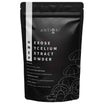
Turkey Tail (Trametes versicolor)
Immune & gut microbiome support

Turkey Tail contains beta-glucans and polysaccharides studied for immune regulation. In cats, it is typically used as part of veterinary-guided wellness or recovery protocols.
- Immune modulation: Supports balanced immune responses in cats by influencing macrophage and T-cell activity without overstimulation.
- Stress and adrenal support: Adaptogenic compounds may help cats cope with chronic stress, environmental changes, and ageing.
-
Antioxidant protection: Provides triterpenes and polysaccharides that help reduce oxidative stress associated with inflammation and ageing.
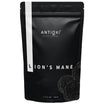
Lion’s Mane (Hericium erinaceus)
Cognitive & nervous system support

Lion’s Mane is associated with nerve growth factor (NGF) pathways and is often considered for senior cats or those showing age-related behavioural changes.
- Nervous system support: Contains hericenones and erinacines associated with nerve growth factor (NGF) pathways.
- Cognitive ageing support: May benefit senior cats experiencing age-related cognitive or behavioural changes.
-
Gut-brain connection: Supports gastrointestinal integrity, which is closely linked to neurological health in cats.
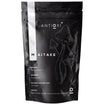
Shiitake (Lentinula edodes)
Antioxidant & immune support

Shiitake provides bioactive compounds such as lentinan and antioxidants. For cats, it is usually included in low concentrations within blended formulations.
- Antioxidant defence: Provides compounds that help neutralise free radicals and support cellular health.
- Immune activation support: Contains lentinan, a beta-glucan studied for immune signalling activity.
-
Low-dose blend compatibility: Typically included in feline formulations at controlled levels to support immune balance.
Maitake (Grifola frondosa)
Metabolic & immune regulation

Maitake is studied for its role in metabolic balance and immune activity. It may be considered in structured feline wellness plans under veterinary supervision.
- Metabolic regulation: Studied for its role in supporting glucose and lipid metabolism under veterinary supervision.
- Immune responsiveness: Beta-glucans may help enhance immune readiness without excessive stimulation.
-
Age-related wellness: Often considered for senior cats needing combined immune and metabolic support.
How Are Medicinal Mushrooms Given to Cats?
| Form | Typical Use for Cats | Administration Notes |
|---|---|---|
| Capsules (opened) | Measured micro-doses mixed into food | Capsule shell discarded; powder blended into wet food |
| Powdered Extract | Preferred for precise weight-based dosing | Start with very small amounts; increase gradually under vet guidance |
Safety Considerations for Cats
Use Extracts Only
Cats should never consume whole or raw mushrooms. Functional benefits come from controlled extraction of specific compounds. If it is third-party tested, even better.
Start Low, Go Slow
Vets and experts typically recommend starting with low doses and monitoring tolerance before gradual increases.
Work With Your Vet
Mushrooms may interact with medications or underlying conditions. So keep your vet in the loop. Professional oversight is essential.
Key Takeaways
- Medicinal mushrooms may support feline wellness when used responsibly
- Quality, extraction method, and dosing are critical
- Always consult a veterinarian before supplementing your cat
Frequently Asked Questions
Are medicinal mushrooms safe for cats?
Medicinal mushrooms may be safe for cats when they are formulated specifically for pets, properly extracted (hot-water extraction), free from alcohol and fillers, and used under guidance. Cats should never eat raw, wild, or culinary mushrooms.
What are the best medicinal mushrooms for cats?
The most commonly referenced medicinal mushrooms for cats include Reishi, Turkey Tail, Lion’s Mane, Maitake, and Shiitake. These are selected for immune, cognitive, and metabolic support when used in pet-specific formulations.
Are mushrooms good for cats?
Mushrooms are not inherently good or bad for cats. Only certain medicinal mushroom extracts may offer benefits, while raw or culinary mushrooms can be toxic. Safety depends entirely on formulation, extraction method, and dosage.
Can cats have Lion’s Mane mushroom?
Cats may be given Lion’s Mane only in a properly extracted supplement designed for pets. Lion’s Mane is studied for its potential cognitive and nervous system support, especially in senior cats, but should never be fed raw.
What is Reishi mushroom used for in cats?
Reishi is commonly used in integrative veterinary care for immune balance, stress modulation, and antioxidant support. It is often considered for cats experiencing chronic stress or age-related immune changes.
Is Reishi mushroom safe for cats with anxiety?
Reishi is sometimes explored for its calming and adaptogenic properties, but cats with anxiety should only use it under veterinary supervision to ensure appropriate dosing and avoid interactions.
Is Turkey Tail mushroom safe for cats?
Turkey Tail mushroom may be safe for cats when used as a pet-specific extract and introduced gradually under veterinary guidance. It is widely studied for immune and gut microbiome support.
What are the benefits of Turkey Tail for cats?
Turkey Tail contains beta-glucans and polysaccharides that may support immune regulation, gut health, and overall resilience in cats when used as part of a supervised wellness plan.
Can Turkey Tail mushrooms help cats with cancer?
Turkey Tail is sometimes included in integrative oncology support plans due to its immune-modulating compounds. It should never replace conventional cancer treatment and must be used under veterinary guidance.
Can cats have mushroom powder?
Cats may have mushroom powder only if it is a refined extract designed for pets and properly dosed. Raw mushroom powder or culinary mushroom blends are not safe for cats. Always ensure the powder is mixed thoroughly into wet food, as dry powder can be a choking hazard or irritant if inhaled by a cat.
Are mushroom extracts better than whole mushrooms for cats?
Yes. Mushroom extracts concentrate beneficial compounds while removing indigestible material. Whole mushrooms are unsafe for cats, while extracts allow for controlled dosing and improved bioavailability.
Can cats eat Shiitake mushrooms?
No. Cats should not eat whole or cooked Shiitake mushrooms. Only low-dose, extracted Shiitake included in pet-specific formulations may be considered under veterinary supervision.
Do mushroom supplements interact with medications in cats?
Yes, some medicinal mushrooms may interact with immune-modulating or metabolic medications. Always consult a veterinarian and supplement provider before introducing mushroom supplements to cats on medication.
References
- Ikeda, Y. et al. Oral Administration of Agaricus blazei Murill Extract Suppresses Tumour Growth and Metastasis. International Journal of Cancer.
- Kidd, P.M. The Use of Mushroom Glucans and Proteoglycans in Cancer Treatment. Alternative Medicine Review.
- Ooi, V.E.C. & Liu, F. Immunomodulation and Anti-Cancer Activity of Polysaccharide-Protein Complexes. Current Medicinal Chemistry.
- Vetvicka, V. & Yvin, J.C. Effects of Mushroom β-Glucans on Immune Function. Journal of Nutrition.
- Wasser, S.P. Medicinal Mushroom Science: History, Current Status, Future Trends. International Journal of Medicinal Mushrooms.
- Sullivan, R. et al. Use of Integrative Therapies in Veterinary Oncology. Veterinary Clinics of North America.
- Brown, D.C. Integrative Veterinary Medicine and Nutraceutical Support. Journal of the American Veterinary Medical Association.
- National Center for Complementary and Integrative Health (NCCIH). Medicinal Mushrooms: What the Science Says.
- Smith, J.E. et al. Fungal Polysaccharides as Biological Response Modifiers. Applied Microbiology and Biotechnology.
- Zhou, X. et al. Ganoderma lucidum Polysaccharides and Immune Regulation. Journal of Ethnopharmacology.
- Vetvicka, V. & Vetvickova, J. β-Glucans as Immunomodulators in Veterinary Medicine. Frontiers in Veterinary Science.
- Mao, G. et al. Immunoregulatory Activity of Polysaccharides from Trametes versicolor. International Journal of Biological Macromolecules.
- Hobbs, C. Medicinal Mushrooms: Traditional Use, Modern Science, and Veterinary Applications. HerbalGram, American Botanical Council.
- Lindequist, U., Niedermeyer, T.H.J. & Jülich, W.D. The Pharmacological Potential of Mushrooms. Evidence-Based Complementary and Alternative Medicine.
- Vitaud, C. et al. Use of Immunomodulatory Supplements in Companion Animal Oncology. Journal of Small Animal Practice.
Continue Exploring
Dive deeper into mushroom supplements for menopause wisdom with our expert blogs and FAQs, and shop Antioxi’s premium blends and extracts crafted for maximum safety & potency.



Leave a comment
All comments are moderated before being published.
This site is protected by hCaptcha and the hCaptcha Privacy Policy and Terms of Service apply.